Sinharaja Rainforest Guide, Sri Lanka
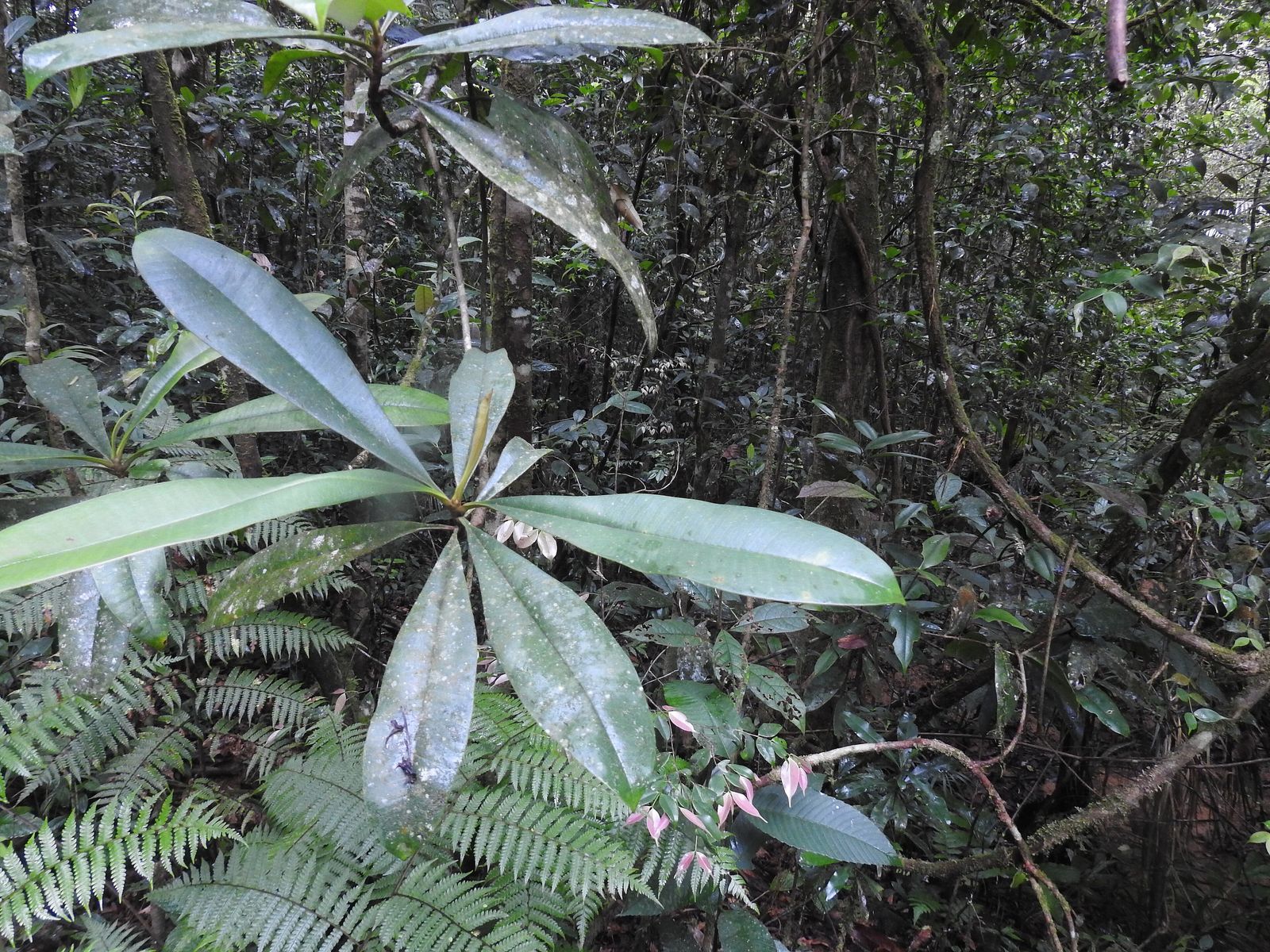
Sri Lanka lost most of its lowland rainforest to tea, rubber and rice over the last two centuries. Sinharaja is what's left of it: a block of primary forest in the southwest wet zone, protected as a UNESCO World Heritage Site since 1988, and still the best place in the country to hear a mixed flock of birds move through the canopy at first light. It is not an easy day out. There's no paved loop road, no visitor center with air conditioning, no guarantee you'll see anything more than leeches and leaf litter if you go about it wrong. Go about it right and you get one of the most biologically dense forests in South Asia, on foot, with a local guide who knows exactly which tree the frogmouth is roosting in.
What Sinharaja is, and why it's worth the detour
Sinharaja sits in the southwest lowlands of Sri Lanka, straddling the Sabaragamuwa and Southern provinces, roughly 130 km southeast of Colombo and about 125 km from Galle. The core reserve covers around 8,864 hectares, with an adjoining buffer that brings the full protected area closer to 11,000 hectares, rising from about 300 to 1,170 meters. UNESCO listed it as a World Heritage Site in 1988 and folded in an extension in 1992, but the forest had already been managed as a reserve since the colonial era, which is a large part of why it's still standing while so much of the surrounding wet zone was cleared for tea and rubber.
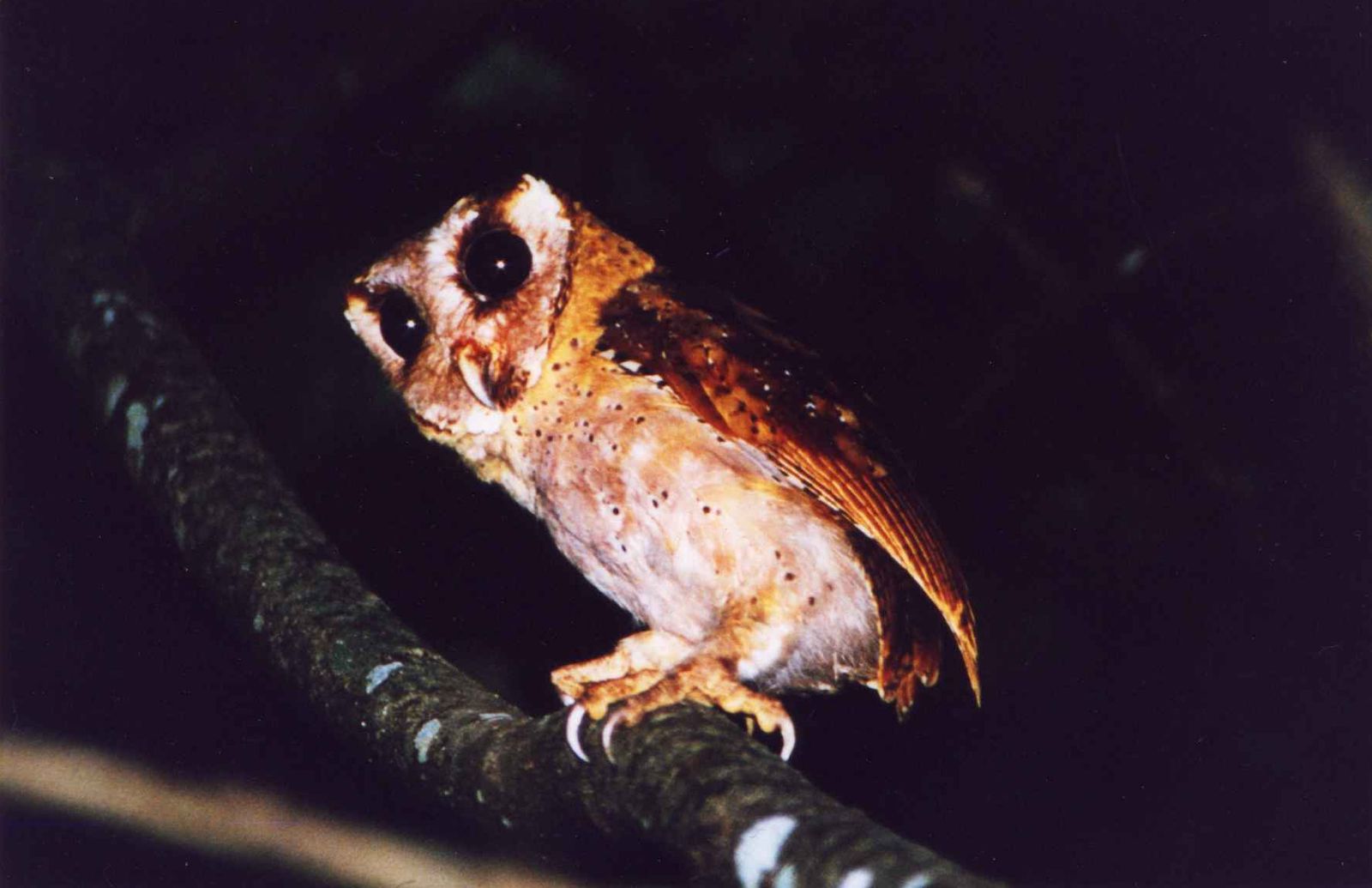
What makes Sinharaja worth the mud and the leeches is what's still inside it: more than 60% of the trees are endemic to Sri Lanka, and the reserve holds over half the country's endemic mammal and butterfly species. For birders it's the headline destination on the island. Of Sri Lanka's 26 endemic birds, the 20 that belong to the rainforest all turn up here, including species you won't find anywhere else on the trip: the red-faced malkoha, the green-billed coucal, the Sri Lanka blue magpie, the Sri Lanka frogmouth. Sinharaja is also known among ornithologists for its mixed-species bird flocks, loose associations of a dozen or more species moving through the understory and canopy together, hunting the insects each other flushes out. Standing under one of those flocks as it passes overhead is the reason serious birders build an entire Sri Lanka itinerary around this one forest.
None of that is staged for visitors. Sinharaja is a working conservation area with a small resident population of forest-edge villages, not a park built around a gift shop. That's the appeal and the catch in the same sentence: you get real primary rainforest, and you get the logistics of real primary rainforest, which means fixed entrances, compulsory local guides and trails that turn to soup after rain.
Getting there
There's no train to Sinharaja and no direct highway either, so however you arrive, you're finishing the trip on smaller roads. From Colombo, the standard route runs south to Ratnapura, then on toward the western entrances at Kudawa; the drive is around 130 km and typically takes three and a half to four hours by car once you're off the expressway, longer by public transport. Self-driving is possible but most visitors either hire a car and driver for the day or arrange transport through their lodge, which is the easier call given how narrow and unsigned the final approach roads get.
By public transport, the classic route to the Kudawa side is a bus from Colombo to Ratnapura, a second bus on to Kalawana, and then a tuk-tuk for the last stretch to the entrance at Kudawa or Weddagala. It works, and it's the budget option, but build in a full travel day and don't plan to arrive after dark; the final roads aren't lit and tuk-tuk drivers thin out once the sun goes down.
If you're coming from Galle or the south coast, the approach is via Neluwa and Deniyaya, roughly 125 km, again on secondary roads that switch between decent tarmac and potholed sections through tea and rubber estates. This route lands you at the Deniyaya (southeast) entrance rather than Kudawa, which changes which trails are practical for you, more on that below. A private driver from Galle can usually get you there in a similar window to the Colombo run, and it's a scenic drive through hill country and tea land either way.
Good to know
Whichever direction you're coming from, confirm with your lodge or guide which entrance you're actually headed to before you book transport. Kudawa, Pitadeniya and Deniyaya are on different sides of the same reserve and are not connected by a road that runs through the forest, so picking the wrong one can add hours to your day.
Combining Sinharaja with the rest of a Sri Lanka trip
Very few travelers fly in just for Sinharaja, and the routing works in your favor either way. Coming from Colombo, it slots naturally into a loop that continues south to Galle and the coast, or inland toward hill country and the kind of rainforest travel that pairs well with tea-country stops like Ella. Coming from the south, Sinharaja works as a forest interlude between Galle and the dry-zone parks further east, Udawalawe and Yala, so you get rainforest, coast and savanna wildlife in the same trip without much backtracking. Ride-hailing apps like PickMe and Uber cover Colombo and the main coastal towns reliably, but neither reaches the forest entrances themselves, so budget for a dedicated driver or your lodge's transfer for the final leg regardless of how you got to the region.
Picking an entrance: Kudawa, Pitadeniya or Deniyaya
Sinharaja has three main entrances, and which one you use decides your trails, your drive, and largely your lodging.
Kudawa (Weddagala) entrance
This is the most-used gateway, on the western side of the reserve, about 30 km from Ratnapura. It's the entrance most tour operators default to, it has the densest cluster of guesthouses and homestays around it, and it's where you pick up the Moulawella Trail, a half-day out-and-back of roughly 3 to 4 km each way with about 200 m of elevation gain to the Moulawella peak viewpoint. It's also the trailhead for the longer Sinhagala Trail, a full-day push into the core zone that's genuinely demanding and worth doing only if you're fit and have a full day to spare.
Pitadeniya entrance
Slightly north of Kudawa and considered one of the more accessible points into the reserve, Pitadeniya is the gateway to Duvili Ella waterfall and a good pick if you want a shorter, waterfall-focused walk rather than a peak-bagging trek. Several homestays cluster around this entrance too, and most of them run their own guided treks, from an hour or two of nature walking up to full-day hikes and night walks for nocturnal wildlife.
Deniyaya (southeast) entrance
This is the entrance for visitors coming from Galle and the south coast, and it tends to be quieter than Kudawa simply because fewer Colombo-based tours default to it. It's also the side where you'll find The Rainforest Ecolodge, right on the forest's southwest fringe near Enselwatte. Trails here run through a mix of old tea land and forest edge before you're properly inside the reserve.
Whichever entrance you use, a local guide is compulsory, not optional. This isn't a National Trust park where a ranger politely suggests you not go off-trail; the guide system is a genuine conservation mechanism that also functions as a livelihood scheme for the surrounding villages, and it's credited with meaningfully reducing illegal logging and poaching pressure over the decades since it was set up. Pay the entrance fee, pay the guide, and you're contributing directly to why the forest is still here.
The guide system isn't a formality. It's the reason there's still forest here to guide you through.
Where to stay
Sinharaja doesn't have hotel chains at its doorstep, and that's the point. Lodging is a scattering of homestays, small eco-lodges and a handful of more built-up options, almost all run by families from the villages that border the reserve. Staying close to whichever entrance you're using saves you a punishing pre-dawn transfer on the days you actually want to be in the forest by 6 a.m., which, for birding, you do.
On the Deniyaya side, The Rainforest Ecolodge is the polished option: chalets built partly from repurposed shipping containers, sited on former tea land right on Sinharaja's southwest fringe, run by Aitken Spence Hotels. It was one of the earlier eco-lodges in Sri Lanka to actually deliver on the label rather than just borrow the word, and each unit has a private terrace looking out over forest and old tea. It's not a budget stay, but you're paying for the doorstep as much as the room.
Also close to the reserve is Natural Mystic Sanctuary, whose two-room Forest Villa is the off-grid option: solar power, its own water source, and a loft slung over the jungle that sleeps up to six, which makes it a sensible pick if you're traveling with a group rather than a couple. Around Pitadeniya and Kudawa you'll find a wider spread of smaller family-run homestays, most of them arranging their own guides and treks directly, which can be the simplest way to book if you'd rather not go through a separate tour operator.
The full, currently vetted list of Sri Lanka jungle stays, including everything close to Sinharaja, is on the JungleBnB Sri Lanka page. We list what's actually bookable and skip the places that only look good in photos.
Booking tips
Book your guide at the same time as your room wherever possible; most homestays and lodges near Sinharaja either employ registered guides directly or have a working relationship with one nearby, and sorting it in advance means you're not negotiating at the entrance gate at 5:30 a.m. Ask specifically whether your lodge arranges the entrance permit too, since some smaller homestays expect you to handle that yourself at the ticket office. And if birding is the actual point of your visit rather than a nice-to-have, say so when you book; a guide who knows you want the malkoha and the frogmouth, not just a general nature walk, will plan the route and the pace differently.
What to do inside the reserve
Birding, early and slow
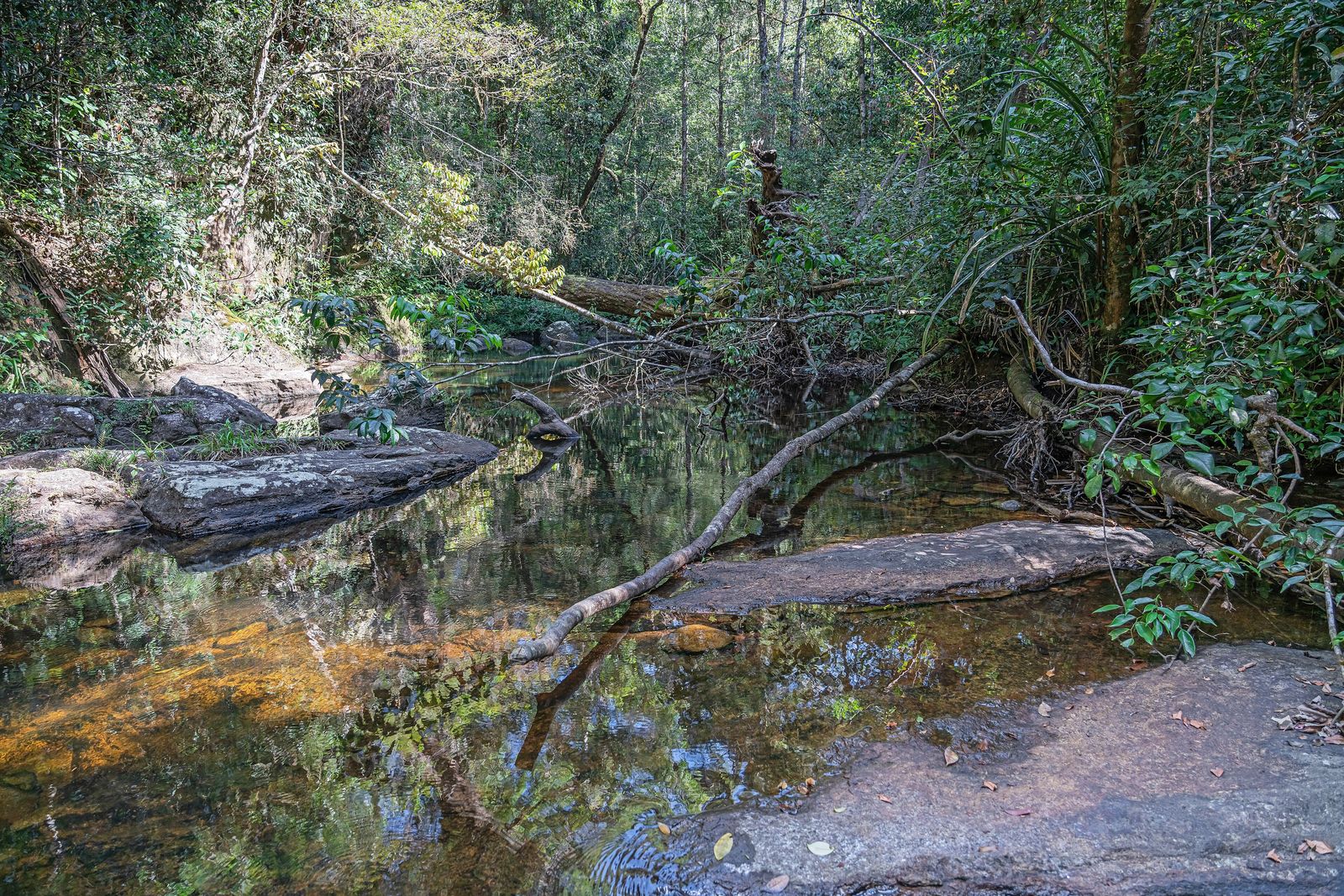
Birding is the main event, and the routine is the same regardless of which entrance you use: be at the trailhead as close to first light as your lodge can manage, because activity peaks roughly between 6:30 and 10 a.m. and drops off hard once the day heats up. Your guide will be listening more than looking, and you should follow their lead rather than your own pace; the birds that make the trip worthwhile, the frogmouths, the malkohas, the Sri Lanka blue magpie, are not going to announce themselves to someone marching down the trail.
Moulawella Trail and viewpoint
From Kudawa, the half-day Moulawella walk is the trail most visitors do: a moderate 3 to 4 km climb through good forest to a viewpoint with a view back over the canopy toward the reserve's interior. It's demanding enough to feel like a proper hike without requiring the full-day commitment of the Sinhagala route.
Sinhagala and the core zone
For a longer, harder push into the reserve's interior, the Sinhagala Trail from Kudawa is a full-day trek that most operators only offer to fit, prepared hikers. It's the way to see more of the forest's structure and less of the other visitors, but it's not a casual add-on to a half-day itinerary.
Waterfalls: Duvili Ella and Martin's Falls
If you're entering from Pitadeniya, Duvili Ella waterfall is a shorter, family-friendly target that gives you a payoff without the full Sinhagala commitment. Martin's Falls, further into the core zone from the Kudawa side, is usually folded into the longer, full-day route rather than done as a stand-alone walk.
Frogs, insects and the after-dark forest
Sinharaja's reptile and amphibian diversity is a quieter draw than the birds but no less real; several homestays around Pitadeniya run short night walks specifically to look for nocturnal frogs and insects, which is a good option on a second evening once you've done the classic dawn bird walk.
What a morning walk actually looks like
Most first-time visitors picture something like a nature-center boardwalk. It isn't that. You'll meet your guide at the entrance in the half-dark, sign in, and start walking on a packed-earth trail that's usually wet regardless of season. For the first twenty minutes or so it can feel quiet, just insect noise and dripping leaves, and then your guide will stop, go still, and point at something you'd have walked straight past: a frogmouth pressed flat against a branch, pretending to be a broken stump, or the first birds of a mixed flock arriving overhead. From there the pace is stop-and-go rather than steady hiking, following the flock's movement for ten or fifteen minutes at a stretch before it moves on and the forest goes quiet again. Bring more patience than stamina; the walking itself is rarely difficult, but the birding rewards people willing to stand still.
Photography
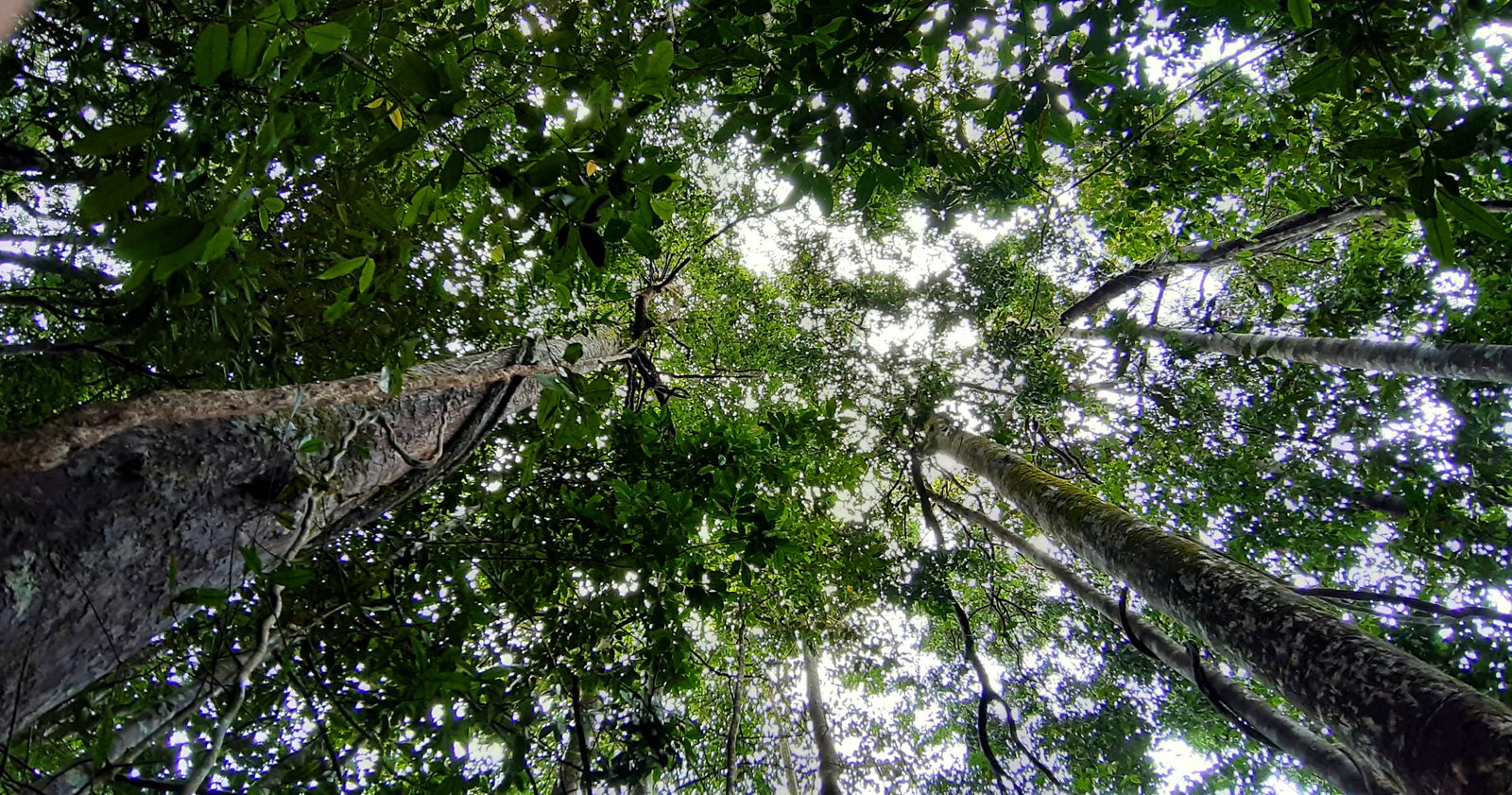
Low canopy light and constant movement make Sinharaja a genuinely hard place to photograph birds well; a fast lens and a guide who'll hold position for you matter more than an expensive camera body. For everyone else, the more reliable photos are the forest itself, buttressed roots, epiphyte-covered trunks, the view from Moulawella, and those are best shot in the first hour of light before the humidity haze builds up.
Best day trips from Sinharaja
Sinharaja rewards staying put for a night or two rather than treating it as a drive-through stop, but if you've built in an extra day, a few nearby options make sense depending on which entrance you're based near.
- Ratnapura. Sri Lanka's gem-trading hub is the closest sizeable town to the Kudawa side of the reserve. It's worth a stop for the gem market and the Maha Saman Devalaya temple if you're already passing through on the Colombo route.
- Udawalawe National Park. A different kind of wildlife day, dry-zone savanna rather than rainforest, with reliably large elephant herds. It sits within reach of the southern and eastern approaches to Sinharaja and pairs well if you're continuing on toward Yala afterward.
- Galle and the south coast. From the Deniyaya entrance, Galle Fort and the beaches around it are a manageable onward stop, a useful way to decompress after a few days of forest trails and end the trip somewhere you can actually dry your boots out.
- Tea country around Neluwa and Deniyaya. The drive in from the south already runs through working tea estates; a slower half-day around Deniyaya's tea factories is an easy add if you want a break from hiking without a long transfer.
None of these are next door. Sinharaja is genuinely remote by Sri Lankan standards, which is a feature, not a bug, but it does mean day trips here involve real driving rather than a quick hop. If your schedule is tight, it's worth resisting the urge to bolt a day trip onto a single overnight at Sinharaja; you'll get more out of a second dawn walk than a rushed loop to a temple or a beach you'll see properly later in the trip anyway.
Food, guides and practicalities
Food
Most visitors eat where they sleep. Homestays and lodges around Sinharaja cook rice-and-curry meals from what's grown locally, jackfruit, greens, freshwater fish and whatever vegetables are in season, and it's consistently better than what you'd get from a roadside stop on the drive in. There's no real restaurant scene at any of the entrances, so factor meals into your lodge booking rather than assuming you'll find options nearby.
Guides and permits
A registered local guide is required at every entrance, arranged either through your lodge or directly at the entrance office, along with an entry fee. Guides here aren't an add-on for tourists who want company, they're the mechanism that keeps the forest protected, and they're also simply the reason you'll see anything: they know the calls, the roost sites and the trail conditions in a way no guidebook can replace.
What to pack
Leeches are the standing joke and the standing reality of walking Sinharaja after rain, which is most of the year. Leech socks, or ordinary socks pulled over trouser legs and cinched, plus a bag of salt or a leech-repellent spray, are standard kit sold at every entrance if you forget your own. Beyond that, a short checklist covers most of what you'll actually need:
- Real hiking shoes or boots with grip, not trail sneakers, since the paths are packed earth and root, and they get slick fast.
- A lightweight rain jacket, worn even when the morning looks clear.
- Leech socks or long socks pulled over trouser cuffs, plus salt or a repellent spray.
- Binoculars, if you own a pair; lodges and guides sometimes have a spare set, but don't count on it.
- A dry bag or waterproof phone case, and a spare set of clothes waiting back at the lodge for after the walk.
- Cash in small denominations for entrance fees, guide payment and tips.
Connectivity and cash
Mobile signal is patchy to nonexistent on the trails and unreliable even at some of the lodges, so tell people you'll be offline for the day. Cash is the safer default for entrance fees, guide tips and homestay bills; card machines are not a given this far off the main tourist circuit.
The honest caveats
Kudawa gets busy on weekends and Sri Lankan public holidays, with enough visitor groups on the popular trails to dull the wildlife-watching experience; if you can, go on a weekday. The final approach roads to every entrance are narrow, sometimes unpaved, and genuinely rough after heavy rain, which is a real consideration if you're self-driving rather than using a local driver who knows the current state of the road. And because this is rainforest, not seasonal forest, expect rain even in the "dry" months; a clear morning can turn into an afternoon downpour with very little warning.
When to go
Sinharaja is rainforest, so there's no truly dry season, but there are drier windows. January to March and July to September tend to bring less rainfall and more reliable hiking conditions, and most guides and lodges point visitors toward these months first. April and the August-to-October stretch are still workable, just with a higher chance of getting rained on mid-walk. Within any given day, early morning, roughly 6:30 to 10 a.m., is consistently the best window for bird activity no matter what month you're visiting, so plan your one unmissable walk for first light and treat everything after as a bonus.
Common questions
Do I need a guide to visit Sinharaja?
Yes. A registered local guide is compulsory at every entrance, arranged through your lodge or at the entrance office along with the entry fee. It's both a conservation rule and a livelihood system for the surrounding villages.
How far is Sinharaja from Colombo?
About 130 km, which typically takes three and a half to four hours by car via Ratnapura to the Kudawa side. Public transport (bus to Ratnapura, bus to Kalawana, tuk-tuk to the entrance) takes longer and is best planned as a full travel day.
Which entrance should I use, Kudawa, Pitadeniya or Deniyaya?
Kudawa is the most popular and best set up for tours and the Moulawella and Sinhagala trails. Pitadeniya is a good pick for a shorter waterfall walk to Duvili Ella. Deniyaya suits visitors coming from Galle and the south coast, and it's where The Rainforest Ecolodge sits.
Is Sinharaja good for a family with kids?
Shorter routes like the Pitadeniya walk to Duvili Ella are manageable for older kids who can handle a few hours of uneven trail. The full-day Sinhagala Trail is not a family outing; it's a genuine trek best left to fit adults.
What's the leech situation, honestly?
Real, especially after rain, which is most of the year. Leech socks and salt or spray repellent are sold at the entrances if you don't bring your own, and your guide will help you check and clear them at rest stops. They're an inconvenience, not a danger.
Can I visit Sinharaja as a day trip from Colombo?
Technically yes, but it makes for a very long day: four hours each way plus hiking time leaves little margin, and you'll miss the best birding window at first light unless you're staying nearby the night before. Staying at least one night near an entrance is the better plan.
How long should I plan to spend at Sinharaja?
Two nights is the sweet spot for most visitors: one full day for the classic dawn birding walk and a shorter trail, plus a second morning to try again if the first walk was quiet or the weather didn't cooperate. A single overnight works if your schedule is tight, but it only really allows for one attempt at the good birding window.
Is Sinharaja safe to visit independently?
Yes, in the sense that crime isn't a real concern here; the risks are practical ones, slippery trails, leeches, patchy phone signal and rough approach roads, all of which a registered guide and a decent pair of shoes handle. You don't need a large group tour, but you do need the compulsory local guide regardless of how independently you're traveling otherwise.
Sinharaja isn't the only primary-rainforest UNESCO site worth restructuring a trip around. Khao Sok National Park in southern Thailand is Southeast Asia's version of the same story, ancient limestone-backed rainforest that somehow survived logging elsewhere on the peninsula, and Monteverde in Costa Rica runs on a similar guide-and-permit system for similar reasons. If Sri Lanka is your entry point into jungle travel generally, our piece on why jungle stays are booming covers why this kind of trip is having a real moment, and the best jungle Airbnbs in the world is a good next stop if Sinharaja gets you hooked on this style of travel. For everything currently bookable near the reserve and across the island, start with the full JungleBnB destinations directory.
- UNESCO World Heritage Centre — Sinharaja Forest Reserve — designation year, site overview and heritage status.
- Wikipedia — Sinharaja Forest Reserve — size, altitude range, location and biodiversity figures.
- Sinharaja Tour Guide — Entrances in Sinharaja Rain Forest Reserve — Kudawa, Pitadeniya and Deniyaya entrance details.
- RooWanders — Hiking into Sinharaja Forest Reserve — trail distances, Moulawella and Sinhagala routes, guide system.
- Birdingplaces.eu — Sinharaja Forest, Southern Entrance — endemic bird species and mixed-flock birding notes.
- Best Time 2 Travel — Sinharaja Rainforest — best time to visit and seasonal weather patterns.
- The Rainforest Ecolodge — official site for the Deniyaya-side eco-lodge referenced in the where-to-stay section.
- Natural Mystic Sanctuary — official site for the Forest Villa near Sinharaja referenced in the where-to-stay section.
More from the Journal.
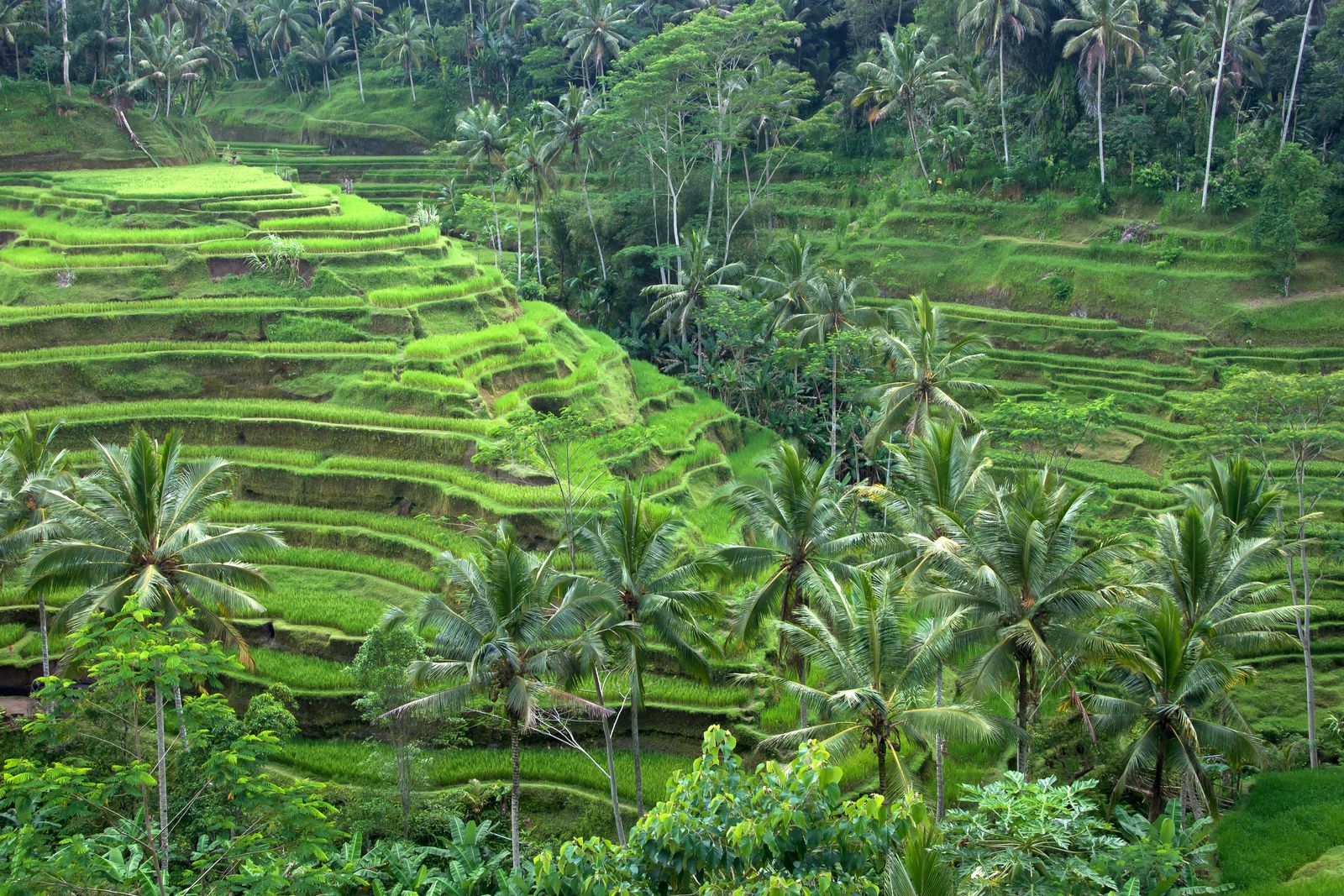 Photo: Vyacheslav Argenberg, CC BY 4.0
Ubud Jungle Guide
Bali's cultural heart is ringed by river gorges and terraced forest. Where to stay in the Ubud jungle, what to do, and how to escape the crowds.
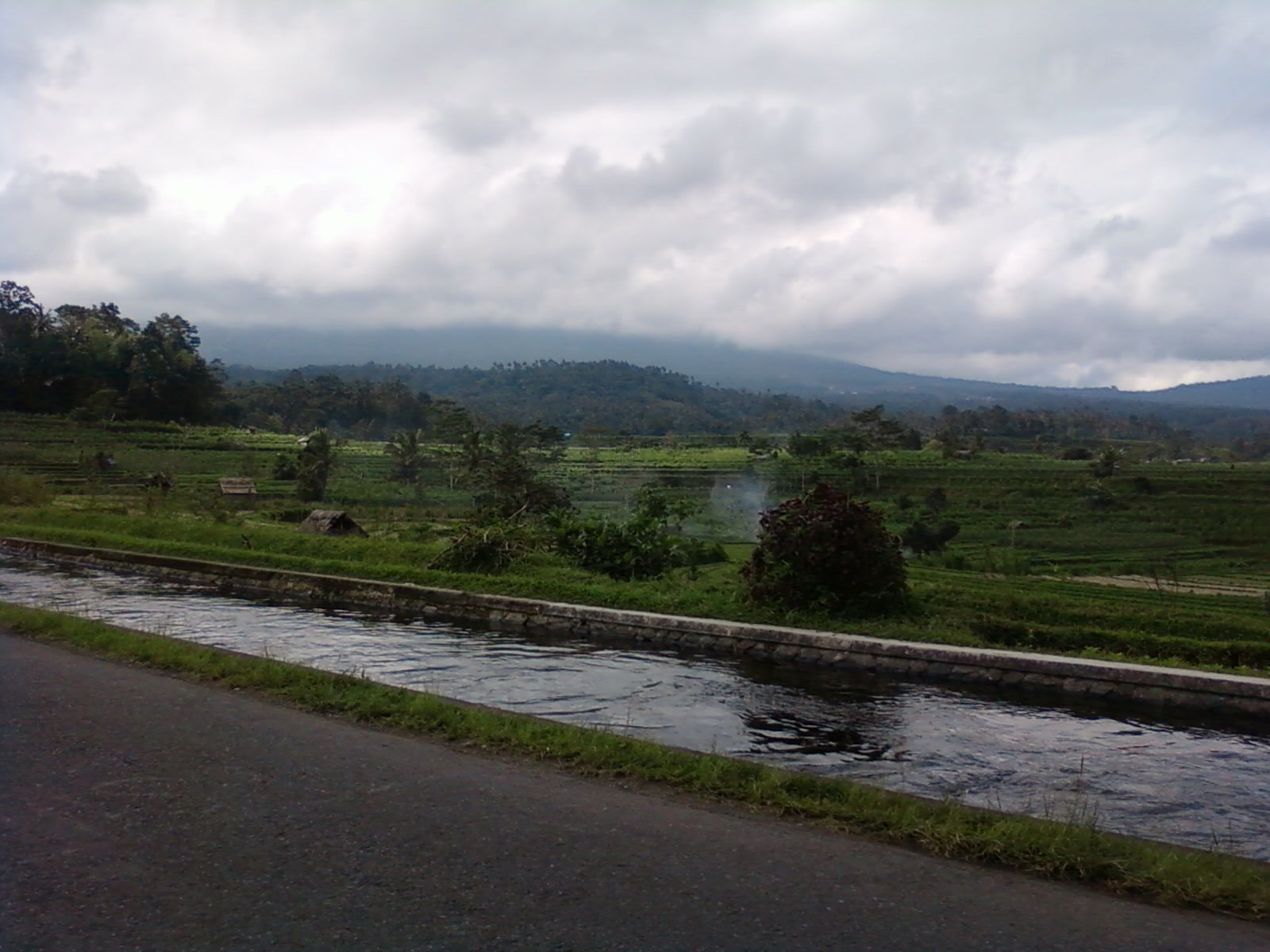 Photo: Adimelali Bali, CC BY-SA 3.0
Sidemen, Bali: The Quiet Valley Guide
An hour from Ubud and a decade behind it — Sidemen is the rice-terrace valley under Mount Agung where Bali's best bamboo houses hide.
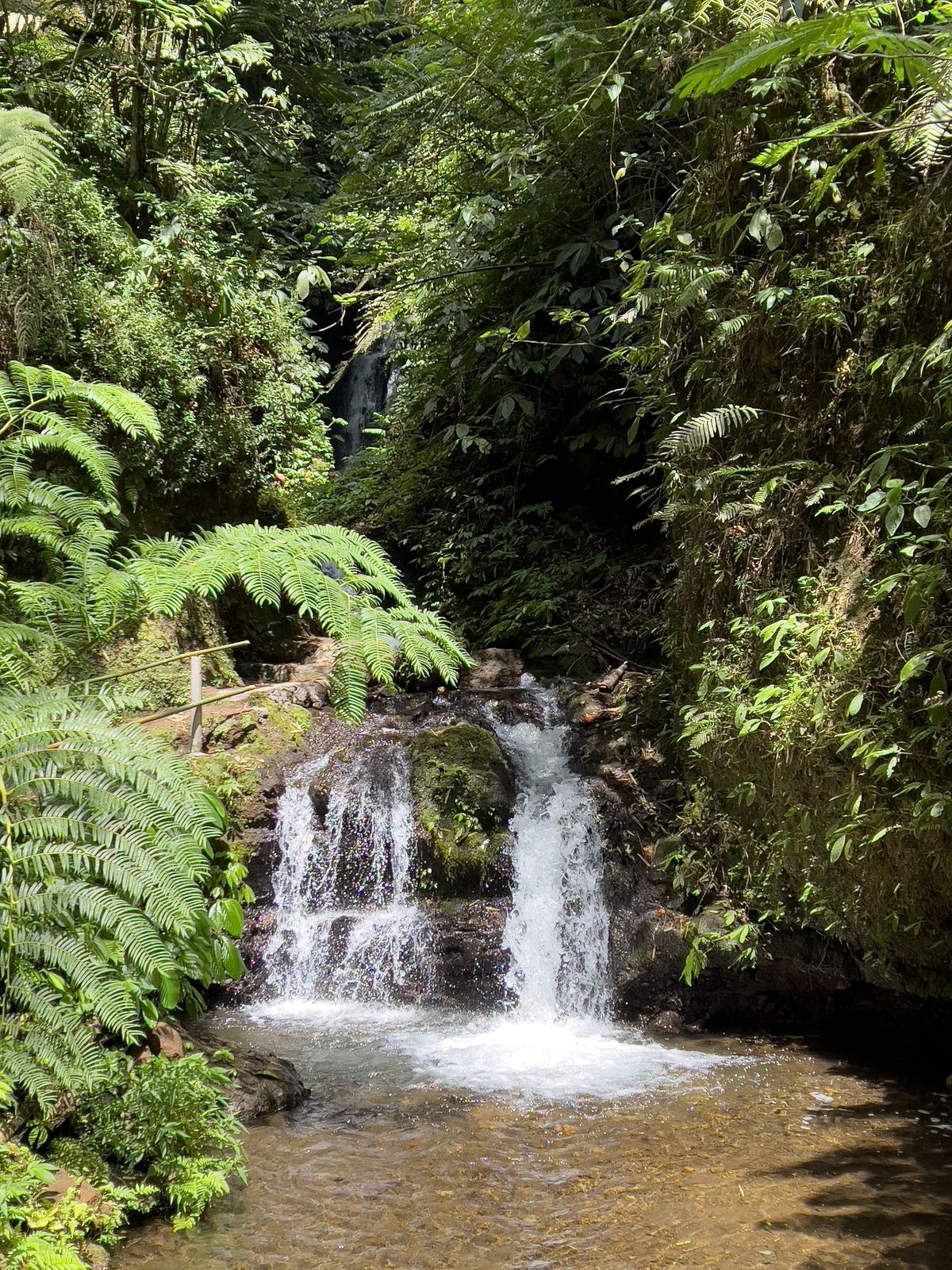 Photo: Stefan Fussan, CC BY-SA 3.0
Munduk & North Bali Highlands Guide
Bali's cool, waterfall-laced highlands — coffee country, twin lakes and jungle ridges two hours from the beach crowds.
 Photo: Derek Ramsey (Ram-Man), CC BY-SA 4.0
Find your own piece of the canopy.
Treehouses, bamboo houses and rainforest villas across 17 destinations — found, vetted and written up honestly.
Browse all destinations