Solo Travel in the Jungle: A Complete Guide
Every worry about solo jungle travel collapses into some version of the same question: what happens if something goes wrong and there's no one else there. It's a fair question. It's also one with real, practical answers — most of them logistical, not heroic. The people who do this well aren't braver than you; they've just made the boring decisions in advance: which stay to book, which trail needs a guide, who to tell when they'll be back online. This is the guide to those decisions.
Is it actually a good idea
Solo travel generally has stopped being a niche. It's grown fast enough over the past several years that most of the infrastructure built to accommodate it — group departures with no single-traveler penalty, lodges that expect a share of guests to arrive alone, forums and networks built specifically around it — now exists across nearly every kind of trip, jungle included. That growth has skewed heavily toward women traveling alone, which matters here because the safety questions solo female travelers ask are usually the most specific and the most useful to answer directly, even if you're not a woman planning this trip.
Jungle specifically adds a few things a solo city trip doesn't have: limited connectivity, real distance from a hospital, wildlife that requires respect rather than fear, and in some places, terrain that genuinely punishes a wrong turn. None of that makes it a bad idea. It makes it a trip that rewards planning slightly more than a solo week in Lisbon would. The honest framing is this: a well-chosen jungle stay, in a region with functioning tourism infrastructure, following the same guide and check-in rules everyone else follows, is not a dangerous undertaking. It's a trip with a slightly longer prep list.
Where people actually get into trouble is almost always one of three things: going off-trail without telling anyone, skipping a required guide because it felt unnecessary, or booking a stay so remote that a minor problem — a twisted ankle, a bad case of food poisoning, a dead phone battery — becomes a real one because there was no plan for it. All three are avoidable, and this guide is built around avoiding them.
Picking a stay built for one
The single biggest lever you control is which property you book, and jungle stays vary enormously in how well they've thought through a solo guest. A whole-home rental deep in the forest, with no staff and no other guests, hands you total privacy and also makes you the entire safety net. A staffed lodge — even a small one, five or six rooms — gives you people who notice if you don't come down for breakfast, who can radio a guide if a trail run takes longer than expected, and who've usually hosted plenty of solo travelers before and know what that actually requires.
For a first solo jungle trip, we'd lean toward the staffed option even if it costs slightly more. That's not caution for its own sake — it's the same logic as choosing a boutique lodge over an unhosted villa on any first trip to an unfamiliar region, jungle or otherwise. Once you've done this once and know what a specific region's infrastructure actually feels like, a whole-home rental becomes a much more reasonable choice for a return trip.
Watch for the single-supplement trap
A lot of jungle lodges and multi-day tours price per room or per group, which means a solo traveler either pays double or gets quietly excluded from an itinerary built around pairs. This has become enough of a known friction point that a meaningful number of Amazon-region operators now advertise no single supplement specifically to solo bookings, and some Amazon lodges report that close to half their guests arrive alone — solo travel isn't a footnote in that part of the industry anymore, it's close to half the business. Group-departure operators like G Adventures also commonly pair solo travelers of the same sex to avoid a supplement altogether, which is worth asking about directly if a multi-day jungle tour is part of the plan. Always ask the single-supplement question before you book rather than after; it's one of the few things about a jungle stay that's entirely negotiable in advance and essentially fixed once you've paid.
Good to know
"No single supplement" and "solo-friendly" aren't the same claim. The first is a pricing policy. The second should mean the property or operator has actually hosted solo travelers regularly, has a real answer for what happens if you need help after hours, and won't leave you eating alone at a table set for a group. Ask which one you're actually getting.
Guided or independent — know the actual rules
This is the part people most often get wrong, usually by assuming every jungle trail works the same way. It doesn't, and the rules aren't a suggestion — some are enforced entry requirements, not just recommendations for solo travelers.
Costa Rica is the clearest example because its rules are unusually specific and well documented. Most of its national parks and reserves let you walk the maintained nature trails on your own, guide or no guide. Corcovado National Park, on the remote Osa Peninsula, is the one real exception: entry to Corcovado requires a certified guide, full stop, for every visitor, not just solo ones. Chirripó National Park works differently again — it doesn't require a guide for the main summit trail, but it does require every hiker to check in at the park office in San Gerardo the day before starting, with a permit system that caps daily numbers. Neither rule exists because of solo travelers specifically; they exist because both parks manage genuinely difficult terrain and want a paper trail of who's inside them. As a solo traveler, that paper trail works in your favor — if you don't check out at the end of the day, someone already knows to look.
Outside the parks with hard requirements, a lot of the decision comes down to judgment rather than rule-following. A short, marked interpretive trail near a lodge, in daylight, told to staff before you go — reasonable to walk alone almost anywhere. A multi-hour trail into primary rainforest with river crossings, in a region you don't know, is a different calculation even where no law requires a guide. Naturalist guides in Costa Rica and similar regions aren't just there for safety, either — they're the reason you actually see the wildlife, spotting a sloth or a snake in the canopy that an untrained eye walks straight past. Treat a guide as something you're paying for the sighting as much as the safety net, and the expense stops feeling like an admission that you couldn't handle it alone.
The practical rule that travels well beyond Costa Rica: if a park, reserve, or lodge tells you a guide is required, that's not a suggestion aimed at inexperienced hikers — it's usually a response to something specific about that terrain, whether that's river crossings, jaguar territory, or a trail system easy to get turned around in under canopy where GPS signal drops. Don't negotiate with it.
A guide requirement isn't the jungle being precious about liability. It's usually the one piece of local knowledge that the terrain itself won't hand you for free.
Staying findable, not just connected
"Staying connected" gets talked about as a wifi problem. For a solo traveler it's really a findability problem, and those aren't the same thing. You can have a strong signal and still be effectively unreachable if nobody knows to check on you, and you can have no signal at all and still be perfectly safe if the lodge knows exactly where you went and when you're due back.
Build a simple, boring routine and stick to it: tell the front desk or your host, every single day, roughly where you're going and when you expect to be back — even for a walk you're confident about. Share your itinerary with one person at home before you leave, including the property names and dates, not just "somewhere in the Amazon." Buy a local SIM or eSIM on arrival even if the lodge has wifi, because a cellular signal on the walk between your room and the common area is often the difference between reaching someone and not. And if a specific day's plan involves real remoteness — a multi-hour trek, a river crossing, an area with no cell coverage at all — a satellite messenger that sends a check-in ping and has an SOS button is a genuinely worthwhile purchase for that one day, not overkill.
None of this requires being reachable every hour. It requires a pattern that someone else knows, so that silence past a known point in the pattern actually means something to somebody.
Health and safety, without the fear-mongering
Most of what actually causes problems on a jungle trip is mundane: dehydration, a twisted ankle on a wet root, a stomach bug from unfiltered water, sunburn severe enough to ruin the following two days. None of that is exotic and none of it requires jungle-specific heroics to prevent — it requires the same basic travel-health discipline that applies anywhere, applied a little more strictly because help is farther away.
- Travel insurance that actually covers evacuation. A standard policy often doesn't include medical evacuation from a remote area, and that's precisely the scenario where you'd need it. Check the policy specifically for evacuation coverage before you buy it, not after you need it.
- Check what vaccinations and preventive medication your specific region calls for well before you go — this varies by country and even by region within a country, and a doctor or travel clinic familiar with your itinerary is a better source than a general packing list. If malaria prevention applies to your route, start any preventive medication on the schedule your doctor sets, not the week before you fly.
- Filter or purify water even where a lodge says the tap is fine, and be more cautious with street food and ice than you might be in a city — a solo traveler managing a stomach bug alone in a remote lodge is a genuinely miserable version of a very common problem.
- Wear real closed-toe footwear on any trail, not sandals, and check them before you put them on if they've been sitting outside overnight — a habit every long-term jungle traveler picks up quickly and never drops.
- Learn the region's actual wildlife risk, not the movie version. Most jungle wildlife avoids people; the real risks are usually specific and manageable — snakes on unlit paths after dark, for instance — and a guide or lodge host will tell you exactly what applies locally if you ask.
If you take one thing from this section: the risk profile of a well-run jungle lodge is much closer to "manage the ordinary travel-health basics a bit more carefully" than to anything resembling a survival story. Treat it that way and it stops feeling like a special case.
Packing and logistics that change when you're alone
Most jungle packing advice — quick-dry clothing, a dry bag, insect repellent with a real DEET or picaridin percentage, a headlamp — doesn't change based on group size. A few things do.
Carry your own first-aid basics
On a group trip, someone else often has the blister kit or the antihistamine. Solo, that's on you: a small kit with the essentials, electrolyte packets for the heat, and any prescription medication in its original packaging with a few days of buffer supply in case a travel day runs long.
Bring a physical copy of your plan
Phones die, get wet, and lose signal under canopy more than travelers expect. A printed or written copy of your itinerary, accommodation names, and emergency contacts, kept somewhere that doesn't depend on battery life, is a low-effort backup that costs nothing and occasionally matters a great deal.
Pack for the evenings, not just the trails
Solo evenings at a remote lodge can run long if you've only packed for daytime activity. A couple of things to read, a journal, a deck of cards for the communal table — small, but they change how the downtime feels, and downtime is a bigger share of a solo trip than a group one, where someone else usually fills the quiet hours.
Money and documents, split up
Keep a card, some cash, and a copy of your passport separate from your main wallet — in a second bag, a hotel safe, or both. This matters everywhere, but it matters more solo, where there's no one else's backup wallet to fall back on if yours goes missing.
Region-by-region notes
The right region for a first solo jungle trip is less about which forest is prettiest and more about which one has the infrastructure to support traveling alone comfortably.
Costa Rica
Probably the single most forgiving entry point into solo jungle travel. Tourism infrastructure is mature, English is widely spoken in the areas travelers actually visit, the guide rules are specific and well documented rather than vague, and the lodge and small-hotel scene is used to solo guests. It's a genuinely good first choice precisely because so much of the guesswork in this article — is a guide required here, is this trail reasonable alone, how findable am I — has clear, published answers. More on Costa Rica.
Peru's Amazon
The lodge model here is built around guided programs rather than independent exploration by design — you're paired with a naturalist guide as part of the stay, not optional add-on, which removes a lot of the solo-specific decision-making this guide covers. Several lodges in this region specifically waive the single-supplement fee and report a high share of solo bookings, which tells you the industry here has already adapted to solo travelers rather than treating them as an edge case. More on Peru.
Brazil
A much bigger range of experiences, from established Amazon lodge circuits near Manaus to smaller, quieter operations. Distances are real here — factor in more travel time between a major city and a remote lodge than the map suggests — and lean on staffed properties over independent exploration for a first trip. More on Brazil.
Bali
Jungle travel here often blends with an established digital-nomad and solo-traveler scene, particularly around Ubud, which means more infrastructure for meeting other travelers than a deep-rainforest destination typically offers — a real advantage if part of what you want from a solo trip is company some evenings and solitude others. More on Bali.
Sri Lanka and Colombia
Both offer genuine jungle with noticeably fewer travelers than Costa Rica or Bali, which is a draw and a trade-off at once — quieter trails and lodges, alongside less built-out backup infrastructure if something goes wrong. Reasonable for a second or third solo jungle trip, once you've calibrated what you actually need from a stay, less so for a first one. More on Sri Lanka and Colombia.
Wherever you land, timing around the dry season makes solo logistics easier everywhere on this list — trails are more stable underfoot, transfers run more predictably, and connectivity issues tied to storms are less frequent. It's a bigger deal solo than in a group, because a delayed transfer or a flooded trail is a problem you're solving alone.
Meals, evenings, and not being lonely
The safety questions get most of the attention, but the thing that actually derails a solo trip more often is loneliness, not danger. A few things help. Staffed lodges with a communal dinner table put you in the same room as other travelers most nights without any effort on your part — ask about this specifically when booking, since not every property runs meals this way. Multi-day guided treks, even solo-booked ones, usually put you with a small group for the activity itself, which means you get company during the day and privacy in the evening if you want it. And it's worth being honest with yourself about which you actually want on a given night: some solo travelers want to sit alone with a book after a long day outdoors, and forcing conversation you don't want is its own kind of exhausting. The lodges that work best for solo travelers tend to make both options genuinely available rather than defaulting you into one.
If company is the priority over deep isolation, that's worth optimizing for directly when choosing a stay — a small boutique lodge with a shared table and eight other guests is a very different solo experience than a private whole-home rental an hour from the nearest town, even if both are technically "jungle."
What it actually costs to travel jungle solo
Budget for solo jungle travel skews higher per person than the same trip split between two or more people, mostly because of the single-supplement issue covered above and because a private guide or private transfer — sometimes the safer, more sensible choice solo — costs the same whether you're one traveler or four. A few ways this actually plays out in practice: multi-day Amazon lodge stays that waive the supplement are worth specifically seeking out over ones that don't, since the difference can be substantial across a week-long stay. Group departures that pair solo travelers rather than charging a supplement are worth the slightly reduced privacy if budget matters more than having a room entirely to yourself. And independent guides, hired directly for a single day rather than bundled into a multi-day package, are sometimes cheaper than they look, especially outside peak season — it's worth asking a lodge for a day-rate directly rather than assuming a private guide is out of budget.
None of this should push you toward skipping a guide requirement or a safety expense to save money. The corners worth cutting on a solo jungle trip are the ones about comfort — a slightly smaller room, a shared rather than private vehicle transfer where that's safe to do — not the ones about how findable and prepared you are.
Common questions
Is it safe for a woman to travel to the jungle alone?
In regions with established tourism infrastructure — Costa Rica, Peru's lodge circuits, Bali — yes, and the growth in solo female travel over the past several years reflects that reality rather than contradicting it. The same rules apply as anywhere: choose a staffed property for a first trip, follow local guide requirements, keep someone informed of your daily plan, and treat the ordinary travel-health basics seriously.
Do I need to hire a guide everywhere I go?
No, and it varies significantly by park and region. Some places, like Corcovado National Park in Costa Rica, legally require a certified guide for every visitor. Many other trails and reserves allow independent hiking, though a guide is still worth it for what you'll actually see, not just for safety. Always check the specific rule for the specific park before you go — don't assume based on a different park you've visited.
What if I can't find anyone to travel with and don't want to pay a single supplement?
Look specifically for lodges and operators that advertise no single supplement — this is now common enough in Amazon-region lodges and group-departure operators that it's worth filtering for rather than treating as a rare find. Group tours that pair solo travelers of the same sex are another reliable way around the fee.
How do I stay in touch with home if there's no wifi?
A local SIM or eSIM, bought on arrival, usually covers more ground than lodge wifi alone. For genuinely remote days — treks or river routes with no cell coverage — a satellite messenger with a check-in and SOS function is worth renting or buying for that specific day.
What's the single biggest mistake solo jungle travelers make?
Going off an established plan without telling anyone — extending a walk past the time they said they'd be back, taking an unmarked side trail, or skipping the daily check-in with lodge staff because it feels unnecessary that particular day. The plan only works as a safety net if you actually stick to it.
Should a first-time solo jungle traveler book a lodge or a private rental?
A staffed lodge, for a first trip. You get people who notice if your routine breaks, local knowledge about which trails need a guide, and usually other travelers around if you want company. A private whole-home rental is a better fit once you've done a solo jungle trip before and know what a given region's infrastructure actually feels like.

None of this is meant to talk you out of it — it's meant to make the trip boringly well-planned enough that you can actually relax into it once you're there. If you're still deciding where to go, our destination guides for Costa Rica, Peru and Bali are the three we'd point a first-time solo jungle traveler toward, and the full destination directory covers everywhere else on this list. Before you book, it's worth reading Is the Jungle Safe? An Honest Guide for the broader safety picture beyond the solo-specific angle here, Malaria, Vaccines & Health for Jungle Travel for the medical prep this guide only summarized, and What to Pack for a Jungle Trip for the full packing list behind the shortened version above. And if you're weighing a jungle stay against the alternative of staying fully off-grid, Off-Grid Jungle Stays: What to Expect is worth reading before you book — a fully off-grid stay changes several of the findability recommendations in this guide, and it's better to know that going in than to discover it on arrival.
- Solo Female Travelers Club: 2025 Solo Female Travel Trends and Statistics — growth rate and share of solo travelers who are women.
- Amazonia Expeditions — no single-supplement policy and solo-traveler booking share at Peru Amazon lodges.
- G Adventures: Amazon to the Andes — group-departure same-sex pairing policy for solo travelers.
- James Kaiser: 2025 Guide to Corcovado National Park — mandatory certified-guide entry rule.
- James Kaiser: 2025 Guide to Hiking Cerro Chirripó — required day-before check-in and permit system.
- Two Weeks in Costa Rica: Naturalist Guides in Costa Rica — where guides are required versus optional, and what a guide adds beyond safety.
- Green Circle Experience: Costa Rica — The Solo Traveler Guide — solo-travel logistics and protected-land context for Costa Rica.
More from the Journal.
How to Start a Jungle Airbnb
The complete, honest guide to building and running a treehouse, bamboo house or rainforest villa — from choosing a country and the land laws to off-grid systems, budgets, and getting booked.
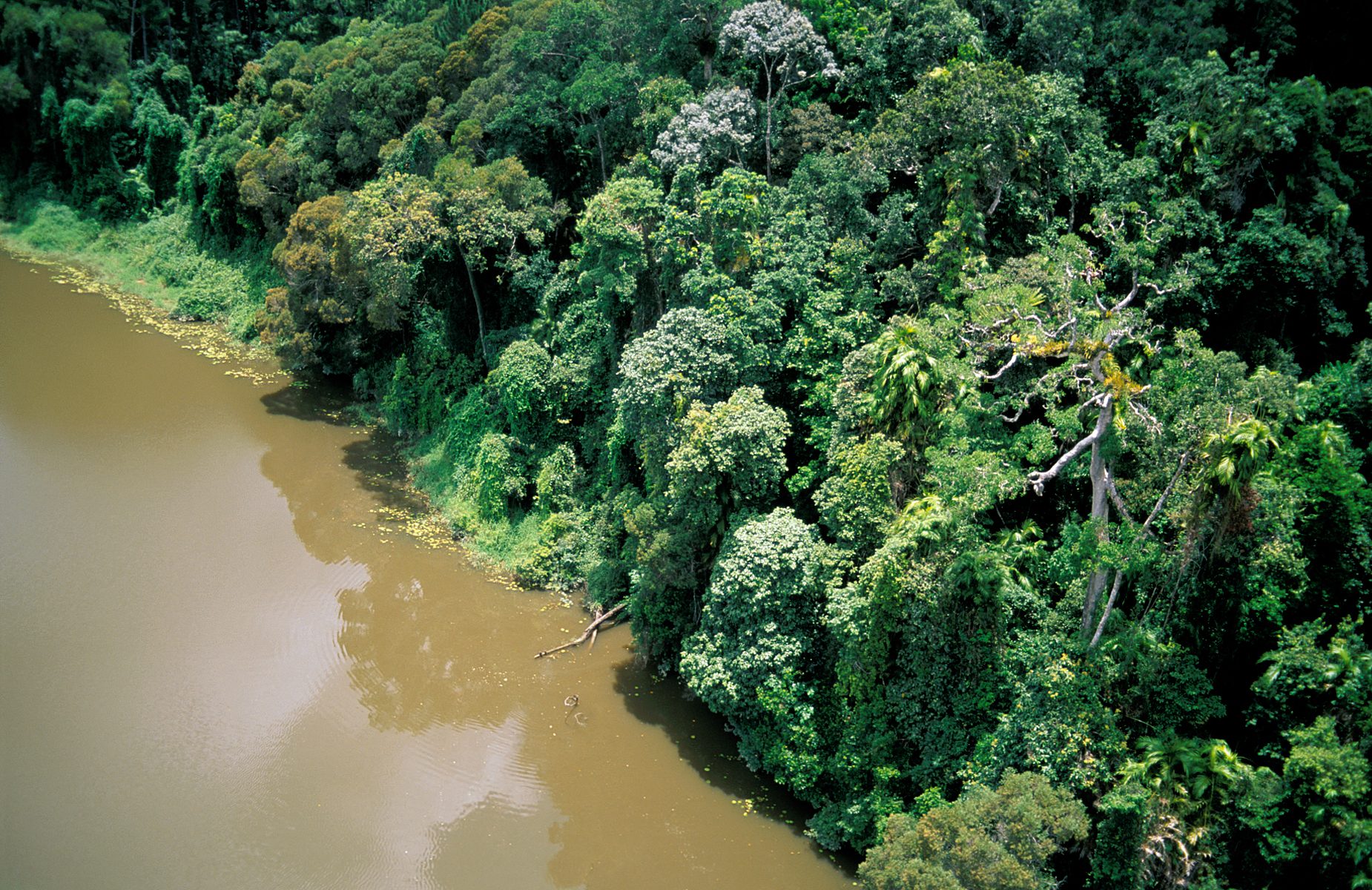 Photo: Gregory Heath, CSIRO, CC BY 3.0
Why Jungle Stays Are Booming
The data behind the treehouse boom: four shifts in how the world travels are all converging on the forest — and it looks structural, not a fad.
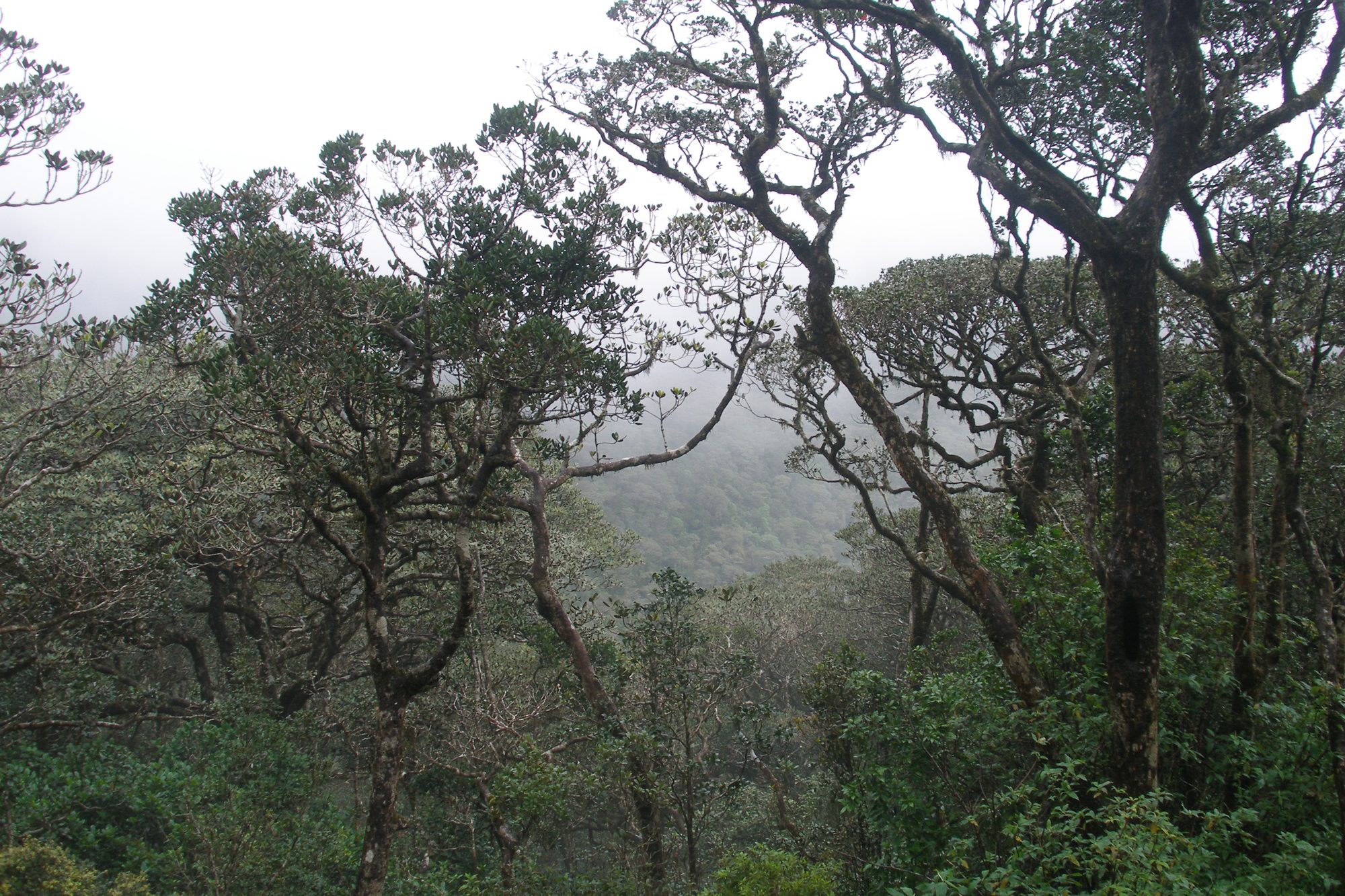 Photo: Vyacheslav Argenberg, CC BY 4.0
When to Visit the Jungle: A Season-by-Season Guide
There's no single best time to visit 'the jungle' — because it isn't one place. Here's when to go, region by region, with a month-by-month cheat sheet.
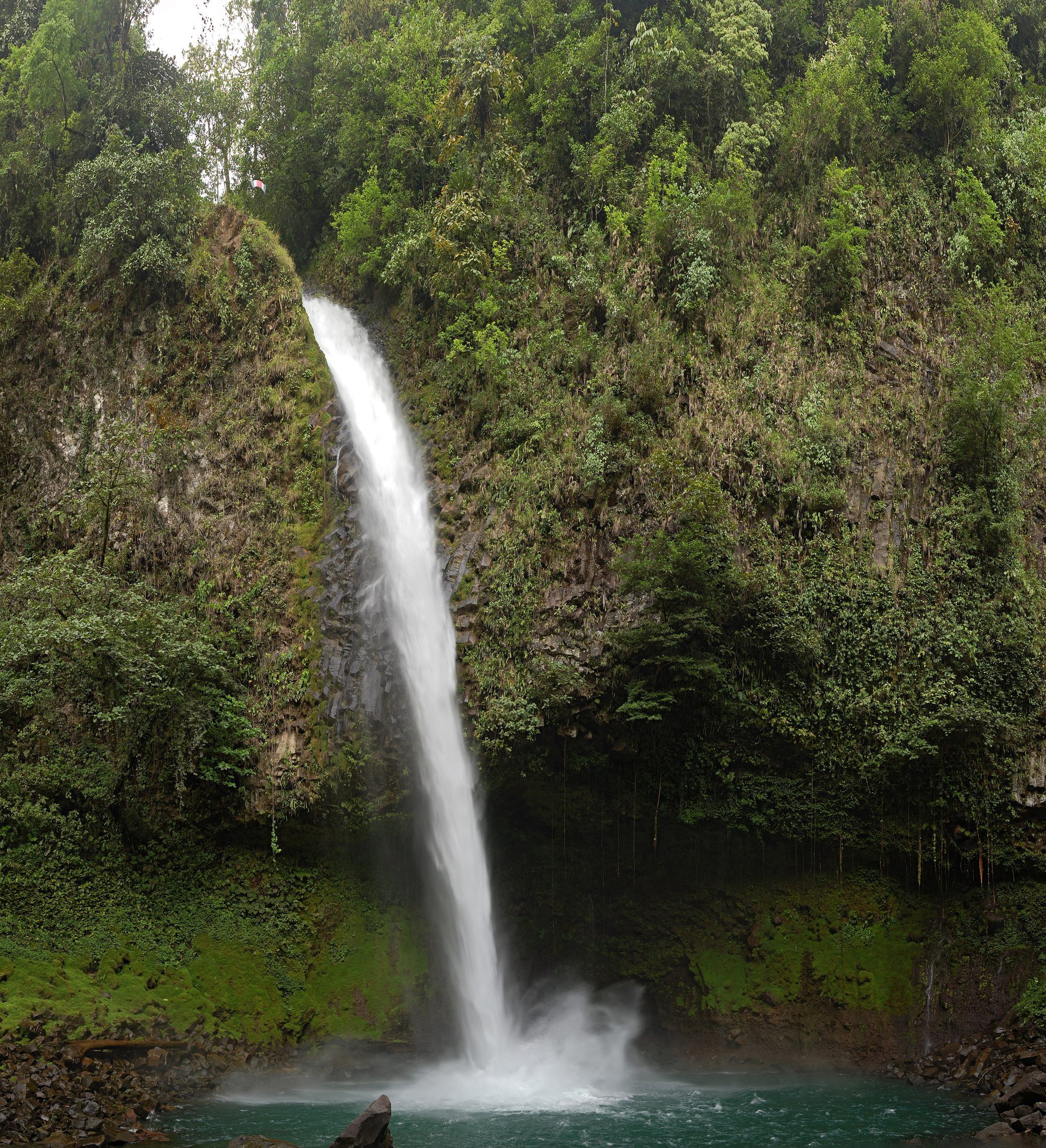 Photo: Derek Ramsey (Ram-Man), CC BY-SA 4.0
Find your own piece of the canopy.
Treehouses, bamboo houses and rainforest villas across 17 destinations — found, vetted and written up honestly.
Browse all destinations