Chiapas & the Lacandon Jungle Guide
Most of Mexico's jungle disappeared decades ago, cleared for cattle and corn. The Lacandon didn't, or at least not all of it — a stretch of rainforest in the eastern reaches of Chiapas that still holds jaguars, howler monkeys, a river the color of unfiltered jade, and Maya cities that were abandoned to the trees a thousand years before anyone thought to call them ruins. This is a guide to actually going: the real routes in, the towns and lodges worth basing yourself in, the waterfalls and ruins worth the drive, and the parts of the trip nobody puts in the brochure.
The Lacandon, honestly
The Selva Lacandona, as it's called in Spanish, is the largest remaining tropical rainforest in Mexico and one of the last significant ones left in North America outside of the Yucatan's lowland forests. It sits in the far east of Chiapas, pressed up against the Guatemalan border, drained by the Usumacinta River, which for long stretches is the actual borderline between the two countries. It's not the biggest jungle on the continent — nothing in Mexico competes with the scale of the Amazon further south, and this guide isn't going to pretend otherwise — but it's dense, genuinely wild in its core, and home to something like a quarter of Mexico's animal species by most estimates, packed into a fraction of the country's land area.
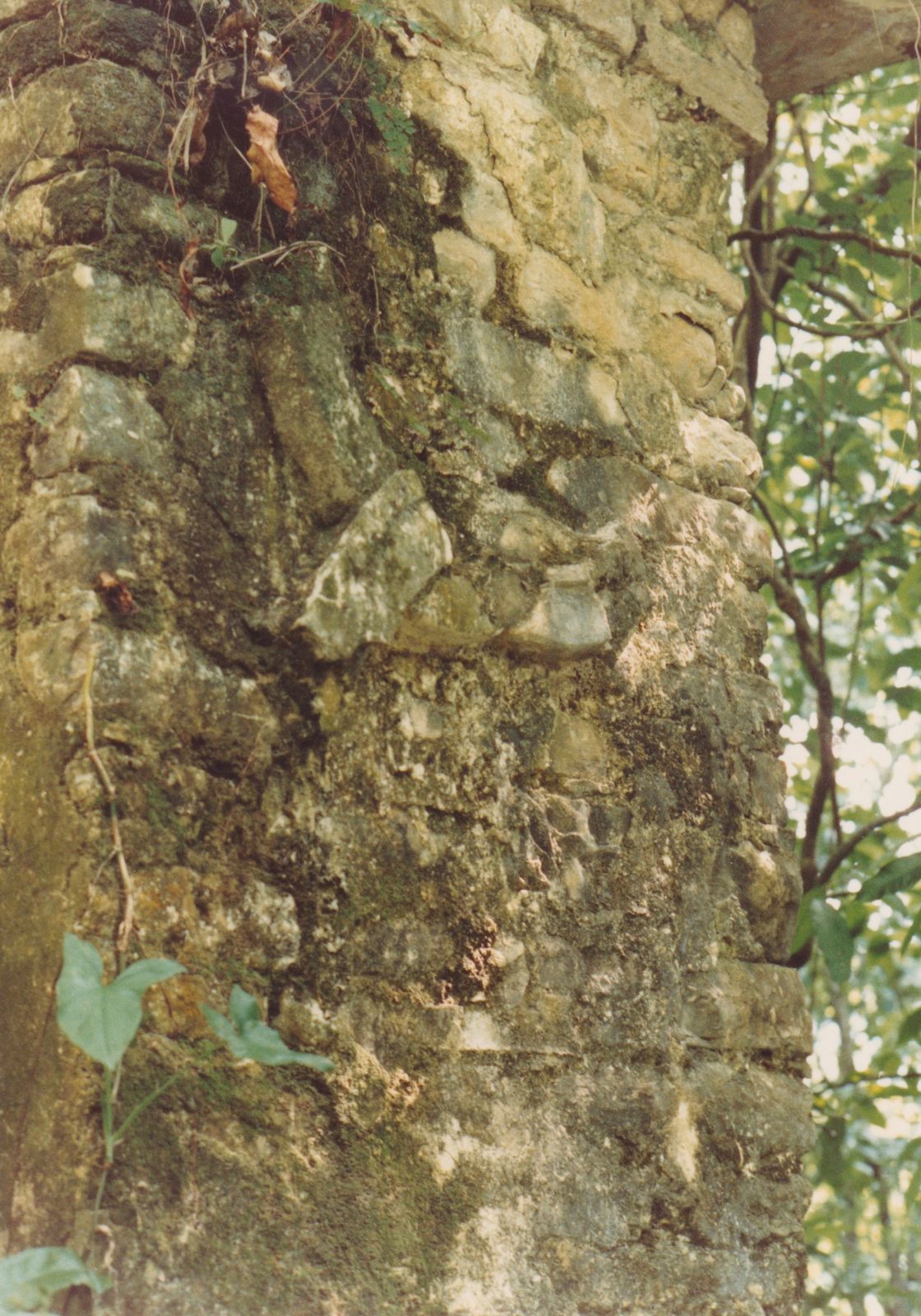
What makes the Lacandon different from a lot of jungle destinations is that the forest and the archaeology are the same story. The Maya cities here — Palenque, Bonampak, Yaxchilan — weren't cleared and preserved as open ruins the way, say, Chichen Itza was. They were swallowed by the jungle for centuries and are still, in places, being pulled back out of it. Palenque's excavated core sits in a manicured clearing, but walk a few hundred meters past the ticket line and you're in unexcavated jungle with unrestored temple mounds still under the canopy, tree roots working through stone that nobody has gotten to yet. That's not an accident of tourism infrastructure. It's the actual condition of the place.
The other thing worth knowing going in: this is still Lacandon Maya land, not just Lacandon Maya history. A small population of Lacandon people — by most counts no more than a few hundred to a thousand or so, split across a handful of villages — still lives in the jungle that carries their name, and some of the most interesting stays and guided trips in this guide run through their own eco-tourism cooperatives rather than through outside operators. That's worth supporting on its own merits, not as some kind of curated cultural moment — it's simply who knows this forest best.
Getting there
There's no way around it: the Lacandon jungle is a genuine journey, not a side trip. The two useful airports are Villahermosa, in the neighboring state of Tabasco, and Tuxtla Gutierrez, the capital of Chiapas. Both have direct domestic flights from Mexico City, and Villahermosa is the shorter drive to Palenque — roughly two and a half hours by road, versus closer to five or six hours from Tuxtla, much of it on mountain roads through the highlands. If Palenque and the jungle sites are the priority, Villahermosa is the better gateway. If you're planning to spend real time in San Cristobal de las Casas first, flying into Tuxtla and driving up into the highlands makes more sense, with Palenque as a leg of the trip rather than the start of it.
There's no passenger rail service into this part of Chiapas, and there hasn't been reliable long-distance passenger rail in the region for years, so the choice in practice is a rental car, a first-class bus (ADO is the main long-distance operator across southern Mexico and runs the Villahermosa-Palenque and San Cristobal-Palenque routes), or a private driver arranged through a lodge or tour operator. A rental car buys the most flexibility, especially for stringing together Agua Azul, Misol-Ha and Palenque in one day, which is difficult to do well on a fixed bus schedule. The trade-off is that some of the roads deeper into the jungle — toward Bonampak, Yaxchilan and the Lacandon villages around Lacanja Chansayab and Naha — are narrow, occasionally unpaved in stretches, and not roads you want to be improvising on after dark. Most visitors book those legs as guided day trips out of Palenque rather than self-driving them, and that's the sensible call for a first visit.
The bus connection between San Cristobal de las Casas and Palenque runs both day and overnight, taking around seven to eight hours either way on a road that winds through the highlands and drops into the jungle lowlands — worth breaking up with a stop at the waterfalls rather than riding it straight through, which most day-trip shuttle vans do exactly for that reason.
Where to base yourself
Palenque town, a few kilometers from the ruins themselves, is the obvious hub for the archaeology and the waterfalls, and it's where most travelers spend at least two nights. It's not a particularly charming town in its own right — it's a working transit hub with a lot of tour operators lined up along the main road — but it puts everything in this guide within a half-day's reach. A better version of the same idea, if you don't mind paying a bit more and driving a short distance further, is to stay along the road toward the ruins themselves, where a handful of jungle lodges sit right at the edge of the forest with howler monkeys audible from the rooms at dawn. That's the more atmospheric option and worth it if the jungle itself, not just the ruins, is the draw.
For a genuinely different base, the Lacandon villages themselves — Lacanja Chansayab closest to Bonampak, Naha and Metzabok further north near their namesake lakes — run their own cabins, campsites and simple lodges through community cooperatives. Staying in one of these isn't a luxury experience by any stretch: expect basic cabins, cold water more often than hot, and meals cooked by the family running the place. What you get in exchange is a night actually inside the jungle rather than at its edge, guided hikes led by people who grew up in this forest, and a more direct route to Bonampak and Yaxchilan than doing them as a long day trip from Palenque. It's a genuinely good option for a traveler who's done the highlights elsewhere and wants something less packaged — the same instinct that leads people toward Peru's community-run Amazon lodges or the homestay circuit in parts of Sri Lanka.
For a broader look at where to stay across Mexico's jungle regions, including the Yucatan side of the country, see our Mexico destination page, or browse the full JungleBnB directory if you're still deciding between Chiapas and another jungle destination entirely.
Palenque and the ruins in the trees
Palenque is the reason most people come to this part of Chiapas in the first place, and it earns the reputation. The city flourished roughly between 400 and 800 CE, reaching its peak under the ruler K'inich Janaab' Pakal, whose tomb inside the Temple of the Inscriptions — discovered in the 1950s, one of the most significant tomb discoveries in Maya archaeology — is a large part of why Palenque is considered one of the finest examples of Classic Maya art and architecture anywhere. The Temple of the Inscriptions itself, the Palace with its distinctive four-story tower, and the ballcourt are the core of the excavated site, and none of it is a long walk from the entrance.
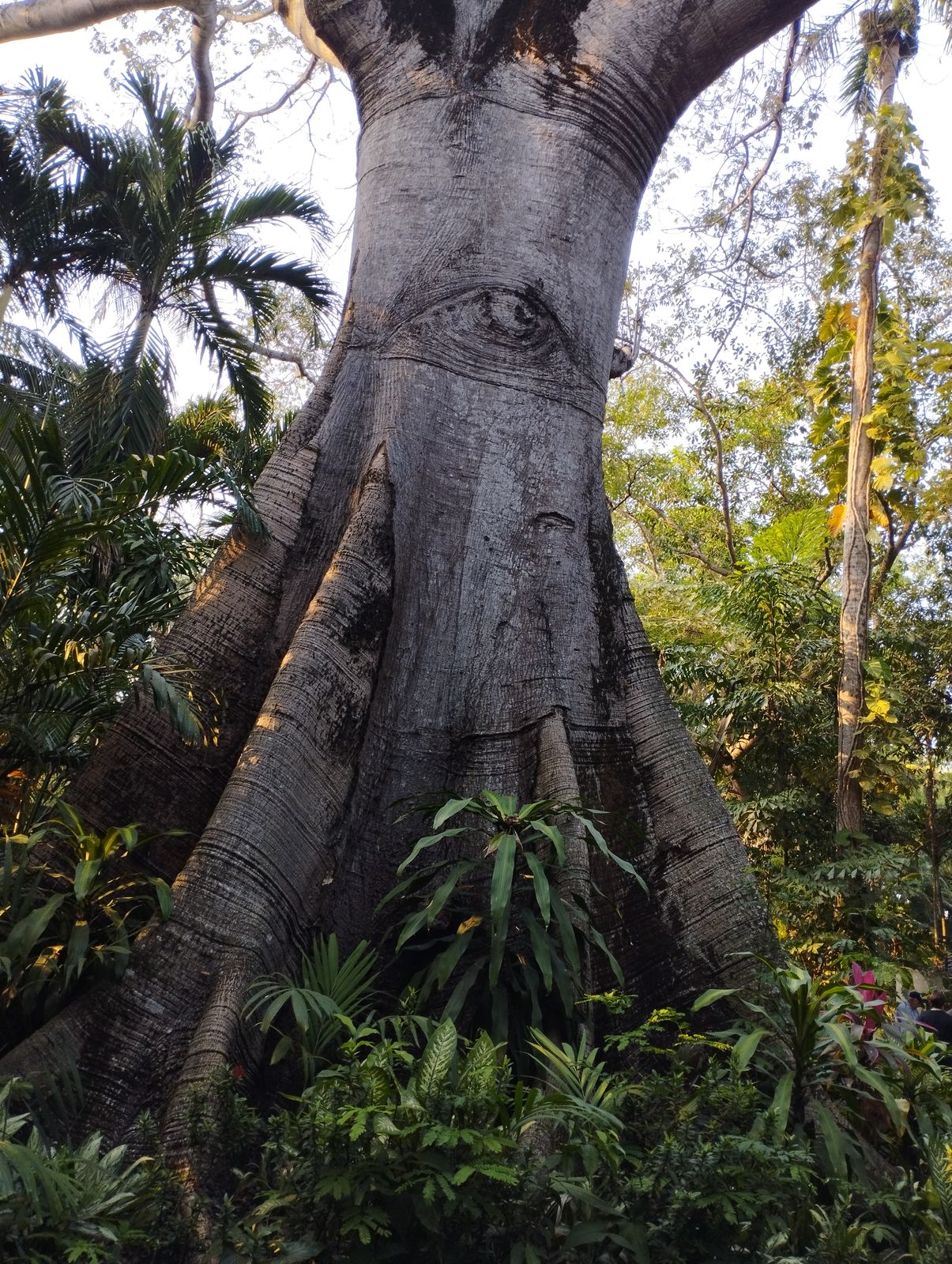
What separates Palenque from a lot of the more famous Yucatan sites is what surrounds the excavated core. Archaeologists estimate that only a small fraction of the ancient city has actually been cleared and studied — plenty of temple mounds and structures remain under jungle cover within the site's boundaries, some visible as tree-covered hills if you know what you're looking at. Trails through this section of Palenque National Park wind past waterfalls and pools inside the park itself, with howler monkeys reliably audible, if not always visible, especially in the early morning before the tour buses arrive. Getting there at opening time, rather than mid-morning, is the single best piece of practical advice for Palenque: the heat and the crowds both build fast, and the animal activity drops off just as quickly.
Palenque isn't a ruin you walk through and leave. It's a ruin with a jungle still actively growing over parts of it, and that's the whole point — you're not looking at a museum piece, you're looking at a city the forest hasn't finished taking back.
The on-site museum, a short walk or drive from the main entrance, is worth the extra time — it holds some of the finer carved panels and funerary offerings recovered from the site, displayed with more context than you'll get walking the ruins alone. Guides can be hired at the entrance and are genuinely useful here, both for the history and for spotting wildlife most visitors would otherwise walk straight past.
The waterfalls: Agua Azul and Misol-Ha
Between San Cristobal de las Casas and Palenque — or as a half-day trip out of Palenque itself — sit two of the most photographed waterfalls in Mexico, and they're different enough from each other that seeing both is worth the extra time rather than picking one.
Misol-Ha is the simpler of the two: a single drop of roughly 35 meters into a wide pool ringed by jungle, close enough to the main road that it's an easy stop rather than a hike. A path leads around and behind the curtain of falling water into a shallow cave, which is as good as it sounds and takes about ten minutes round trip. The pool below is swimmable, and because Misol-Ha is a single, contained waterfall rather than a sprawling cascade system, it's also the calmer, less crowded of the two most of the year.
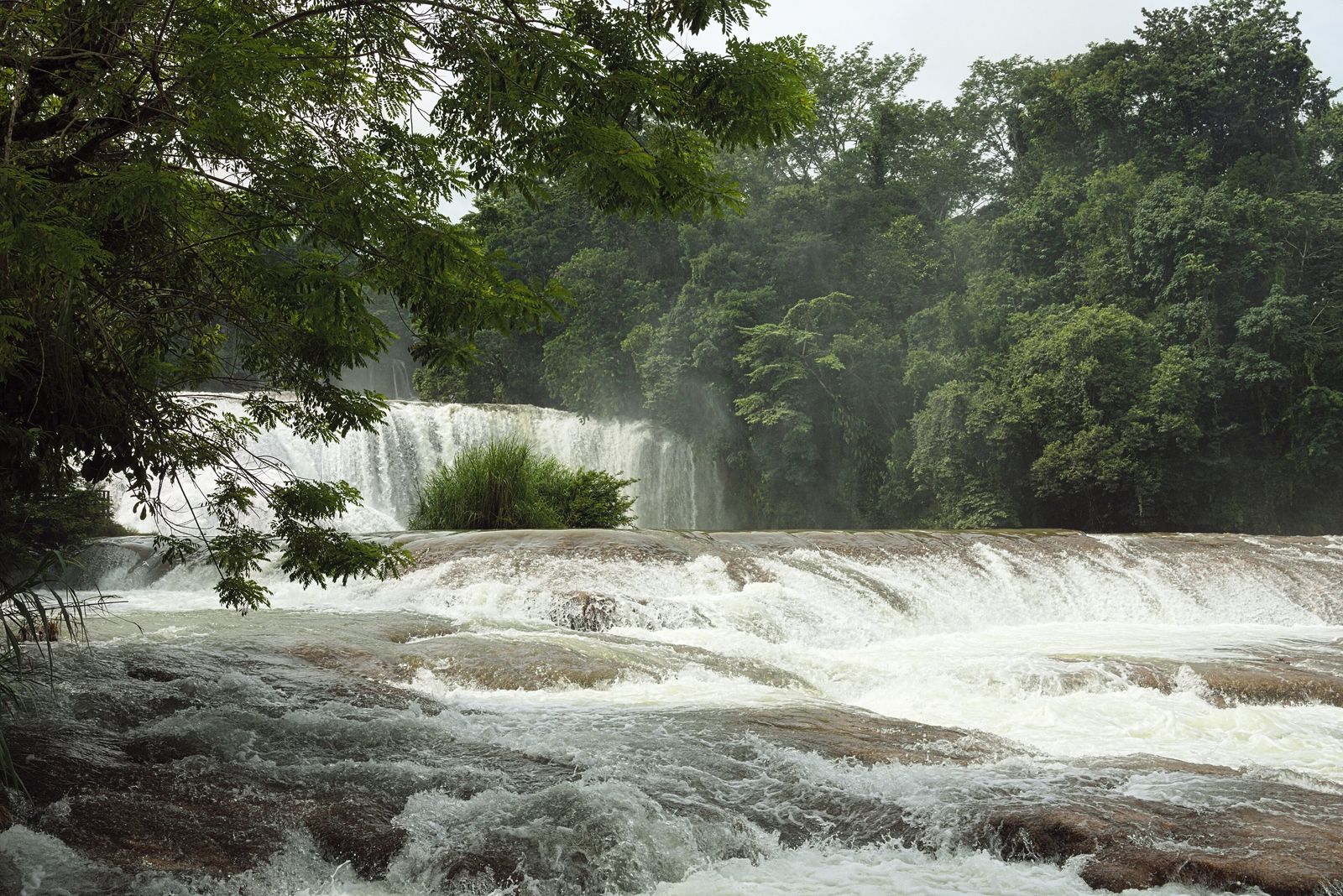
Agua Azul is the bigger draw and the more dramatic sight — not one waterfall but a long series of stepped, turquoise cascades running for stretches down the Rio Xanil, the mineral content in the water giving it the blue-green color the name promises. There are marked swimming areas along the lower pools, though currents and depth vary and it's worth sticking to the areas locals and staff mark as safe rather than improvising further upstream. Both sites charge a modest local community entrance fee, which goes directly to the villages that maintain the access roads and paths — worth having small bills on hand for, since card payment isn't reliably available at either.
Good to know
Agua Azul's color is genuinely weather-dependent. After heavy rain, sediment can turn the water a muddy brown for a day or two rather than the turquoise seen in photos. It's still worth the stop, but if the color is the main draw, ask locally about recent rain before committing a full day to the trip.
Deeper in: Bonampak, Yaxchilan and the Lacandon villages
Bonampak and Yaxchilan are the two sites that separate a standard Palenque visit from an actual Lacandon jungle trip, and both require real commitment to reach — this is the part of the guide where "worth it" comes with an asterisk about time and road conditions.
Bonampak is famous for one thing specifically: its murals. Three rooms inside a small temple hold what are widely considered the best-preserved Maya murals anywhere, painted in vivid reds, blues and ochres and depicting a coherent narrative of courtly ceremony, a battle, and its aftermath, including captives and bloodletting rituals. Photographs of Maya art rarely prepare you for how much color survives here — most Maya sites give you carved stone; Bonampak gives you something closer to a painted record. Access to the site itself is restricted to community-run shuttle vehicles from a checkpoint near Lacanja Chansayab, a rule set up to limit vehicle traffic through the surrounding Lacandon community land, so this isn't a site you simply drive up to.
Yaxchilan goes a step further: it's reachable only by boat, a roughly 20 to 40 minute run down the Usumacinta River from the town of Frontera Corozal, with Guatemala visible on the opposite bank for the entire trip. The site sits on a dramatic bend in the river and is genuinely less visited than Palenque or even Bonampak, which means a real chance of having entire temple groups to yourself, howler monkeys included. The carved lintels and stelae here, particularly those associated with the ruler Bird Jaguar IV, are some of the finest surviving examples of Maya relief carving, and the river approach — the only way in, no road alternative — makes the arrival itself part of the experience rather than a formality before the ruins start.
Both sites are most commonly visited together as a long day trip from Palenque, typically ten to twelve hours round trip including the drive, the boat and both site visits, or as an overnight based in Lacanja Chansayab or Frontera Corozal, which splits the driving over two days and adds real time in the jungle itself rather than treating it as a transit corridor. The overnight option is the better one if the schedule allows it — it also opens up the nearby Lacandon lake villages of Naha and Metzabok, both reachable from the same general area, with clear volcanic-crater lakes, orchid populations worth the detour on their own, and guided hikes run by Lacandon families rather than outside tour companies.
San Cristobal de las Casas and the highlands
San Cristobal de las Casas isn't jungle — it sits at over 2,100 meters in the Chiapas highlands, cool enough at night that a jacket is genuinely useful, a world away in climate from Palenque a few hours down the mountain. But it's worth including here because most itineraries through this region pass through it, and it's a legitimately good base for a day or two before or after the jungle leg of the trip: colonial architecture, a strong coffee and craft scene, and access to nearby indigenous Tzotzil and Tzeltal Maya communities in villages like San Juan Chamula and Zinacantan, both a short collectivo ride away and worth a guided visit for their distinct religious and textile traditions.
The honest reason to build San Cristobal into a Chiapas trip is contrast. The jungle lowlands and the pine-forested highlands are different ecosystems, different climates and, in a lot of ways, different Mexicos, and seeing both in the same trip gives a fuller sense of how much variation Chiapas actually holds within one state. It also breaks up what would otherwise be a long, flat stretch of jungle heat with a cooler, higher-altitude few days in between.
Food and practicalities
Chiapas has its own distinct food culture, separate from what most visitors know of Mexican food from further north or from the Yucatan. Look for cochito horneado, a slow-roasted pork dish; tamales chiapanecos, typically wrapped in banana leaf rather than corn husk and larger than the tamales found elsewhere in the country; and pozol, a traditional Maya drink made from fermented corn dough, often mixed with cacao, that's still a genuine daily staple in Lacandon and other indigenous communities rather than a tourist novelty. Chiapas is also one of Mexico's major coffee-growing states, and the highlands around San Cristobal in particular are worth seeking out cafes in for that reason alone.
Cell signal is inconsistent through the jungle sections of this trip and drops out entirely in stretches around Bonampak, Yaxchilan and the Lacandon villages — worth downloading offline maps and telling anyone who needs to reach you that you'll be unreachable for a day or two. ATMs are reliable in Palenque town and San Cristobal but scarce to nonexistent past that, so carry more cash than feels necessary for entrance fees, community tolls and meals in smaller villages. Spanish is the practical language throughout; English is spoken at hotels and by guides in Palenque and San Cristobal but drops off quickly once you're in the smaller jungle communities, where guides typically speak Spanish and, in Lacandon villages, their own Maya language first.
Mosquito protection matters more here than in a lot of jungle destinations, given the standing water around the waterfalls and lake villages — bring proper repellent rather than relying on what's sold locally, and consider checking current guidance on mosquito-borne illness for the region before traveling, the same way you would for a trip to the Brazilian Amazon or lowland Costa Rica.
When to go
Chiapas runs on a wet-and-dry cycle rather than four seasons, and the practical dividing line for travelers is roughly November through April for the dry season versus May through October for the wet one. Dry season is the easier travel window: lower river levels at Yaxchilan mean shorter, smoother boat crossings, roads into the more remote Lacandon villages are less likely to be affected by mud, and the waterfalls, while slightly lower-volume, tend to hold their turquoise color more reliably without heavy sediment runoff. It's also, unsurprisingly, the more popular and more crowded season, particularly around the Christmas and Easter holiday weeks, when Palenque and the waterfalls can feel considerably busier than the rest of the year.
Wet season brings the jungle to its most lush and green, heavier waterfall flow at Agua Azul when the color cooperates, and noticeably thinner crowds at every site in this guide — a real trade worth considering if crowds bother you more than the occasional afternoon downpour. The trade-off is real, though: unpaved sections of road toward Bonampak, Naha and Metzabok become genuinely more difficult, sometimes impassable after heavy rain, and the Usumacinta River can run high and fast enough that the Yaxchilan boat crossing gets temporarily suspended. If a wet-season trip is the plan, build in flexibility rather than a tight day-by-day schedule, and expect that some part of the itinerary may need to shift around actual conditions on the ground.
Honest caveats
This is not an easy or fully polished travel corridor, and it's worth saying plainly rather than glossing over. Roads deeper into the jungle are narrow, occasionally in rough condition, and not lit or well marked after dark — plan drives to end before sunset. Palenque town itself is a functional base rather than a charming one, heavy with tour touts along the main strip, and the ruins themselves get genuinely crowded by mid-morning with tour groups arriving from San Cristobal and Villahermosa alike; the early-entry advice earlier in this guide isn't optional if you want the quieter version of the site. Chiapas has also, at various points, seen political tension and occasional local land disputes connected to the region's indigenous communities and its history since the 1994 Zapatista uprising, which began in this state — none of it typically affects standard tourist routes, but it's worth checking current travel advisories before a trip rather than assuming the situation is static.
Connectivity, already covered above, is a real practical constraint rather than a minor inconvenience for anyone who needs to stay reachable for work. And the heat and humidity in the jungle lowlands, especially April through August, are serious — this isn't a destination where a light itinerary of four sites in one day works comfortably, and trying to rush it is the most common way visitors end up exhausted rather than impressed.
Common questions
Is the Lacandon Jungle safe to visit?
The standard tourist routes covered in this guide — Palenque, Agua Azul, Misol-Ha, Bonampak, Yaxchilan and the main Lacandon villages — are visited by large numbers of travelers every year without incident, and guided day trips from Palenque or San Cristobal are a well-established industry here. As with any trip to the region, check current government travel advisories before booking, since parts of Chiapas have periodically seen localized tension, and stick to established routes and reputable operators rather than improvising into areas without cell signal or clear guidance.
Can I visit Palenque, Bonampak and Yaxchilan in one day?
It's possible but long — a combined day trip typically runs ten to twelve hours including driving, the community shuttle to Bonampak and the boat to Yaxchilan, usually starting before sunrise. Splitting it over two days with an overnight in Lacanja Chansayab or Frontera Corozal is more comfortable and leaves time to actually take in each site rather than rushing between them.
Do I need a guide for the ruins and waterfalls?
Not strictly, but it's worth it, particularly at Palenque and Bonampak, where guides add historical context that isn't well signposted on-site. Bonampak in particular requires using the community shuttle system regardless, and local guides there are part of that same community arrangement. Agua Azul and Misol-Ha are easy to visit independently.
How does the Lacandon Jungle compare to the Yucatan jungle sites like Tulum?
They're different experiences entirely. The Tulum and Maya jungle region on the Yucatan Peninsula is flatter, drier in character, and built around a well-developed beach and cenote tourism industry with far more infrastructure. The Lacandon is denser rainforest, less developed, and centered on archaeology and genuine forest immersion rather than beach time — see our broader Mexico destination page for how the two regions compare.
What should I pack?
Lightweight, quick-dry clothing, a real rain jacket regardless of season, sturdy closed-toe shoes for uneven ruins and jungle paths, strong mosquito repellent, a reusable water bottle, and cash in small denominations for community entrance fees. A dry bag is genuinely useful for the Yaxchilan boat crossing and for Agua Azul.
Is this a good trip for families or first-time jungle travelers?
Palenque and the waterfalls are manageable for most families and casual travelers — well-marked paths, short walks, and a genuine sense of jungle without extreme remoteness. Bonampak, Yaxchilan and the Lacandon lake villages are a bigger commitment in time, heat and road conditions, and are better suited to travelers who've done at least one jungle trip before or who are comfortable with a slower, less predictable pace, similar to the step up between a first trip to Manuel Antonio and a deeper trip into Costa Rica's Osa Peninsula.
Chiapas rewards travelers willing to spend real time getting to it, and the Lacandon jungle in particular is one of the few places left in North America where a Maya city and the rainforest around it were never fully separated in the first place. If this kind of trip appeals, our guides to Monteverde's cloud forest and Khao Sok National Park in Thailand cover jungle destinations with a similar mix of genuine wildlife and real archaeological or geological draws, and the full JungleBnB directory is the place to start if Chiapas ends up one stop on a longer jungle itinerary rather than the whole trip.
- Visiting the Lacandon Jungle, Mexico: 4 Day Itinerary — Live, Wander, Play — route and itinerary structure for Palenque, Agua Azul, Misol-Ha and Bonampak/Yaxchilan.
- Metzabok and Naha Lakes, Chiapas — LACANTOURS — driving route and distance from Palenque to the Naha and Metzabok Lacandon communities.
- Lacandon Village Chiapas Mexico — Trans-Americas Journey — background on the Lacandon Maya communities and their eco-tourism cooperatives.
- Nahá Jungle Lodge Ecotourism Center — Visit Chiapas — community-run lodging near the Naha lake.
- The Not-Your-Usual Guide To Palenque, Mexico — Indie Traveller — Palenque site details and practical visiting advice.
- 8-day Chiapas Adventure: Ziplines, Waterfalls, and Ruins — Journey Mexico — regional itinerary context for San Cristobal, Palenque and the jungle sites.
- Chiapas Travel Guide — Mexico Travel and Leisure — general Chiapas travel and gateway city information.
- Visit Selva Lacandona — Tours & Lodges — Lacandon jungle community tourism operators and lodges.
More from the Journal.
 Photo: Vyacheslav Argenberg, CC BY 4.0
Ubud Jungle Guide
Bali's cultural heart is ringed by river gorges and terraced forest. Where to stay in the Ubud jungle, what to do, and how to escape the crowds.
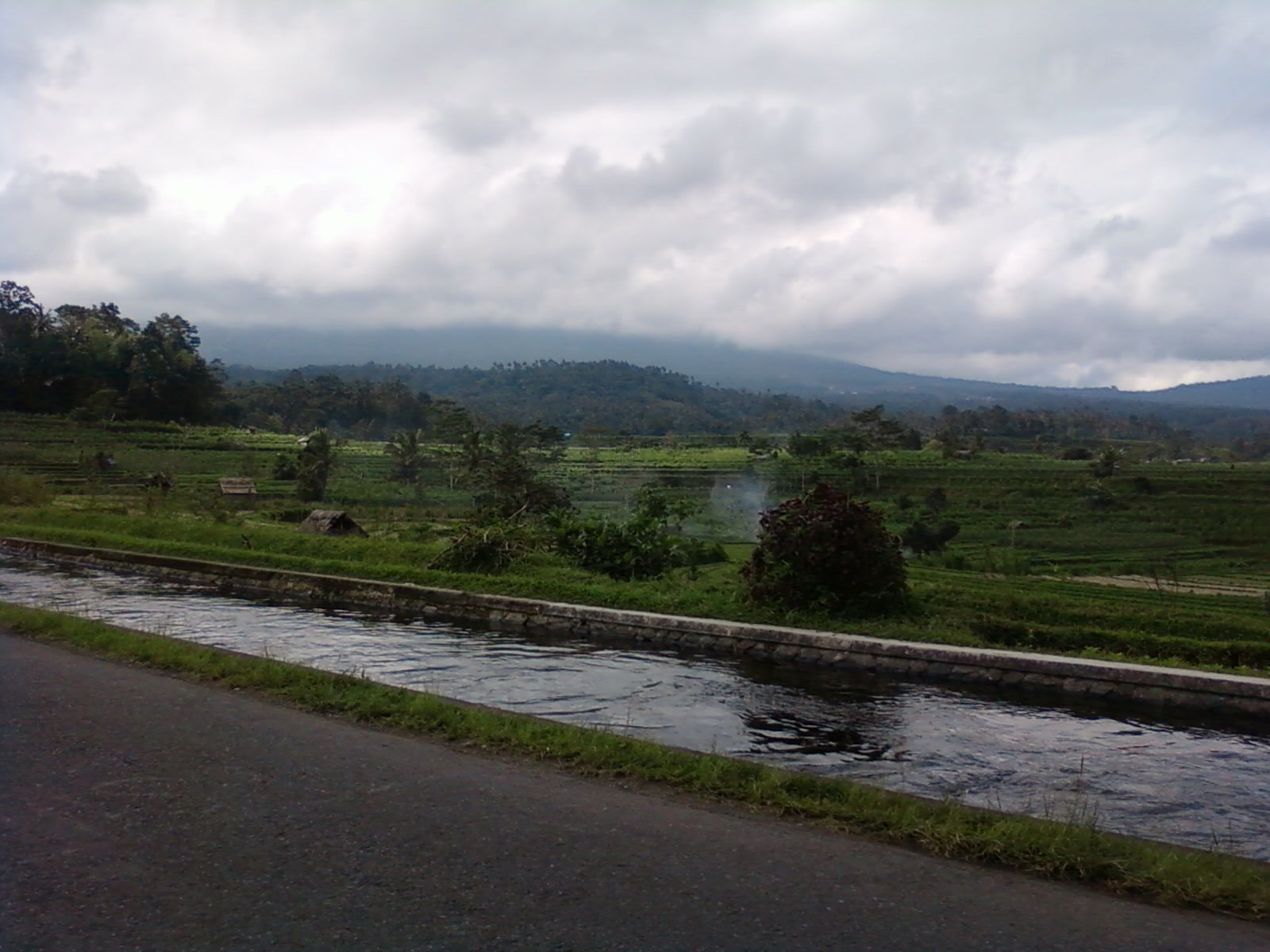 Photo: Adimelali Bali, CC BY-SA 3.0
Sidemen, Bali: The Quiet Valley Guide
An hour from Ubud and a decade behind it — Sidemen is the rice-terrace valley under Mount Agung where Bali's best bamboo houses hide.
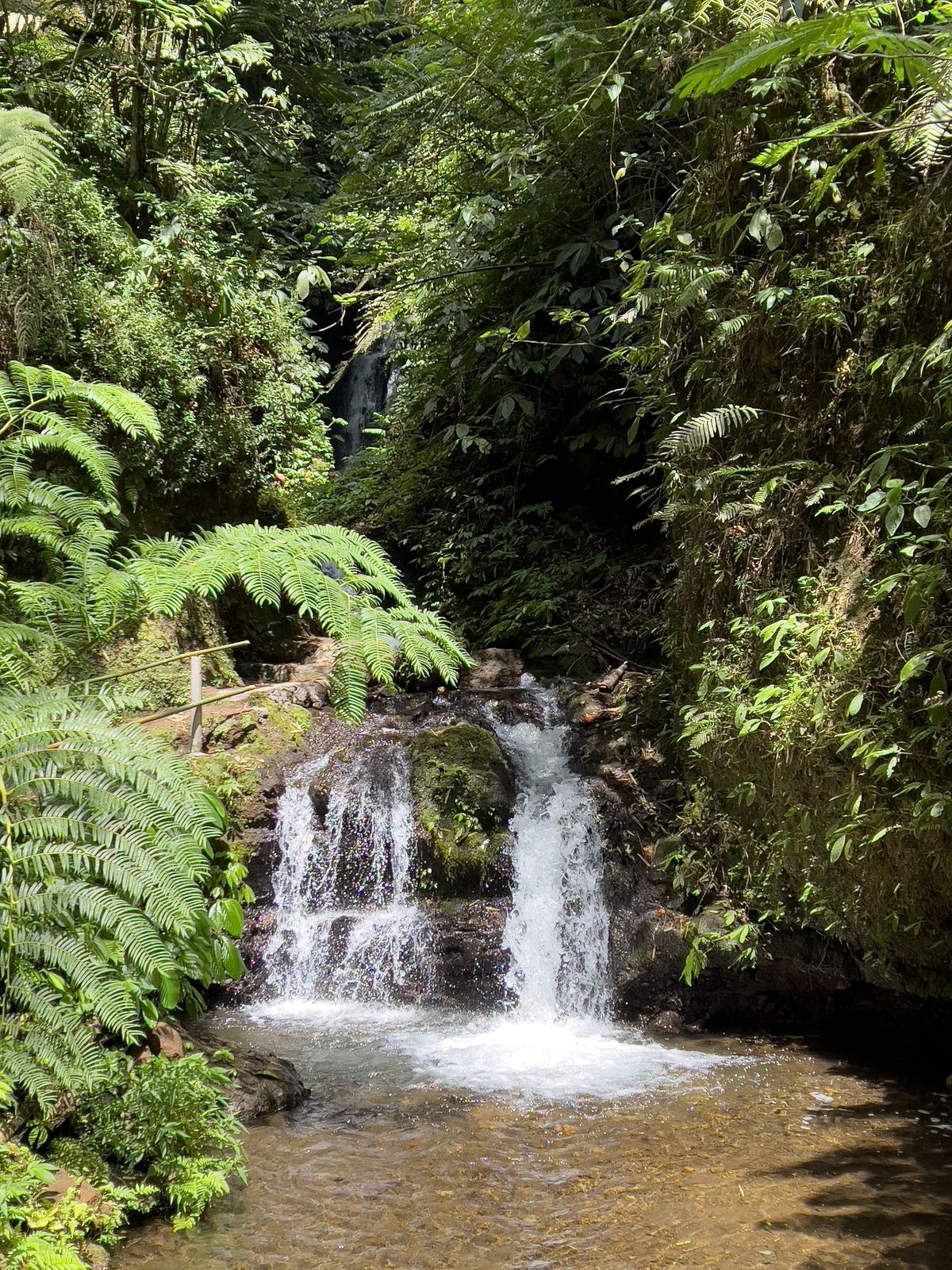 Photo: Stefan Fussan, CC BY-SA 3.0
Munduk & North Bali Highlands Guide
Bali's cool, waterfall-laced highlands — coffee country, twin lakes and jungle ridges two hours from the beach crowds.
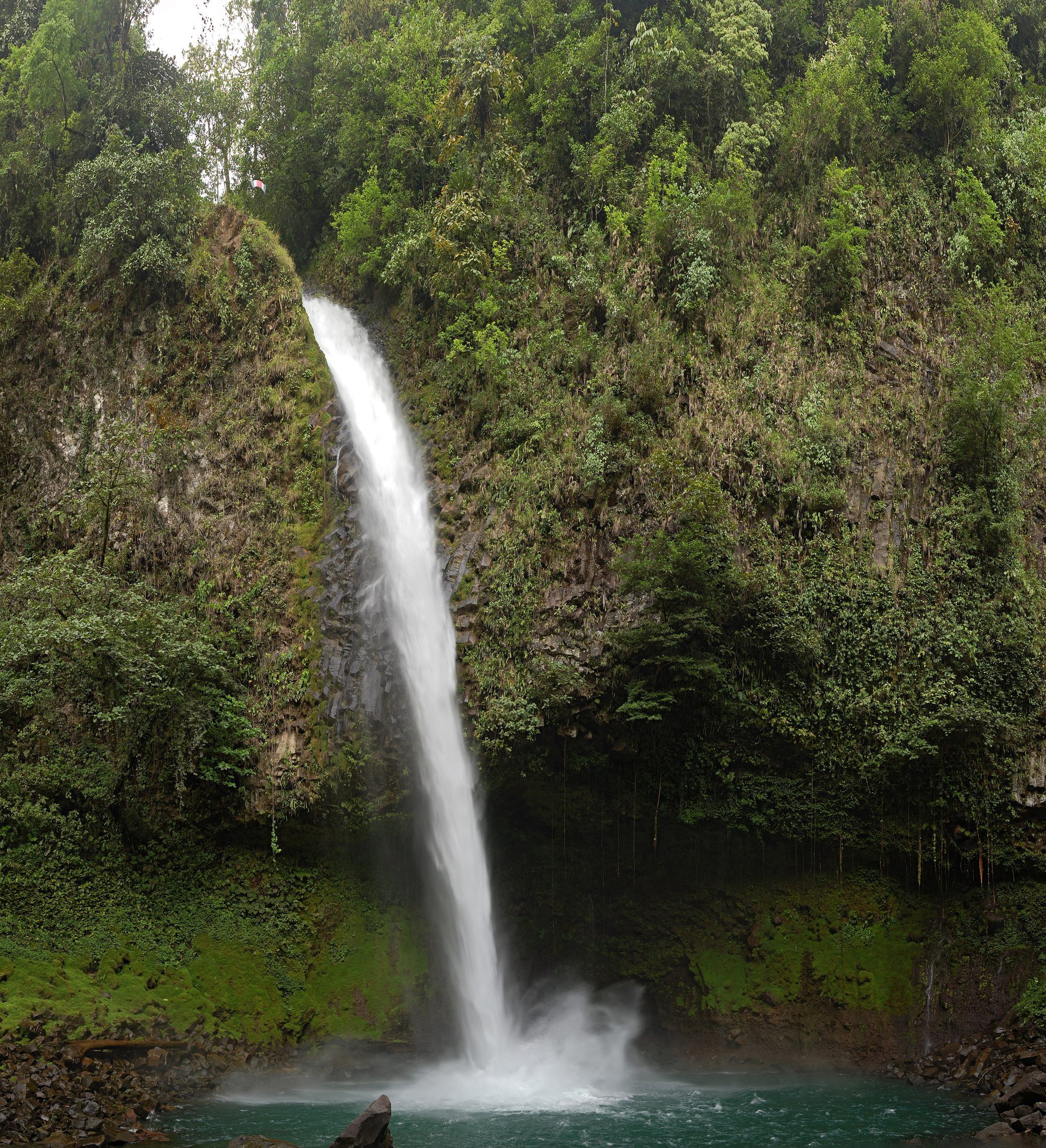 Photo: Derek Ramsey (Ram-Man), CC BY-SA 4.0
Find your own piece of the canopy.
Treehouses, bamboo houses and rainforest villas across 17 destinations — found, vetted and written up honestly.
Browse all destinations