Getting to Remote Jungle Stays: Logistics
Nobody markets the drive. The listing shows the treehouse, the plunge pool, the hammock over the river — and then, somewhere in the fine print or a follow-up email, you learn that the last stretch to get there involves a boat with no schedule, a 4x4 that only runs on Tuesdays, or a six-seater plane that weighs your bag on a hanging scale. That last mile is not an inconvenience bolted onto the trip. For most genuinely remote jungle stays, it is a real part of the trip — and the travellers who enjoy it most are the ones who knew what they were signing up for before they left home.
Why the last mile is different
Most travel logistics follow a predictable pattern: fly into a major airport, rent a car or take a transfer, arrive at a hotel with a driveway and a front desk. Remote jungle stays break that pattern on purpose, because the entire appeal of the property is that it sits somewhere a paved road, a scheduled bus or a commercial airport simply does not reach. The forest that makes the stay worth booking is the same forest that makes getting there complicated. That is not a design flaw. It is the trade-off you are making when you choose a lodge two hours upriver over a resort with valet parking.
What trips people up is not the difficulty of the journey itself — most last-mile transfers are genuinely manageable, even enjoyable, once you know what to expect. What trips people up is being surprised by it: missing a boat because a flight ran forty minutes late, showing up with a hard-shell suitcase that will not fit in a six-seater plane, or assuming a "transfer included" line in a booking confirmation means a driver will simply appear at the airport door. Nearly every one of those problems is avoidable with about twenty minutes of research before you book, which is the entire purpose of this guide.
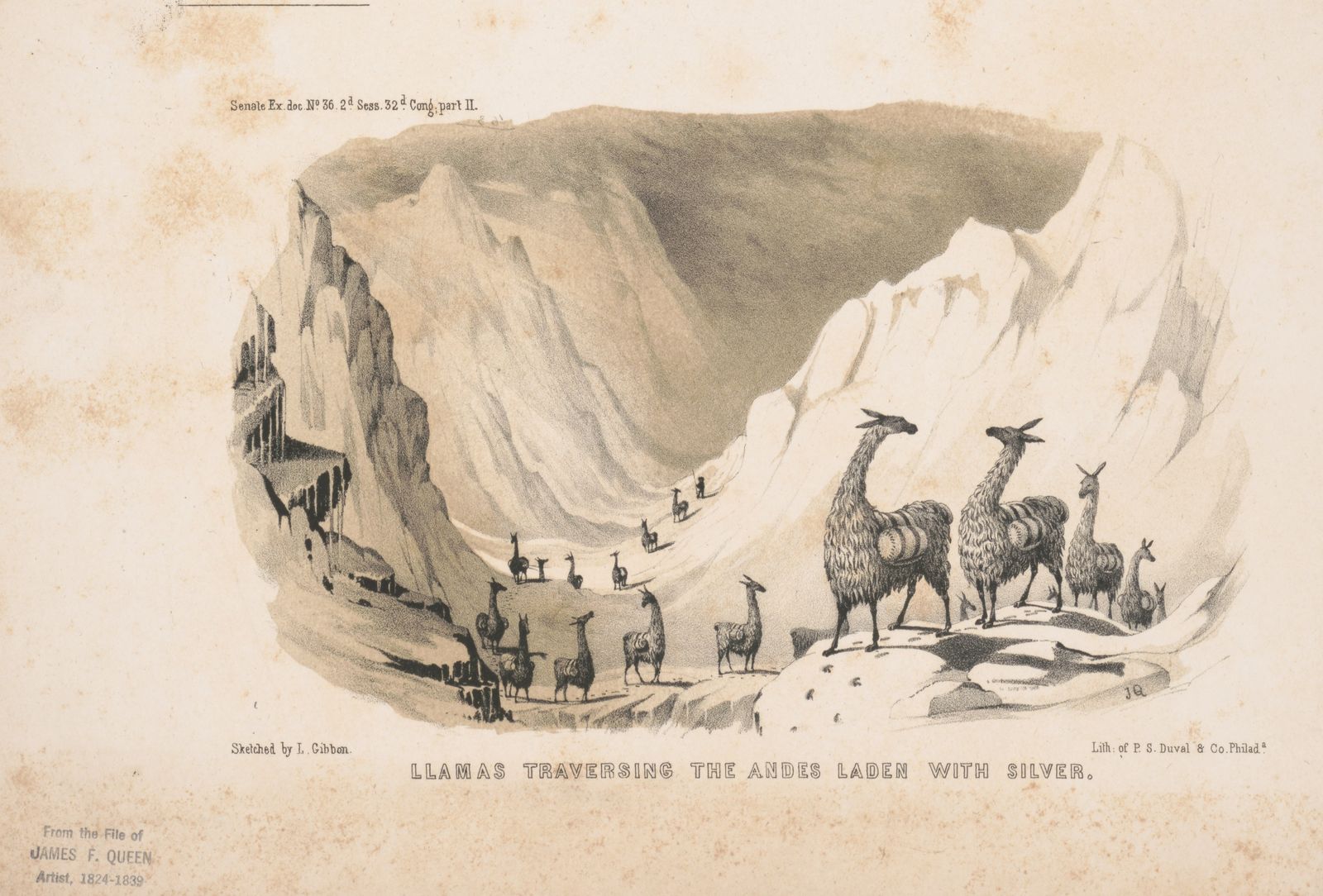
There is also a useful mental shift here. Treat the journey to a remote lodge as part of the itinerary, not a chore standing between you and it. A two-hour boat ride up a jungle river, watching the forest close in around the water, is often one of the best parts of the trip — travellers who have done the run to somewhere like Peru's Tambopata region consistently say the boat ride itself was a highlight, not an obstacle. The lodges that do this well know it, and increasingly build the transfer into the experience rather than apologizing for it.
Good to know
If a property's website or booking confirmation does not clearly explain how you physically get there, email and ask before you book — not after. A well-run remote lodge will have a detailed, specific answer (which airstrip, which dock, what time the boat leaves, what happens if you arrive late) rather than a vague "we'll arrange your transfer." Vague answers are the biggest single predictor of a stressful arrival.
The four ways in, and how to tell which one you'll need
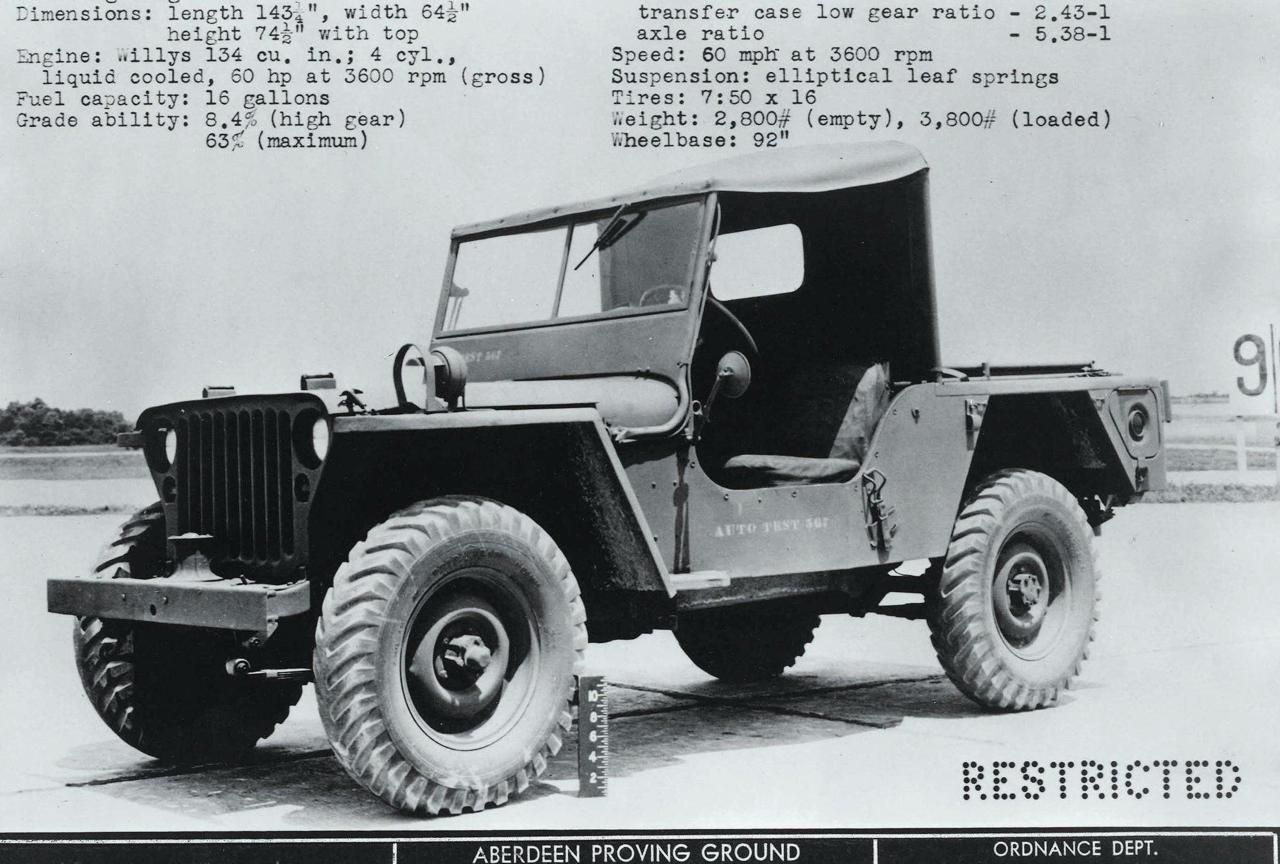
Nearly every remote jungle stay in the world is reached by some combination of four methods: a 4x4 or high-clearance vehicle on an unpaved or seasonally difficult road, a boat on a river, lake or coastline, a small fixed-wing plane landing on a dirt or grass airstrip, or — on the last stretch only, almost always — on foot. Many properties combine two of these: fly into a regional airport, then take a 4x4 to a dock, then a boat the rest of the way. Understanding which combination applies to your specific lodge is the single most useful thing you can learn before you book, because it determines your luggage, your timing, your budget and, frankly, how much of an adventure you are actually signing up for.
A rough way to think about it:
- 4x4 or overland-only access usually means the property is remote by distance and road quality rather than by genuine isolation — you can typically drive there in a rental or transfer vehicle, but it will take longer than the map suggests and the road may be impassable after heavy rain.
- Boat access usually means the property sits on a river, lagoon or coastline with no road connection at all, or none that's practical. This is the most common pattern for lodges deep in the Amazon basin and along Central America's Caribbean coast.
- Small-plane access usually means the property is far enough from any town that even a boat transfer would eat most of a travel day, or that the terrain simply does not support a river or road route. This is the least common of the three for jungle stays specifically (far more common in African savanna travel), but it does exist, particularly for Amazon lodges reached via a regional airstrip rather than a full day on the water.
- On foot is rarely the whole journey, but it is very often the final few hundred meters to a hundred meters — a walk from the dock or airstrip to the actual lodge, sometimes with porters, sometimes with your own bag on your own back. Ask about this specifically if mobility is a concern for anyone in your group.
The property's own website is usually the best source for exactly which combination applies, but listings are not always specific. If you cannot find clear transfer details, that is itself useful information: ask directly, and treat a lodge that cannot give you a clear answer about how you'll physically arrive as a minor yellow flag, regardless of how good the photos look.
The best remote lodges treat the transfer as part of the welcome, not an inconvenience they're managing around you. You can usually tell how well a property is run by how clearly they explain the journey before you've even paid a deposit.
Roads and 4x4 transfers
This is the most common way into a jungle stay, and the one most likely to lull you into a false sense of familiarity, because it looks like ordinary driving right up until it doesn't. A road that shows as a solid line on a map can be graded dirt, loose gravel, deeply rutted clay, or a track that fords a stream with no bridge — and the difference between "fine in a sedan" and "needs a genuine 4x4 with clearance" often comes down to how much it has rained in the last 48 hours, not what the map says.
What to expect
- Travel times run longer than distance suggests. Twenty-five miles on an unpaved jungle road can easily take an hour and a half, not the twenty-five minutes it would on a highway. Build in a buffer, especially for the final leg of a long travel day.
- Rental cars are often the wrong choice for the last stretch, even if they're fine for the rest of your trip. Many remote lodges either provide their own 4x4 transfer or explicitly recommend against attempting the final road in a standard rental, particularly in wet season. Ask before you assume your rental agreement even permits it — some rental contracts void coverage on unpaved roads entirely.
- River crossings without bridges are more common than you'd expect in tropical regions, and are usually fine in dry conditions and genuinely risky after heavy rain. Local drivers know which crossings are safe on a given day; you generally don't, which is the strongest argument for using a property's own transfer rather than self-driving the final stretch.
- Night driving on jungle roads is worth avoiding where you have the choice — wildlife on the road, poor or absent lighting, and drivers who know the route in daylight but not in the dark all compound the risk. Plan arrivals for daylight hours whenever the itinerary allows it.
The upside of road access, when it's available, is flexibility: you can often adjust your arrival time, stop along the way, and you're not locked into a single boat or flight departure. It's frequently the least expensive of the three main access methods too, since it doesn't require chartering a boat or plane specifically for your group.
Boats: rivers, canals and coastal access
Boat access is the defining feature of jungle travel across huge parts of the world — the Amazon basin in Peru and Brazil, the Caribbean canal network of Costa Rica's Tortuguero region, coastal stretches of Colombia, and river systems throughout Southeast Asia. In many of these places, there genuinely is no road alternative: the water is the road, and has been for longer than any highway has existed.
A well-documented example is Tortuguero, on Costa Rica's northern Caribbean coast, where the village itself has no roads connecting it to the rest of the country at all — arrival is by boat along a canal system or by small plane into the local airstrip, and once you're there, getting around town and to nearby lodges is by boat or on foot, full stop. It is one of the clearest illustrations anywhere of what "boat-only access" actually means in practice, and it is also one of the more approachable versions of it: the boat routes are well-established, run regularly, and the transfer itself has become part of what people go to Tortuguero for, since the canals are a genuine wildlife-watching opportunity in their own right.
Deeper into the Amazon, the boat transfer is often longer and more of a genuine expedition leg. Reaching some of the more remote lodges in Peru's Tambopata National Reserve from the regional hub of Puerto Maldonado typically involves roughly an hour by road to the river port, followed by two and a half hours or more by boat upriver — call it three and a half hours door to door, and longer for the most remote research-affiliated lodges further from the port. That is a real chunk of a travel day, and it shapes how most itineraries are built: you typically arrive by early afternoon at the latest to make the boat, and the return trip works the same way in reverse.
What to expect on a jungle boat transfer
- Life jackets are standard and worth actually wearing, even on calm-looking water — reputable operators require them, and it's a reasonable ask even where they don't.
- Bring a dry bag or dry sack for phones, passports and electronics. Open longtail and canoe-style boats common in jungle river travel offer little protection from spray, sudden rain, or the odd unexpected splash from a wake.
- Boat schedules are often tied to river levels and daylight, not a fixed timetable the way a bus would be. Low water in dry season can mean a longer, more roundabout route around sandbars; high water in wet season can mean a faster, more direct one — but also stronger current and, occasionally, a delayed departure if conditions are genuinely unsafe.
- Motion sensitivity is worth planning for on longer river or coastal legs, particularly on rougher coastal stretches rather than calm interior rivers. If you're prone to it, pack accordingly and ask the operator how rough the specific route tends to be.
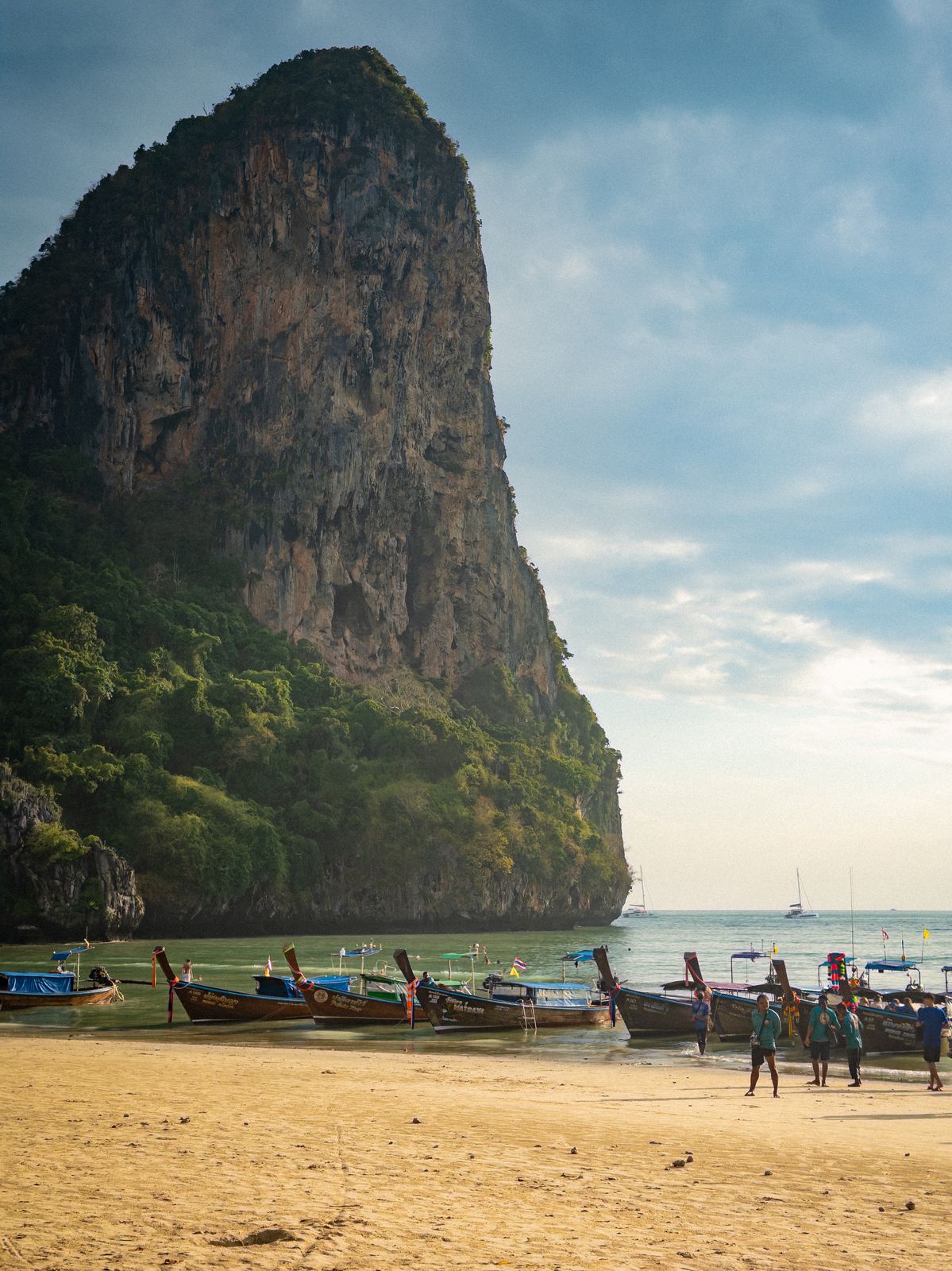
Coastal boat access, distinct from river access, shows up around parts of Costa Rica, in the Caribbean more broadly, and along stretches of Southeast Asian coastline near Thailand's forested islands. It behaves differently from river travel — tides, swell and weather windows matter more than river levels — but the core advice is the same: build in a buffer, pack a dry bag, and trust the local operator's read of conditions over your own instinct if they say a crossing should wait.
Small planes and jungle airstrips
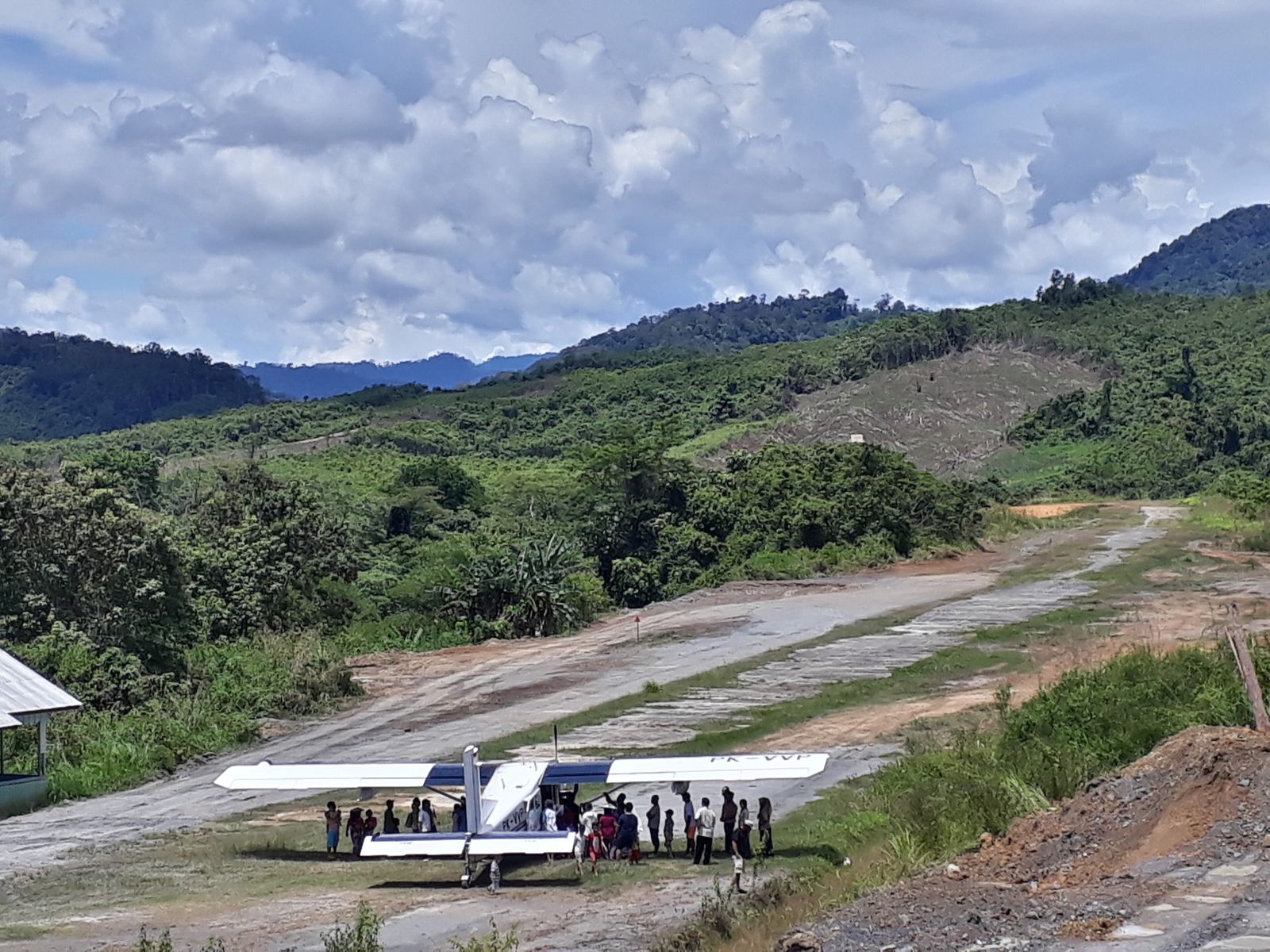
Small-plane access is less common for jungle stays specifically than it is for African safari travel, but it exists at the more remote end of the spectrum — regional airstrips serving Amazon lodges too far upriver for a same-day boat transfer, or coastal airstrips like Tortuguero's own, which cuts what would be a multi-hour drive-and-boat combination down to roughly an hour's flight from San José. Where it's available, it is almost always the fastest option and often the most expensive, particularly on routes with limited daily flights and correspondingly less price competition.
What's genuinely different about flying into a jungle airstrip
- Weight limits are real and enforced, more strictly than on a commercial jet. Small aircraft have small cargo holds, and operators typically set a firm per-passenger baggage allowance — sometimes noticeably lower than a standard checked-bag limit — because every extra kilogram is a kilogram of fuel or a kilogram of another passenger's luggage the plane can't carry. Ask your specific operator for the exact number well before you pack, not the week before you fly.
- Soft-sided bags are usually required, not just preferred. Hard-shell suitcases often will not fit through a small aircraft's cargo door or stack efficiently in a tight hold. A duffel or soft backpack that can flex into an irregular space is the standard recommendation across nearly every operator running these routes.
- Flights can be delayed or rescheduled around weather far more readily than commercial flights. A light aircraft that would fly through conditions a jet handles easily may not fly through the same conditions safely, and reputable operators will simply wait rather than push through marginal weather. Build a buffer day into your itinerary on either end of a small-plane leg if your onward connections are tight.
- Airstrips are often genuinely minimal — a grass or dirt strip, a small shelter, sometimes nothing more. This is completely normal and not a sign of a badly run operation; it's simply what a remote regional airstrip looks like in most of the tropical world.
Good to know
If your lodge's transfer includes a small-plane leg, pack your check-in bag as if the weight limit is real, because it is. Put anything essential — medication, a change of clothes, your passport — in whatever bag stays with you as a personal item, in case checked luggage ends up on a later flight due to a weight or space crunch. It happens occasionally, and it's a minor inconvenience if you've planned for it and a genuine problem if you haven't.
Region-by-region access notes
The mechanics above play out differently depending on where you're going. Here's how access tends to work across the regions travellers ask about most.
Costa Rica
Costa Rica runs the full range. The Caribbean side, especially Tortuguero, is boat-and-small-plane-only with genuinely no road connection to the village. The Pacific side, including the Osa Peninsula and the area around Corcovado National Park, mixes unpaved 4x4 roads with boat transfers for the more remote lodges, and some of the most isolated stays in the region — near Corcovado's Sirena ranger station, for instance — are reachable only by boat, small plane, or a long hike in. Arenal and the central highlands, by contrast, sit on paved or well-maintained roads and need none of this planning at all, which is worth knowing if you want jungle scenery without a complicated transfer.
Peru and the wider Amazon basin
Access here is built around the region's regional hub airports — Puerto Maldonado for Tambopata in Peru, Iquitos for the northern Peruvian Amazon, Manaus for Brazil's Amazonas — followed by road-and-boat or boat-only transfers to the lodge itself. This is the region where the "expedition leg" mindset matters most: transfers of three, four or more hours by boat are routine, schedules bend around river levels and daylight, and the trip out to the lodge is, by design, part of the experience rather than a hurdle before it.
Brazil
The Brazilian Amazon shares Peru's river-first access pattern, with the added factor of seasonal flooding that can raise river levels by several meters between low and high water. This changes not just how you travel (boat becomes even more essential in high water) but which routes and docks are usable at all at a given time of year — another reason to confirm current conditions directly with your lodge rather than relying on a general description.
Bali and Southeast Asia
Bali's jungle stays, concentrated around Ubud and the island's central highlands, are almost entirely road-accessible, if sometimes on narrow, winding routes through rice terraces and forest. Thailand's jungle regions follow a similar pattern on the mainland, with boat access becoming relevant mainly for forested islands and coastal national parks. This region overall requires less specialized planning than the Amazon or Costa Rica's Caribbean coast — the main adjustment is simply allowing more time for narrow, hilly roads than the map distance implies.
Mexico, Belize and the Maya jungle
Jungle stays around Tulum and the wider Maya jungle of the Yucatán are generally road-accessible, including some unpaved stretches near more remote cenotes and archaeological sites, but rarely require boat or small-plane transfers the way the Amazon does. The planning burden here is lighter, though rental-car quality and road conditions still vary more than a quick map check suggests.
Puerto Rico, Florida and Hawai'i
Puerto Rico's El Yunque rainforest, Florida's jungle-adjacent stays, and Hawai'i's rainforest regions are the most straightforward in this guide from a transport standpoint — all road-accessible, generally on well-maintained roads, with rental cars being the normal and sufficient way to get around. If a complicated last-mile transfer is not something you want to deal with on this trip, these three destinations are worth weighting more heavily for that reason alone.
Colombia and Sri Lanka
Colombia's Pacific coast and Amazonian regions lean toward boat and light-aircraft access similar to Peru and Brazil, while its more visited jungle towns like Minca are road-accessible with a 4x4 recommended for the final stretch. Sri Lanka's rainforest reserves are almost entirely road-accessible, generally on manageable if winding routes, and require the least specialized transport planning of any region covered here.
Packing for the transfer, not just the stay
Most jungle packing advice focuses on what you'll need once you've arrived. Equally important is what makes the journey itself easier, and it's a shorter, more specific list than you'd think.
- One soft-sided main bag, not a hard-shell suitcase, if there's any chance your route includes a small plane or a longtail boat. It's the single biggest quality-of-life difference on a multi-leg transfer, and it costs you nothing on the legs where a hard case would have been fine anyway.
- A dry bag or two, sized for a phone, passport, and a change of clothes, kept as a personal item rather than checked. Cheap, light, and the one thing that turns a surprise downpour on an open boat from a disaster into a non-event.
- Cash in small denominations of the local currency for any leg of the journey that isn't pre-paid — a boat driver, a porter, a snack at a river-port stall. Card readers and ATMs are rare to nonexistent at the actual points of transfer, even when they're common at your final destination.
- A printed or offline copy of your booking confirmation and transfer instructions. Cell signal frequently disappears exactly where you need it most — at the airstrip, the dock, the road junction where a driver is supposed to be waiting.
- Snacks and a refillable water bottle for transfer days that run longer than expected, which is common enough to plan for rather than hope against.
Our full packing guide for the jungle covers the complete list for the stay itself; this is specifically the short list for the day or two of actually getting there.
Weather, seasons and why your dates matter more than you think
Weather affects every one of the transport methods above, but it affects them in different, sometimes opposite, ways — which is exactly why a single "best time to visit" answer doesn't really exist for logistics purposes.
- Roads get worse in wet season and better in dry season, sometimes dramatically. An unpaved road that's a comfortable forty-minute drive in February can become a multi-hour slog, or genuinely impassable without a serious 4x4, after a heavy rainy-season storm.
- Rivers can go the opposite way. Low water in dry season can expose sandbars and rocks that force longer, slower boat routes or even prevent certain boats from running at all; high water in wet season can mean faster, more direct river travel, though with stronger current and, at the extremes, temporary safety-driven delays.
- Flights are the most weather-sensitive of the three. Small aircraft are grounded by conditions that a commercial jet would handle without comment, and remote-airstrip routes are the first thing cancelled or delayed when weather turns marginal.
The practical takeaway is not "avoid wet season" or "only travel in the dry months" — plenty of remote jungle stays are wonderful, and sometimes at their best, during the rainy season. It's to ask your specific lodge, for your specific dates, how their specific access route tends to behave at that time of year, and to build a buffer day into both ends of the trip if your transfer includes a small plane or a river crossing that's known to be seasonal. Our guide to jungle trip costs also touches on how seasonality affects transfer pricing, which tends to move in step with demand and, at some destinations, with weather-driven route changes.
Who arranges the transfer, and what it costs
"Transfer included" and "transfer arranged on request" are two very different things, and the gap between them is where most last-mile stress actually comes from. Before you book, it's worth confirming exactly what's covered:
- Fully included transfers are common at established remote lodges, particularly in the Amazon, where the property essentially has to run its own boat or vehicle service because there's no independent commercial alternative on that specific route. These are usually the smoothest experiences — a guide or driver meets you at a specific point, at a specific time, and the rest is handled.
- Partially included transfers often cover the specialized last leg (the boat or small plane) but not the regional flight or drive to the jumping-off point. Read the fine print for exactly where "included" starts and ends.
- Self-arranged transfers put the booking and cost in your hands entirely. This is more common for road-accessible properties in places like Bali or Sri Lanka, where a private driver or rental car is a normal, uncomplicated option, and less common for boat- or plane-access lodges, where the property is often the only realistic operator on that route.
Cost varies enormously by region and method — a shared road transfer might run a modest per-person fee, a private boat charter for a small group considerably more, and a small-plane leg on a limited-frequency route the most of all, sometimes rivaling the cost of the international flight that got you to the region in the first place. None of that is a reason to avoid remote lodges; it's simply a cost that belongs in your budget from the start rather than a surprise on arrival. If a listing's total price seems unusually low for how remote the property claims to be, a missing or underestimated transfer cost is one of the first things worth checking before you book — our guide to booking a jungle Airbnb covers the other questions worth asking at the same time.
When things go wrong: delays, missed connections and backup plans
Even well-planned transfers occasionally go sideways — a domestic flight runs late, a river is briefly too high to cross safely, a driver's vehicle breaks down on the access road. The difference between a minor delay and a genuinely stressful day usually comes down to how much slack you built into the schedule around it.
- Never book a same-day international flight home on the last day of a remote stay if your exit transfer involves a boat, small plane or seasonal road. Give yourself at least one buffer day, or an overnight in the regional hub city, before an international connection.
- Ask your lodge directly what their contingency plan is for a missed or delayed transfer connection — most established remote operators have handled this before and have a standard answer (an extra night at a partner hotel in the hub town, a later boat, a same-day alternate flight). A vague or surprised response to this question is worth taking seriously before you book.
- Keep a small cash reserve and your travel insurance details accessible, not buried in checked luggage, in case a delay means an unplanned night somewhere along the route.
- Share your itinerary with someone outside your travel party, including the name of the lodge and the general transfer plan, the same way you would for any trip into an area with limited connectivity. Our guide on what to expect from an off-grid jungle stay covers the connectivity side of this in more detail.
The honest reality is that the vast majority of transfers to remote jungle lodges go exactly as planned. The reason to prepare for the exceptions isn't because they're common — it's because when they do happen, a little planning turns a frustrating day into a mildly interesting story, rather than a genuine crisis.
Common questions
Do I need a 4x4 or can I use a normal rental car?
It depends entirely on the specific road and season, so ask the property directly rather than guessing from a map. Many remote lodges either provide their own transfer vehicle or explicitly advise against attempting the final stretch in a standard rental, especially in wet season — and some rental agreements void coverage on unpaved roads regardless of vehicle type.
How strict are luggage weight limits on small planes to jungle lodges?
Real, and generally stricter than a commercial flight's checked-bag allowance. Ask your specific charter or lodge operator for the exact limit before you pack, and bring a soft-sided bag rather than a hard-shell suitcase — small aircraft cargo holds are often too small or too irregularly shaped for hard cases to fit efficiently.
What happens if my boat or flight is delayed?
Established remote-lodge operators generally have a standard contingency — a later departure, an extra night at a partner hotel in the regional hub, or an alternate route — because delays happen often enough that they've planned for them. Ask about this specifically before you book, and avoid scheduling a same-day international connection right after a remote transfer.
Is the boat or plane ride actually enjoyable, or just something to get through?
For most travellers, genuinely enjoyable. A longtail boat gliding up a jungle river, or a short flight over unbroken canopy into a grass airstrip, is frequently cited as one of the best parts of a remote jungle trip rather than a hurdle before it — provided you've dressed for it, packed a dry bag, and aren't fighting a tight connection on the other end.
Can I arrange my own transfer instead of using the lodge's?
Sometimes, particularly for road-accessible properties with normal commercial alternatives nearby. For boat- or plane-access lodges, the property is often the only realistic operator on that specific route, since there's no independent commercial service running it. Confirm directly with the lodge which applies to your booking.
How much extra should I budget for the transfer itself?
It varies widely by region and method — a shared road transfer is typically inexpensive, while a private boat charter or a small-plane leg on a limited-frequency route can add a meaningful amount to your total trip cost. Treat it as a real line item when budgeting rather than an afterthought; our jungle trip cost guide breaks this down further.
None of this is meant to make a remote jungle stay sound harder than it is. The overwhelming majority of travellers who take a boat, a bumpy 4x4 ride or a short flight into the forest arrive exactly on schedule, a little windblown, and already talking about the journey as part of the trip rather than the obstacle before it. The planning above exists to make sure you're one of them — not surprised by a weight limit at the airstrip, not stranded at a dock because a flight ran late with no buffer day behind it. If you're still choosing where to go, our full destination directory is the place to start, and once you've settled on somewhere, our guides on is the jungle safe? and the best jungle Airbnbs in the world are worth reading alongside this one before you book.
- My Tan Feet, How to Get to Tortuguero by Boat and Plane — confirms Tortuguero has no road access and is reached only by boat or small plane.
- Fly Adventure Air, Tortuguero Air Charters — background on domestic flight access to Tortuguero's local airstrip.
- Rainforest Expeditions, How to Get to Tambopata — road-and-boat transfer times from Puerto Maldonado to Tambopata lodges, Peru.
- Rainforest Expeditions, Tambopata Research Center — example of a remote Amazon lodge reached by combined road and river transfer.
- Global Charter, How Much Luggage Can I Take on a Private Jet? — background on baggage capacity constraints for small charter aircraft.
- Tortuguero National Park — background on the park's canal-based transport network and lack of road access.
More from the Journal.
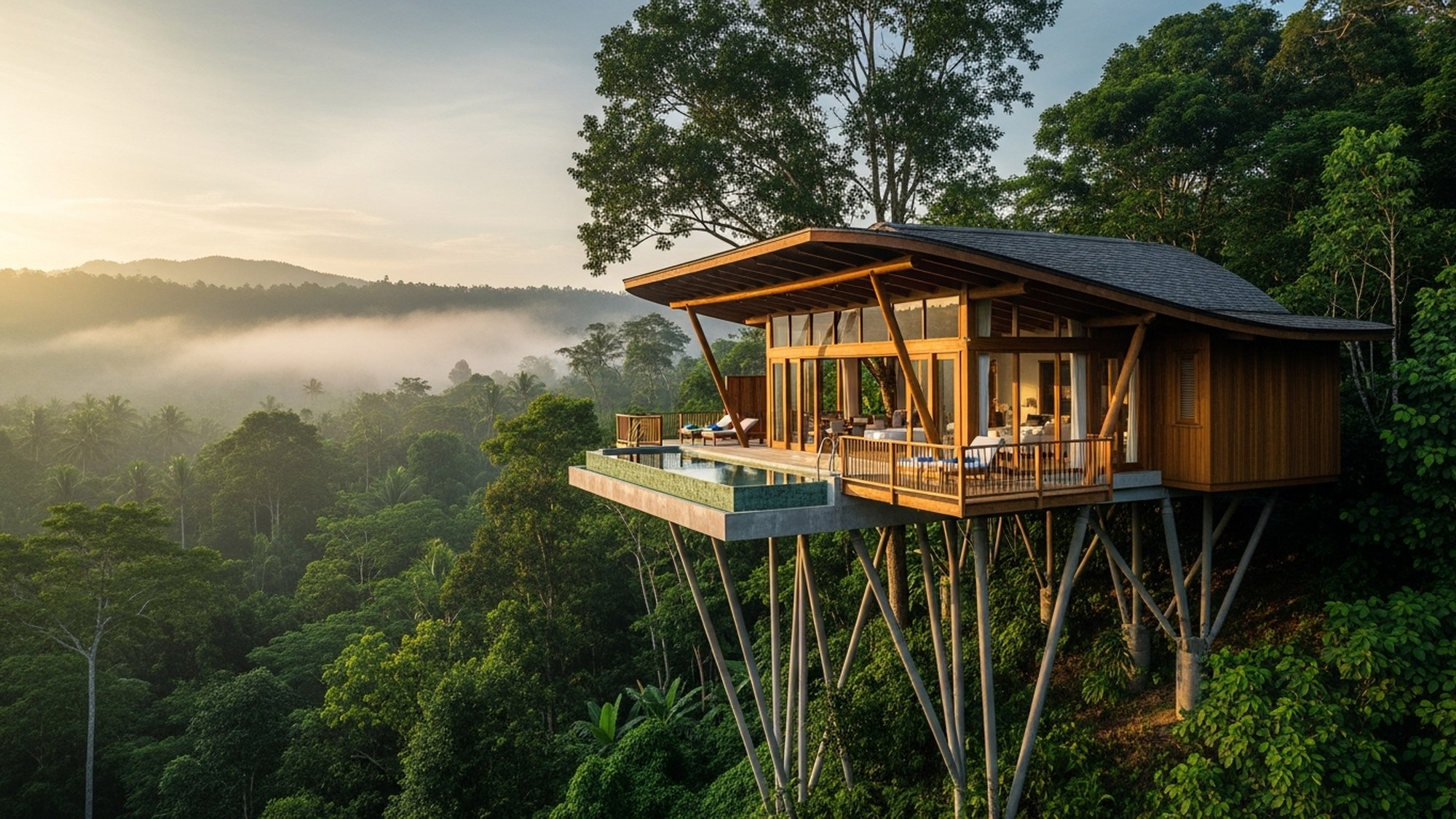
How to Start a Jungle Airbnb
The complete, honest guide to building and running a treehouse, bamboo house or rainforest villa — from choosing a country and the land laws to off-grid systems, budgets, and getting booked.
 Photo: Gregory Heath, CSIRO, CC BY 3.0
Why Jungle Stays Are Booming
The data behind the treehouse boom: four shifts in how the world travels are all converging on the forest — and it looks structural, not a fad.
 Photo: Vyacheslav Argenberg, CC BY 4.0
When to Visit the Jungle: A Season-by-Season Guide
There's no single best time to visit 'the jungle' — because it isn't one place. Here's when to go, region by region, with a month-by-month cheat sheet.
 Photo: Derek Ramsey (Ram-Man), CC BY-SA 4.0
Find your own piece of the canopy.
Treehouses, bamboo houses and rainforest villas across 17 destinations — found, vetted and written up honestly.
Browse all destinations