
Jungle Stays With Kids: A Family Guide
The pitch sounds great until about day two: no screens, no wifi anxiety, and a howler monkey doing the alarm clock's job better than any app. Then a kid gets a mosquito bite that looks worse than it is, the humidity turns everyone cranky by 2pm, and you're googling "is this rash normal" from a lodge with one bar of signal. Jungle travel with kids is genuinely one of the best trips a family can take — it just rewards planning in a way a beach resort doesn't. This is the honest version: which ages actually work, what to prepare for, which kind of stay suits which family, and the real answers to the worries that keep parents from booking in the first place.
Is the jungle actually a good trip for kids
Yes, more often than most parents assume, and for a specific reason: the jungle does the entertaining for you. A beach vacation depends on a family bringing its own activities — books, toys, a plan for the inevitable "I'm bored." A jungle stay comes pre-loaded. There's a toucan outside the window, a trail of leafcutter ants crossing the deck, a river to watch for caimans. Kids who won't sit still for a museum will happily watch a spider monkey for twenty minutes, because it's not a display behind glass, it's actually happening a few meters away and might do something unexpected next.
The honest caveat is that "the jungle" isn't one experience, and the trip that works for a six-year-old is not the trip that works for a fourteen-year-old, and the trip that works for either is not automatically the trip built for two adults on a honeymoon. Humidity, biting insects, long transfer times and limited medical access are all real, and none of them disappear because you're traveling with children — if anything they matter more. The families who come back saying it was the best trip they've taken are almost always the ones who matched the destination and the property to their kids' actual ages and tolerance, not the ones who booked the most photogenic lodge and hoped for the best.
What ages actually work, and what changes by age
There's no hard cutoff where the jungle switches from off-limits to fine — infants have made the trip successfully, and so have teenagers who'd rather be anywhere else. But the shape of the trip changes a lot by age band, and being honest about that upfront saves a lot of disappointment mid-trip.
Babies and toddlers (0–3)
This is the hardest band, not because it's unsafe done right, but because almost none of the appeal lands on a kid this young. A toddler doesn't care about a scarlet macaw; a toddler cares about nap schedule, familiar food and not being covered in bug spray. If you're traveling with this age group, the CDC's family-travel guidance is unambiguous on one point that surprises a lot of parents: no insect repellent of any kind on infants under two months old — mosquito netting over the stroller or carrier is the only protection recommended at that age. Past two months, DEET and picaridin are both considered safe by the American Academy of Pediatrics, just applied sparingly and kept off a young child's hands. A trip in this age band works best as a short, low-key add-on to a bigger itinerary — a couple of nights at an easy, well-serviced lodge rather than a deep, off-grid week.
Young kids (4–8)
This is where jungle travel genuinely starts to click. Kids in this range are old enough to walk a real trail, follow simple safety rules, and get properly excited about wildlife, but young enough that a lodge's kids' program or a guide's storytelling still holds their attention better than a phone would. It's also the age band where a lot of lodges start setting their own minimums: Costa Rica's Lapa Rios welcomes children from six, and general-interest activities like short guided walks and butterfly gardens are built with exactly this age in mind. Zip-lining is usually the first real limiter here — most canopy courses set a rough floor around 50 to 80 pounds or roughly eight to ten years old, with lighter kids often allowed to ride tandem strapped to a guide.
Older kids and tweens (9–12)
This is the age where a family can start doing the more serious activities together rather than splitting into a kids' group and an adults' group. Whitewater rafting is the clearest example: trips on gentle Class I–II water are commonly open from around age seven, but Class III water typically sets a minimum age of twelve, and Class III–IV pushes that to fourteen with prior experience recommended. Longer guided hikes, night walks and multi-day lodge stays in more remote settings — Peru's Tambopata reserve or Borneo's river lodges, for instance — tend to work well for this age group specifically because the kids are old enough to actually process what they're seeing.
Teenagers (13+)
Teenagers can do essentially anything an adult can on a jungle trip, age and weight limits included, and the real challenge shifts from physical readiness to buy-in. A jungle stay competes directly with a beach club or a city trip for a teenager's enthusiasm, and it tends to win when there's a genuine adrenaline element — real rafting, a multi-day trek, a night walk with a real chance of spotting something dramatic — rather than a passive nature-watching itinerary built for younger siblings.
Good to know
Almost every age limit you'll run into on a jungle trip is set by the activity, not the destination — a lodge itself will usually take a family of any age, but the zip line, the rapids or the night trek attached to it might not. Ask about activity-specific minimums when you book, not just whether the property is "family-friendly."
Health and safety prep before you go
The preparation that actually matters for a family jungle trip is less dramatic than most parents expect, and it starts weeks before departure, not the night before you pack. A visit to a travel medicine clinic four to six weeks out is the single highest-leverage step, and it's worth going in with your actual itinerary in hand — malaria and yellow fever risk vary enormously by specific region, not just by country, and a doctor needs to know whether you're spending three days in a well-developed tourist zone or a week in remote lowland rainforest to give you useful advice. Our companion guide on malaria, vaccines and health for jungle travel goes deeper into how that risk breaks down region by region.
Insect repellent deserves more attention than it usually gets, mostly because the rules genuinely change by age. Products with DEET or picaridin are considered safe for children over two months with no upper age limit, and the American Academy of Pediatrics recommends the lowest effective concentration for young kids — generally 20 to 30 percent DEET, applied sparingly and never on a young child's hands, which tend to end up in mouths. Picaridin at 20 percent protects for roughly eight to twelve hours, longer than most families expect from a single application. One repellent to actively avoid with younger kids: oil of lemon eucalyptus and its synthetic version, PMD, aren't recommended for children under three.
A short, practical checklist
- Book a travel medicine consultation 4–6 weeks out and bring your actual day-by-day itinerary, not just the country name.
- Pack pediatric-strength DEET or picaridin repellent, and apply it to clothing as well as skin where possible.
- Bring or request mosquito netting for cribs, carriers and beds if traveling with an infant under two months.
- Confirm your lodge provides filtered or bottled water as standard — most established properties do, but it's worth asking rather than assuming.
- Pack a basic kids' first-aid kit: children's fever reducer, an antihistamine for bites, adhesive bandages and any prescription medication with several days' buffer.
- Ask your lodge directly how far the nearest clinic or hospital is and how they'd get you there — a five-minute question that tells you a lot about how prepared a property actually is.
For the full, honest breakdown of jungle risk in general — snakes, water, getting lost, and what's actually statistically likely versus what just sounds scary — see our guide on whether the jungle is safe. Almost none of it changes fundamentally with kids in the group; it just means you're the one managing it for someone who can't yet manage it themselves.
Lodge or whole-home rental — which suits your family
This is the single biggest decision a family makes when booking a jungle trip, more than region or even age. A staffed lodge comes with a built-in safety net: someone has already thought through pool depth, screened windows, what to feed a kid who won't eat anything green, and who to call if a fever spikes at midnight. Properties like Peru's Refugio Amazonas, deep in the Tambopata National Reserve, build a dedicated children's area into the lodge itself, and La Selva Jungle Lodge in Ecuador's Amazon runs a Junior Naturalist Program specifically so kids have guided activities rather than a schedule built for adults that they're expected to sit through. That structure is worth more with young kids in the mix than it would be on a couple's trip, which is exactly why lodges tend to dominate any honest family-focused shortlist.
A whole-home rental flips the trade. You get an actual kitchen, real space to spread out without negotiating a shared pool schedule with strangers, and often a lower nightly cost for the same square footage, since you're not paying for restaurant staff or a full program you may not use. The catch is that you become the entire safety system — no on-call guide, no lifeguard, no one who already knows which trail floods after rain. That suits a family with older, independent kids, or one traveling with a nanny or grandparent to help cover supervision. For toddlers, or a first trip to deep rainforest, we'd point most families toward a staffed lodge. Our guide on how to book a jungle Airbnb covers exactly what to check before committing either way, and our related ranking of the best jungle Airbnbs for families lists specific properties across both categories if you want a shortlist rather than a framework.
The best family jungle stays don't try to keep kids busy. They put real forest close enough that the kids do that job themselves.
What "kid-friendly" jungle activities actually look like
The phrase "kid-friendly" gets stretched to cover everything from a genuinely thoughtful children's program to a couple's spa property that simply doesn't say no to families. The real version, at a lodge that means it, usually includes a handful of specific things. Short, guided day walks scaled to a kid's attention span and stamina — thirty to ninety minutes, not a four-hour trek — with a naturalist guide who knows how to narrate for a seven-year-old rather than a birding club. A butterfly garden or small wildlife rescue area on-site, giving guaranteed sightings on days when the deep forest doesn't cooperate. A pool, ideally with a shallow end and clear sightlines, since that's realistically where a lot of a family's downtime happens regardless of how good the jungle programming is.
Beyond the property itself, a few activities show up again and again on genuinely good family jungle itineraries. Canopy walks and suspension bridges are close to universally popular across age groups — thrilling at a kid's scale, and generally built with solid railings that make them far tamer than the view suggests. Night walks with a guide are another standout, since a surprising amount of jungle wildlife is nocturnal and a flashlight tour turns "we didn't see anything today" into the best story of the trip. River trips by canoe or small boat tend to work well too, combining movement, wildlife-spotting and a break from walking in humidity that wears kids out faster than adults expect.
Activities to check the fine print on
- Zip-lining / canopy tours — usually gated by weight (roughly 50–80 lbs) more than a strict age, with tandem rides available for lighter kids at many operators.
- Whitewater rafting — gentle Class I–II water often opens from around age seven; Class III typically requires twelve and up, Class III–IV fourteen and up with experience.
- Multi-day treks — better suited to kids nine and up who can sustain a full day of walking in heat and humidity without it turning into a meltdown.
- Wildlife-viewing hikes to see orangutans, monkeys or big cats — genuinely good for almost any age since they're guide-paced and low-exertion, though sightings are never guaranteed regardless of age.
Packing for kids in the jungle
Jungle packing for kids overlaps a lot with jungle packing for adults, with a few additions that matter more when the traveler is smaller and less able to self-regulate temperature, hydration or sun exposure. Closed, sturdy shoes are non-negotiable for both day and night — sandals are the single most common cause of minor jungle injuries in kids, from stubbed toes on roots to insect bites on exposed feet. Lightweight, long sleeves and trousers in a breathable fabric do double duty against sun and mosquitoes, and matter more for kids than adults since children generally can't tell you their sunscreen or repellent has worn off until they're already burned or bitten.
A practical packing list
- Closed shoes for every kid — one sturdy pair, one that can get wet (river sandals or aqua shoes).
- Lightweight long sleeves and trousers for evenings, plus a rain shell — most jungle climates deliver a downpour most days.
- Pediatric-strength repellent (DEET or picaridin) and mineral sunscreen, applied in that order.
- A dry bag or two — for phones, documents and anything that can't handle a sudden storm or a canoe splash.
- A refillable water bottle per kid, plus electrolyte packets — dehydration creeps up faster in humidity than most parents expect.
- A basic kids' first-aid kit and any regular medication, packed with several extra days' buffer in case of delays.
- A headlamp or small flashlight per kid — night walks are one of the best activities on this list, and kids love having their own light.
- One or two low-tech entertainment items for transfers and downtime — cards, a small notebook, nothing that needs charging.
Our full packing guide, what to pack for a jungle trip, covers the adult side of this list in more depth, including what's usually provided by lodges versus what you should actually bring yourself.
Region-by-region notes for families
Costa Rica is the easiest first jungle trip for most families, and it shows in how much family-specific infrastructure exists there — lodges with dedicated kids' programs, well-marked trails, and a tourism industry built around exactly this kind of visitor. It's a sensible starting point if this is your family's first trip into real rainforest.
Peru splits sharply by region. Lima and the highlands carry essentially no jungle-specific planning burden, while the lowland Amazon around Tambopata and Madre de Dios is genuine rainforest, with lodges like Refugio Amazonas built specifically to handle families in a remote setting. This suits families with kids nine and up who can handle longer travel days to get there.
Bali offers a gentler version of "jungle" than deep rainforest — river valleys, rice terrace walks and garden-adjacent stays around Ubud that are genuinely easier with young kids, plus a real town nearby with pharmacies and clinics if something comes up.
Thailand, particularly Khao Sok National Park, combines rustic riverside stays with organized family activities like waterfall hikes and observation-based elephant sanctuary visits, and tends to suit families comfortable with a more basic, bungalow-style stay in exchange for genuinely old-growth rainforest.
Puerto Rico is worth a specific mention for families not ready for a full international jungle expedition. El Yunque, the only tropical rainforest in the US National Forest System, is reachable as a day trip from San Juan with paved and well-maintained trails, making it one of the lowest-friction ways to give young kids a real rainforest experience without the logistics of a remote lodge.
Brazil and the wider Amazon basin carry more real disease-risk planning than Costa Rica or Bali, and lodges tend to be more remote from hospital care — worth weighing carefully for families with younger kids or existing health conditions, and a strong case for the travel medicine consultation mentioned earlier.
Wherever you land, the full destinations directory is the fastest way to compare regions side by side rather than guessing from a handful of blog posts.
No screens, real boredom, and a realistic daily pace
The "no screens" appeal of a jungle trip is real, but it's worth being honest about what actually replaces the screen, because it isn't nonstop wonder. There will be a rain delay, a long transfer, an afternoon where the wildlife simply isn't cooperating, and a bored kid in the middle of it. The families who handle this best don't try to out-program the jungle with a packed itinerary; they build in real downtime — a hammock, a deck, a pool — and let the actual rainforest fill in the gaps on its own schedule rather than a parent's.
Humidity and heat are the other pacing factor that catches families off guard. Kids overheat and dehydrate faster than adults in tropical conditions, and the first day or two of any trip should be treated as an adjustment period rather than the moment to attempt the longest hike on the itinerary. Most good lodges already build this flexibility into their schedules — shorter morning activities before the heat peaks, a long midday break, activities picking back up in late afternoon — and it's worth asking about the daily rhythm when you book rather than assuming every hour of daylight is programmed.
The realistic version of "no screens" isn't total abstinence, either. Plenty of families land somewhere in between: no devices during activities and meals, but a movie during a long rain delay or a flight isn't a failure of the trip. The point isn't purity, it's that a rainforest, done right, gives a kid enough real stimulation that the screen stops being the default the way it is at home — which is a genuinely different outcome than simply banning it and hoping.
Common questions
What's the youngest age a kid can go on a jungle trip?
There's no strict cutoff, and families do travel with infants, but it's the hardest age band to plan well. The CDC recommends no insect repellent under two months old, relying on mosquito netting instead, and most of the appeal of a jungle trip doesn't land on a child this young. A short stay at an easy, well-serviced lodge works better than a deep, off-grid itinerary for babies and toddlers.
Is it safe to bring kids to the jungle because of malaria or other diseases?
It depends heavily on the specific region, not just the country — plenty of popular jungle destinations, including most of Costa Rica's tourist areas, carry negligible malaria risk. A travel medicine consultation that reviews your actual itinerary is the only reliable way to know for sure; see our full malaria and vaccines guide for the region-by-region breakdown.
What insect repellent is actually safe for kids?
DEET and picaridin are both considered safe by the American Academy of Pediatrics for children over two months old, applied sparingly and kept off young kids' hands. The AAP recommends the lowest effective concentration — generally 20–30% DEET — for young children. Oil of lemon eucalyptus isn't recommended under age three.
Should we book a staffed lodge or a private jungle house with young kids?
For most families with kids under about ten, a staffed lodge is the easier, safer choice — someone has already thought through pool safety and what happens if a child gets sick. A whole-home rental suits families with older, more independent kids or enough adults along to cover supervision without outside help.
What's the single most useful thing to pack that parents forget?
A headlamp for each kid. Night walks are consistently one of the best jungle activities for children, and having their own light rather than sharing a parent's makes a bigger difference to how much they enjoy it than almost anything else on a packing list.
Do all jungle activities have age limits?
Most of the higher-adrenaline ones do — zip-lining is usually gated by weight around 50–80 lbs, and whitewater rafting scales from roughly age seven on gentle water up to sixteen and older for serious rapids. Guided walks, canopy bridges and wildlife-viewing hikes are generally open to any age a family feels comfortable bringing.
A jungle trip with kids asks a little more of the planning than a beach week does, and gives back more than most families expect once they're there. Pick the region and the property with your kids' actual ages in mind rather than the prettiest photos, do the unglamorous prep — the travel medicine visit, the right repellent, the closed shoes — and the trip mostly runs itself from there. For the honest version of what to worry about and what not to, our guide on whether the jungle is safe is a good next stop, and if you're still deciding where to go, browse the full destinations directory to compare regions before you commit to one.
- CDC Yellow Book — Traveling Safely with Infants and Children — insect repellent age restrictions for infants under two months and general family travel health guidance.
- CDC Yellow Book — Mosquitoes, Ticks, and Other Arthropods — repellent active ingredients and protection guidance.
- HealthyChildren.org (American Academy of Pediatrics) — How to Choose an Insect Repellent for Your Child — DEET concentration recommendations and oil of lemon eucalyptus age restriction for children.
- Costa Rica Guide — Kid's Ages for Costa Rica Activities — zip-line weight/age thresholds and whitewater rafting age tiers by rapid class.
- Jacada Travel — Best Family-Friendly Lodges in Costa Rica — Pacuare Lodge and Lapa Rios minimum-age policies.
- World of Travels with Kids — Refugio Amazonas Review — dedicated children's area and family setup at this Tambopata reserve lodge.
- La Selva Jungle Lodge — Amazon Family Adventure — Junior Naturalist Program details.
- Rimba Orangutan Ecolodge, Tanjung Puting — family-oriented orangutan viewing lodge in Borneo.
More from the Journal.
How to Start a Jungle Airbnb
The complete, honest guide to building and running a treehouse, bamboo house or rainforest villa — from choosing a country and the land laws to off-grid systems, budgets, and getting booked.
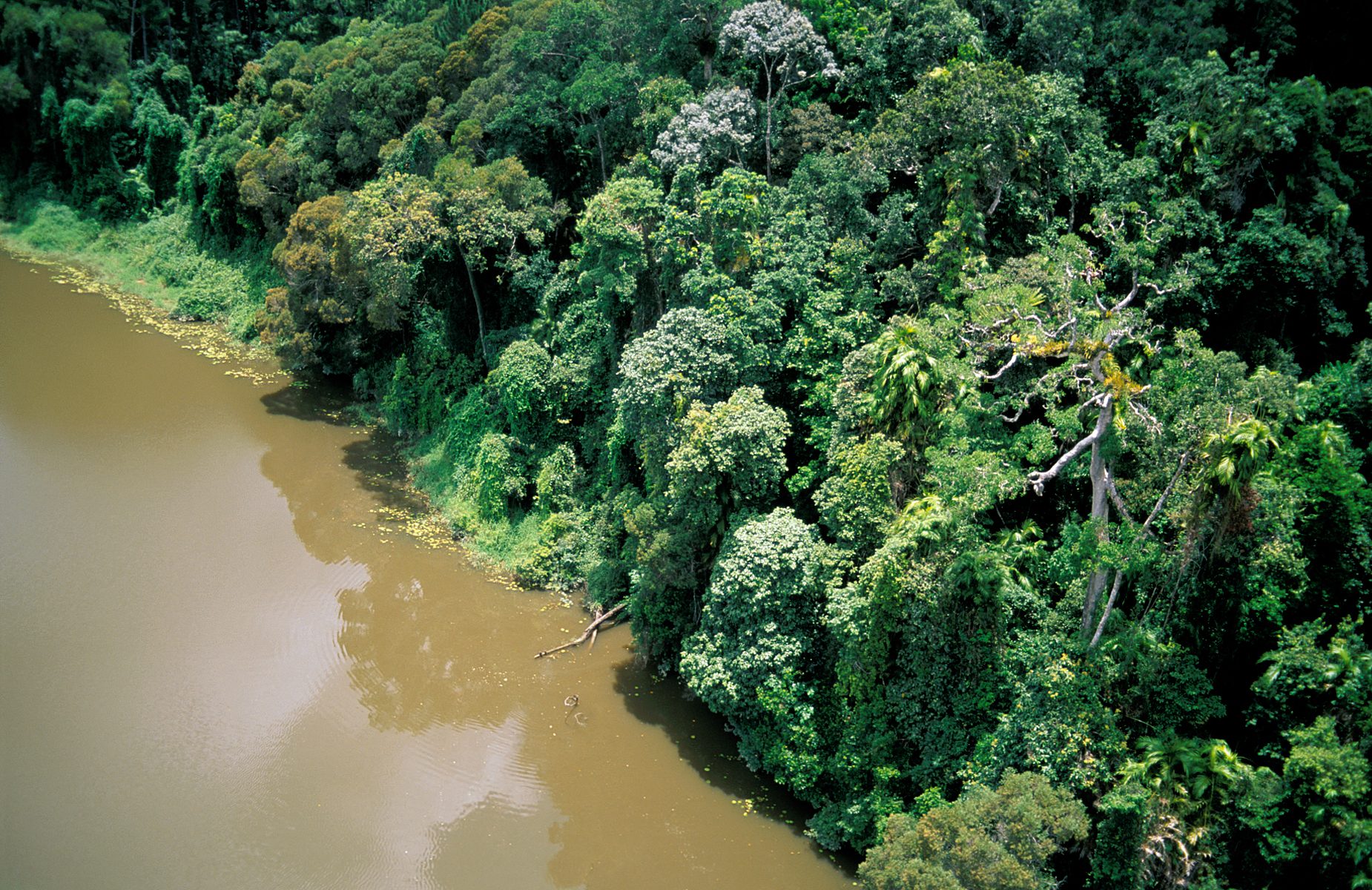 Photo: Gregory Heath, CSIRO, CC BY 3.0
Why Jungle Stays Are Booming
The data behind the treehouse boom: four shifts in how the world travels are all converging on the forest — and it looks structural, not a fad.
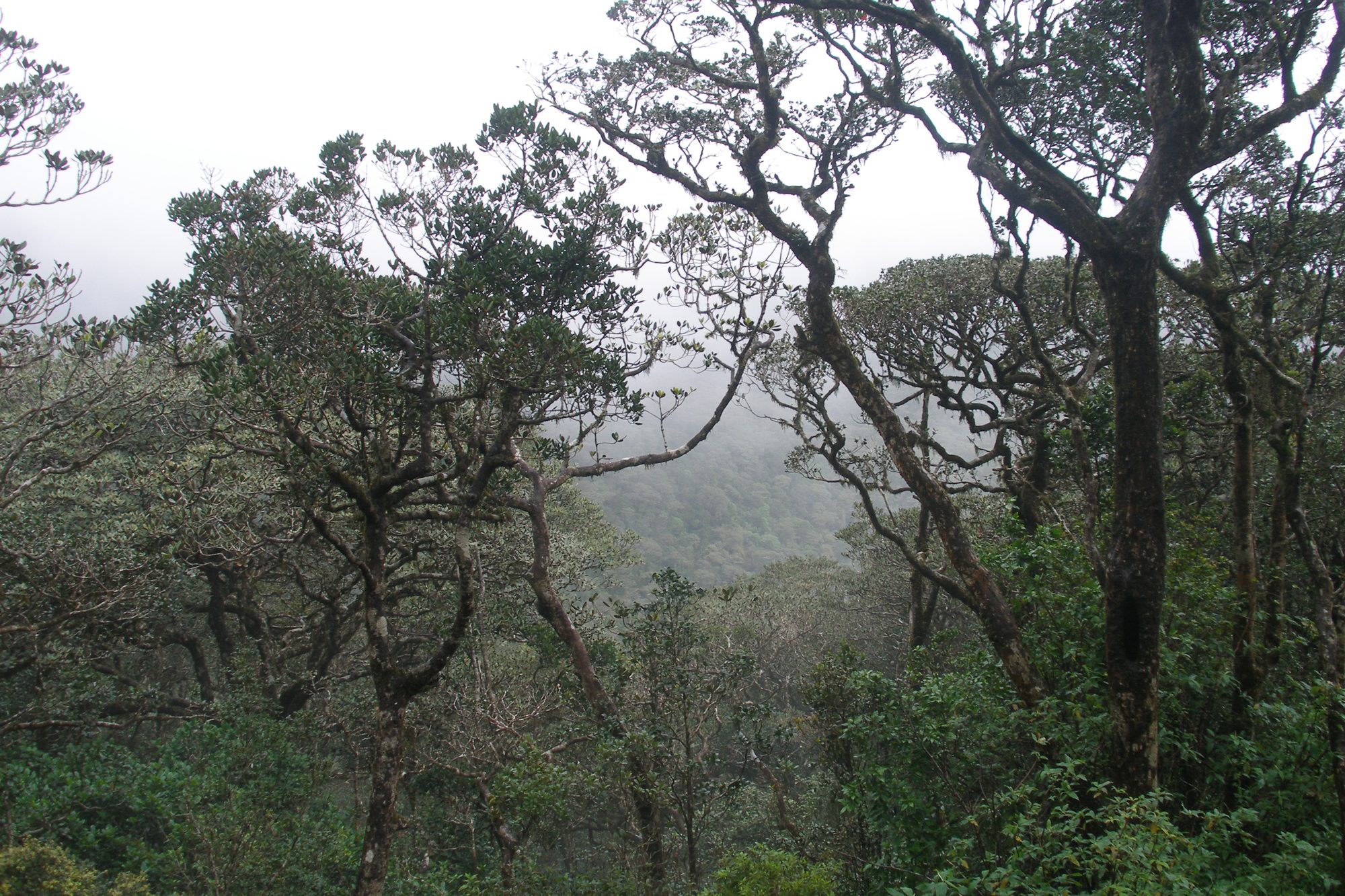 Photo: Vyacheslav Argenberg, CC BY 4.0
When to Visit the Jungle: A Season-by-Season Guide
There's no single best time to visit 'the jungle' — because it isn't one place. Here's when to go, region by region, with a month-by-month cheat sheet.
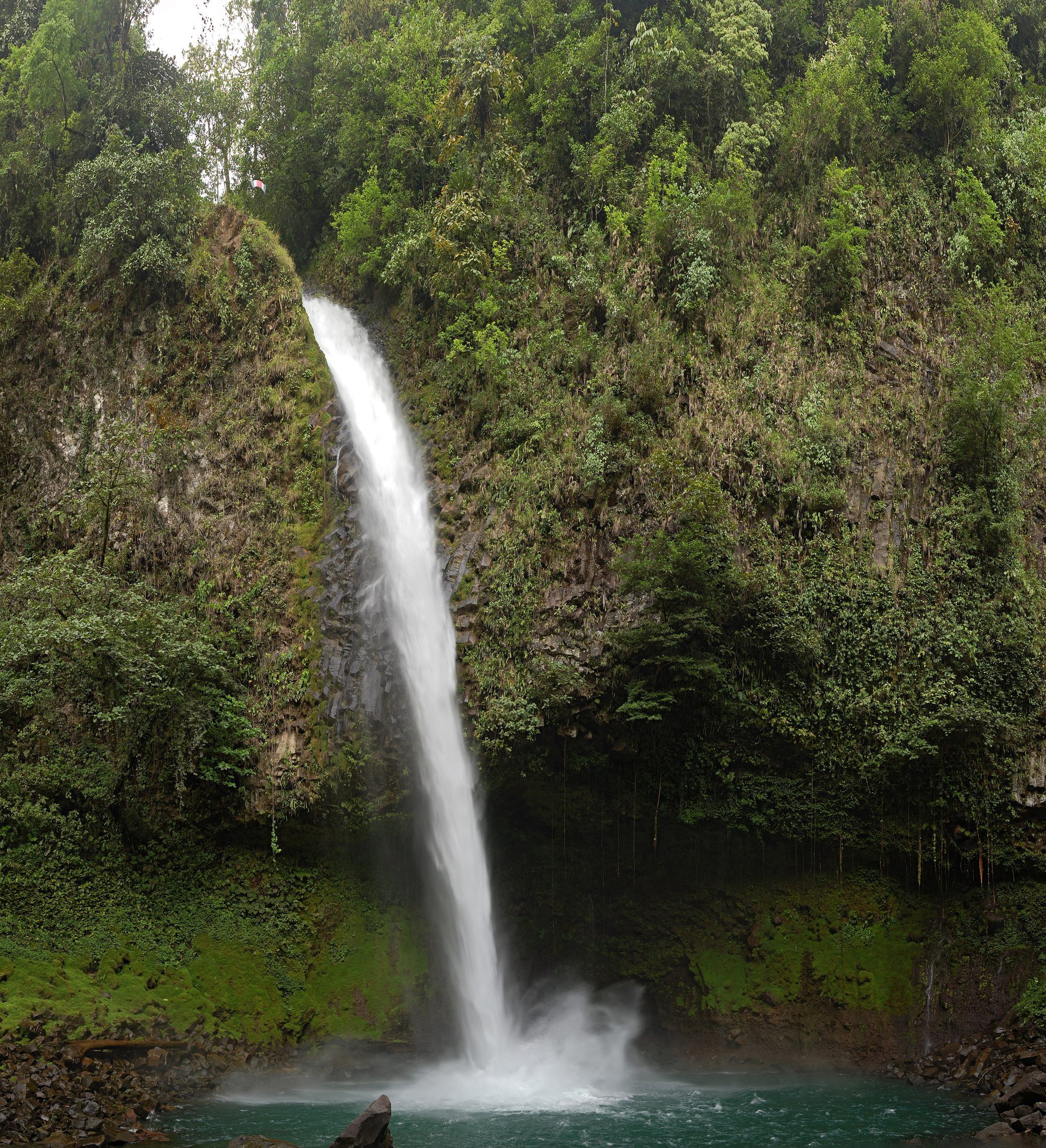 Photo: Derek Ramsey (Ram-Man), CC BY-SA 4.0
Find your own piece of the canopy.
Treehouses, bamboo houses and rainforest villas across 17 destinations — found, vetted and written up honestly.
Browse all destinations