The Most Instagrammed Jungle Stays
You have seen these rooms before you ever booked a flight. The net suspended over a rice-field drop. The pool that seems to spill straight into the canopy. The ladder up to a platform with no walls. Jungle stays have become one of the most reliably viral categories in travel photography, and a handful of real, working hotels are responsible for most of the images that get reposted without credit. This is a look at where that look came from, how the buildings behind it actually work, and what it is like to spend a night in one once the phone goes back in the bag.
What counts as an "Instagrammed" jungle stay
The category is narrower than "jungle hotel." Plenty of good rainforest lodges never end up on anyone's feed because their best feature is a guide who can find a sloth, not a room with a shot. The stays that go viral share a small set of design moves: a bed or net facing an unobstructed wall of green, a pool with a hard horizontal edge against soft foliage, a structure raised above the forest floor so the photo looks down instead of across, and natural materials (bamboo, thatch, raw timber) that read as handmade rather than poured concrete. Strip away the hashtags and what is left is honest architecture: buildings designed to put the forest in the frame, built by people who mostly grew up designing hotels, not building sets.
It matters to say up front that this is a design story, not a nature story. A treehouse with a dramatic net can sit fifteen minutes from a paved road and a supermarket. A genuinely remote eco-lodge deep in a national park might have terrible light and a room nobody photographs. The two categories overlap sometimes and not always, and knowing the difference is most of what separates a stay that delivers from one that disappoints.
Where the look came from
The style traces most directly back to Bali, and specifically to Ubud, where a wave of architects and designers began building with bamboo in the early 2000s as an alternative to the concrete villas that were spreading across the island. John Hardy, a Canadian jewelry designer who had lived in Bali for decades, and his wife Cynthia opened Bambu Indah in 2005, starting with a handful of relocated antique Javanese bridal houses set above the Ayung River. What followed over the next two decades, through the family's design studio IBUKU, became the template a huge amount of the genre still copies: soaring bamboo roofs, open walls, structures that wrap around living trees instead of cutting them down.
Treehouses themselves are older than any hotel trend, obviously, going back to childhood platforms and, further back, to genuine dwellings built in tree canopies in parts of Southeast Asia and New Guinea for defense and flood protection. What is newer is the hospitality version: a treehouse built specifically to be booked, insured, plumbed, and photographed. Costa Rica became the other major center for that idea, partly because its cloud forests and rainforest concessions already had an eco-tourism industry built around canopy access (zip lines, hanging bridges, canopy tours), and partly because a run of independent builders started putting real beds and real bathrooms into structures that used to be observation platforms. For more on how that specific building type evolved, see our piece on treehouses explained.
Infinity pools are the third thread, and they are the oldest trick of the three. Architects have been building edge-disappearing pools since the mid-20th century, but dropping one into a jungle clearing, rather than against an ocean horizon, is a more recent move, and it is the single most repeated photograph in the category: a pool that appears to end in canopy instead of sky.
Good to know
"Jungle" gets used loosely in marketing copy. Some of the most photographed stays sit in secondary forest regrowth or landscaped tropical gardens next to rice terraces, not primary rainforest. That is not a knock on them, a well-designed tropical garden can be gorgeous, but if you are booking specifically for wildlife and canopy depth, check the actual forest type before you go, not just the listing photos.
How they're actually built
Behind the soft-focus photos is a fairly unglamorous set of engineering problems, and the good operators solve them properly instead of hiding them.
Bamboo as a structural material
Bamboo looks improvised and is not. Building-grade species like petung (giant bamboo, Dendrocalamus asper), common in Balinese construction, have to be harvested at a specific maturity, cured, and treated against insects and rot, usually with a borax-based soak, before they are usable as structural members. IBUKU's structures, including the Bambu Indah tree house, are engineered with the same load calculations as timber buildings, joined with a mix of traditional lashing and hidden steel connectors at the stress points, because a bamboo joint that fails is not a cosmetic problem. The appeal for builders is real: bamboo grows back in three to five years versus decades for hardwood, and a mature culm has a strength-to-weight ratio that rivals steel in tension. The downside is maintenance. Humid jungle air is exactly the environment that rots untreated bamboo fastest, so a bamboo building is never "finished"; it is inspected, re-tied, and partially rebuilt on a rolling basis for as long as it stands.
Stilts, platforms, and steel
Where bamboo is not doing the structural work, steel usually is. A number of the stilted "pod" hotels that photograph so well, including Costa Rica's Suitree Experience Hotel, whose four dwellings sit on steel stilts roughly thirty feet up, are essentially steel-framed platforms clad to look organic. Steel lets a builder get real height and a level floor over uneven jungle terrain without touching many trees, and it is far less maintenance-hungry than bamboo, at the cost of losing some of the handmade texture that makes the bamboo buildings feel different from a generic elevated cabin.
Off-grid systems
Because many of these properties are intentionally sited away from grid infrastructure, plenty run on a mix of solar power, small-scale hydroelectric where a stream allows it, and rainwater catchment with filtration. Finca Bellavista, the treehouse community in Costa Rica's Puntarenas province, runs its roughly 600-acre canopy site on solar and small hydro power rather than a grid connection. That is a genuine engineering achievement and also the reason air conditioning is rare in this category. A treehouse pulling limited solar power is not going to run a window unit all night, so the buildings lean on airflow, shade, and elevation to stay livable instead. We cover the systems side of this in more detail in how off-grid jungle homes work.
Bali's bamboo lineage: Bambu Indah and IBUKU
If one project deserves credit for setting the visual language everyone else in this category is still borrowing from, it is Bambu Indah, and specifically its Tree House. The original Tree House, designed by John and Cynthia Hardy's daughter Chiara, sits high in the branches of two bunut trees above the valley. In 2020 the family opened a second, entirely bamboo tree house built by IBUKU, the design studio now led by another Hardy daughter, Elora, interlacing three large trees into a single structure. The roof is a curved, basket-like form clad in copper that sheds tropical rain while letting the floor plan curl upward into low walls instead of using hard corners, with skylights cut in to bring light down through the canopy. It is the kind of building that reads as sculptural in a photo and, by most accounts from people who have stayed, feels genuinely different to sleep in: cooled by cross-breeze rather than air conditioning, with the sound of the river and the birds coming straight through the open walls.
What makes Bambu Indah worth studying rather than just admiring is that it is not a one-off stunt building. It sits inside a working hotel with two decades of operating history, a farm, a natural water-filtration system for its pools, and a design studio that has gone on to build dozens of other bamboo structures across Bali and beyond, several of which have shown up in architecture press independent of any travel-influencer attention. That is a useful signal when you are trying to tell a serious piece of design from a photogenic stunt: does the building have a design credit, a studio, a construction story you can actually verify, or does the listing just show you the pool?
The best of these buildings were designed by people solving a real problem, how to live comfortably inside a hot, wet forest without air conditioning, and the photogenic part is a side effect of getting that problem right, not the goal itself.
Readers curious about the broader bamboo-building movement in Bali, which extends well past any single hotel into schools, private homes, and public buildings, should read what is a bamboo house, which goes into the material science and the wider Ubud design scene in more depth. And if you want to see where else in the world this kind of build shows up, our Bali destination guide and Thailand guide both cover regional operators working in the same tradition.
The pool shot: infinity edges over the canopy
No single image type gets reposted more than the infinity pool that appears to dissolve into forest. The mechanics are simple: build the pool's far edge slightly below the sightline of someone standing or floating in the water, drop the land away just past that edge (a hillside, a river gorge, a valley), and the eye reads the pool as continuing into the landscape. Hanging Gardens of Bali, set in the Ubud jungle above the Ayung River gorge, is one of the properties most associated with this exact shot, a two-tiered pool positioned so the water line appears to float above the forest canopy below it. It works precisely because the hotel is sited on a genuine gorge edge, not a flat lot with a built-up illusion; the drop is real, which is why the photo has held up as one of the most copied compositions in tropical hotel photography for well over a decade.
Bali has more than one property chasing this effect, which tells you it is a reliable enough design move that operators keep reinvesting in it. Stilted bungalow properties along the island's western coastline, and bamboo-house resorts further inland near the rice terraces, have each built their own version, sometimes with a whitewashed infinity edge facing open coastline instead of forest, sometimes with a round plunge pool tucked directly against a jungle wall for a tighter, more intimate frame. The common thread across all of them is site selection first, engineering second: none of this works without genuinely dramatic topography to build against. For a deeper look at this specific building type across more regions, see jungle villas with infinity pools.
Treehouse villages and stilted pods in Costa Rica
Costa Rica took the treehouse idea somewhere Bali never did: an entire off-grid residential and hospitality community built in the canopy. Finca Bellavista, near the Río Bellavista in Puntarenas province on the Pacific side of the country, describes itself as one of the first sustainable treehouse communities anywhere, spread across roughly 600 protected acres with around a dozen treehouses currently available to book, connected by suspension bridges and a zip-line network the community calls SkyTrails. It runs on solar and small-scale hydro power, has its own recycling and composting systems, and functions as much as an intentional community as a hotel, guests share trails, gardens, and river access with a small number of full-time residents.
The more purpose-built hotel version of the same idea shows up at Suitree Experience Hotel, where four pod-shaped dwellings are raised on roughly thirty-foot steel stilts above the forest floor, with a shared lookout platform and a run of pools, one with a swim-up bar, at ground level. It is a useful contrast to Finca Bellavista: both put guests up in the canopy, but one is a decades-old off-grid community built around a shared ethos, and the other is a newer, more conventionally run resort using elevation as its headline feature. Neither is more "authentic" than the other, they are just solving for different things, and it is worth knowing which one you are booking before you arrive expecting the other.
Costa Rica's advantage here is infrastructure that predates the Instagram era by decades. The country built a real eco-tourism industry around canopy access starting in the 1990s, with hanging bridges and zip-line operators servicing cloud forest reserves like Monteverde, and the current wave of treehouse hotels is largely riding on top of that existing expertise in building safely at height in wet, remote terrain. If you are planning a trip built around this style of stay, our Costa Rica destination guide is a good starting point, and A-frame cabins in the jungle covers a related, slightly more accessible category of elevated jungle stay that has grown alongside the treehouse boom.
Coastal jungle villas and the plunge-pool genre
Not every viral jungle stay is deep in the forest. A large slice of the category sits where jungle meets coastline, private villas with individual plunge pools rather than one shared infinity edge, floor-to-ceiling doors that open the whole room to the outside, and a hammock somewhere in frame. Casa Chameleon at Mal Pais, on Costa Rica's Nicoya Peninsula, is a good example of the type: an adults-only property with ten villas, each with its own plunge pool, a covered terrace, and full-height doors, positioned where dry tropical forest meets the Pacific rather than in dense rainforest interior. The appeal of this sub-genre is privacy. Instead of one showcase pool the whole hotel shares (and everyone photographs from the same three angles), every guest gets a version of the shot to themselves, which is part of why villas like this dominate a certain kind of travel feed: the photo looks personal even though the design is completely repeatable across ten identical units.
This coastal-jungle hybrid shows up well beyond Costa Rica. Mexico's Riviera Maya and the jungle inland from Tulum have built a whole micro-industry around cenote-adjacent and jungle-facing villas with the same plunge-pool logic, and Brazil's coastline does a version of it too, particularly around forested stretches near Rio and further north, where Atlantic rainforest runs almost to the sand. If that combination of ocean access and dense forest interests you, our Tulum and the Maya jungle guide and Brazil destination guide both cover operators working in that space, and eco-lodges vs. jungle Airbnbs is useful if you are trying to decide between a full-service villa hotel and a smaller, independently run rental with a similar look.
What it is actually like to sleep in one
Here is the part the photos leave out, and it is worth being straightforward about it, because a bad night in a beautiful room is still a bad night.
Heat and humidity
Open-wall design is the whole point visually, and it is also why most of these rooms do not run air conditioning, or run it only in a single enclosed sleeping alcove rather than the full space. In the tropics that means accepting ambient heat and humidity as part of the deal, especially in the hours before dawn when temperatures finally drop and airflow becomes the only thing keeping you comfortable. If you sleep hot or are visiting during a particularly still, humid stretch, ask specifically what cooling the room has before you book, not after.
Bugs, noise, and wildlife
An open-air structure in a forest is going to have insects in it. Good operators screen sleeping areas, provide nets over beds (sometimes the same net that makes the photo), and manage this well; it is still a real trade-off compared to a sealed hotel room. The upside is the same openness that lets bugs in also lets you actually hear the forest, howler monkeys, frogs, birds at first light, which is a large part of what people are paying for in the first place, whether they say so or not.
Getting around and getting help
Elevated stays mean stairs, ladders, rope bridges, or a short zip-line ride to reach your room in some cases, which is worth knowing if you are traveling with limited mobility, young children, or a lot of luggage. Off-grid sites also mean slower response if something breaks: a generator or solar system that goes down at a remote property does not get fixed as fast as a broken air conditioner at a city hotel, and a genuinely isolated treehouse can be a real hike or river crossing from the nearest clinic. None of this is a reason to skip the category. It is a reason to read the fine print on access and medical proximity for anyone in your group with specific needs.
Price versus what you are actually buying
Because the visual impact of these builds is so high relative to their square footage, a lot of them price at a premium compared to a conventional hotel room with a similar service level. That is a reasonable trade if the room itself, the view, the silence, the sense of being genuinely inside the forest, is what you are there for. It is a worse trade if you are mainly there for amenities like a full restaurant, a spa menu, or reliable fast internet, since remote canopy sites often deliberately skip or limit those.
How to choose one that delivers
A few concrete things to check before booking, beyond the hero photo:
- Ask what forest type surrounds the property. Primary rainforest, secondary regrowth, and landscaped tropical garden all photograph green, but they are very different experiences on the ground.
- Find the design credit. A property with a named architect or studio behind it, the way Bambu Indah has IBUKU, is more likely to have solved the structural and comfort problems properly rather than just building for the photo.
- Check the cooling plan. Ask directly whether the room has air conditioning, a fan, or airflow only, and during which months. This one variable predicts a good or bad night more than almost anything else.
- Look at access. Stairs, ladders, bridges, or boat and zip-line transfers are common at elevated and off-grid stays; confirm you are comfortable with the specific access method, not just the general idea of a treehouse.
- Separate the shared pool from your private space. The single showcase infinity pool in a listing's photos may be a shared amenity you are timing around other guests to photograph, not something outside your door.
If you are building a wider trip around this style of stay rather than a single property, browse the full destinations directory for regional guides, or start with Puerto Rico, Hawai‘i, or Peru, three regions with their own growing lists of canopy and jungle-facing stays that have not yet been photographed to death. And if the whole category has you wondering whether you could build one yourself rather than just book one, how to start a jungle Airbnb is the practical next read; if you just want the current shortlist, the best jungle Airbnbs in the world rounds up specific listings rather than architecture types.
Common questions
Are these jungle stays actually as remote as they look in photos?
Sometimes, not always. Camera angles and tight framing can make a garden a few minutes from a paved road look like deep forest. Genuinely remote properties, like Costa Rica's off-grid treehouse communities, tend to say so plainly in their own materials, including how you actually get there (river crossing, hike, zip-line transfer), because that access story is part of what they are selling. If a listing is vague about how you reach the property, that is worth asking about directly.
Do jungle treehouses and stilted villas have air conditioning?
Often not in the open-air living areas, since the open walls that make the design work also make sealed cooling impractical. Some properties enclose a single sleeping nook with air conditioning while leaving the rest of the structure open to the forest; others rely entirely on airflow, elevation, and shade. Always confirm the specific cooling setup for the room type you are booking, especially during hot, still months.
Is bamboo construction actually durable, or is it a gimmick?
Properly treated, structural-grade bamboo is genuinely durable and has been used in permanent construction across Southeast Asia for centuries; studios like IBUKU engineer their buildings to real load standards rather than eyeballing them. The trade-off is maintenance: bamboo in a humid jungle climate needs regular inspection and partial rebuilding in a way that steel or concrete does not, so it suits operators willing to keep investing in the building rather than a one-time construction cost.
Why do so many of these hotels have infinity pools specifically?
Because the illusion (a pool edge that appears to dissolve into the landscape beyond it) only works with real elevation change nearby, jungle sites on gorges, hillsides, or river bluffs are unusually well suited to it compared to flat urban lots. It has also simply proven to be one of the most consistently reshared image types in travel, which gives operators on suitable terrain a strong incentive to build one.
Are off-grid jungle stays less comfortable than conventional resorts?
In some specific ways, yes: less reliable air conditioning, slower repairs if solar or hydro systems fail, and more insects indoors than a sealed hotel room. In exchange, guests generally get more direct contact with the forest itself, sound, air, and view, which is usually the actual reason people book this category over a standard resort in the first place.
Where can I actually book a stay like the ones in this article?
Search the JungleBnB directory by destination to compare real, bookable jungle stays, including treehouses, bamboo villas, and canopy pods, with photos, forest type, and access details listed property by property rather than guessed from a single hero image.
The short version: the photo is real, the buildings behind it are real, engineered structures solving a genuinely hard problem (how to live comfortably inside a hot, wet forest), and the best of them reward you for showing up in person just as much as they reward the algorithm. Start with the full destinations directory, or go straight to Costa Rica or Bali if the two lineages covered here, the treehouse and the bamboo villa, are the ones that got you here.
- Bambu Indah — Tree House — history and design of the original and 2020 bamboo tree houses.
- IBUKU — Tree House at Bambu Indah — structural and design details of the IBUKU-built bamboo tree house.
- ArchDaily — Tree House at Bambu Indah / IBUKU — architectural documentation of the structure and materials.
- Finca Bellavista Community — About — history, acreage, and off-grid systems of the Costa Rica treehouse community.
- designboom — Finca Bellavista: a sustainable treehouse community — construction and sustainability details.
- Kiwi Collection — Best Jungle and Rainforest Hotels — background on Hanging Gardens of Bali, Casa Chameleon, and Suitree Experience Hotel.
- Haley Blackall — 61 Most Instagrammable Places in Bali — background on Bali's bamboo and stilted-villa hotel scene.
More from the Journal.
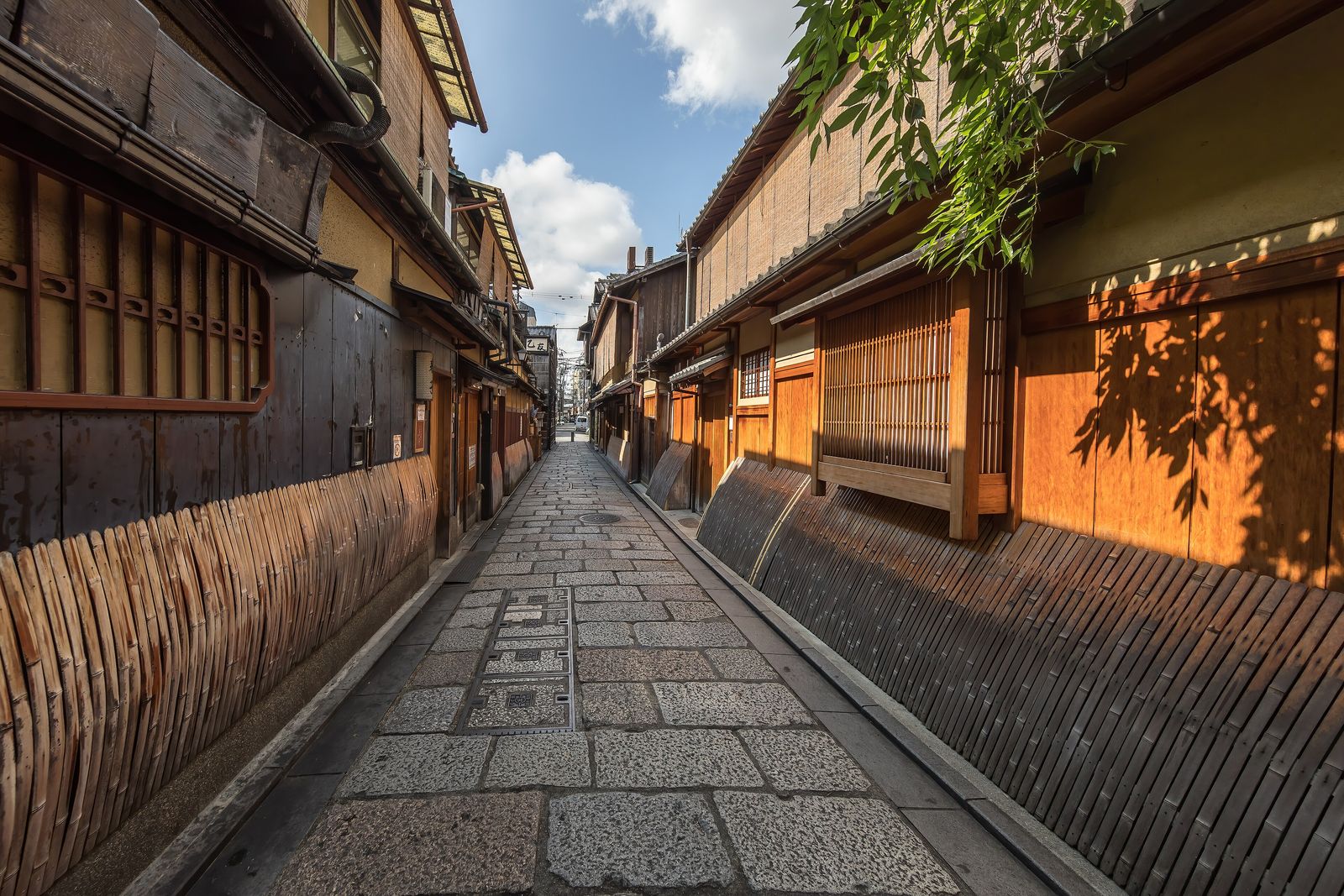 Photo: Basile Morin, CC BY-SA 4.0
What Is a Bamboo House? Bali's Bamboo Architecture Explained
How a fast-growing grass became the most beautiful building material in the tropics — the story of bamboo architecture and where to sleep in it.
 Photo: Vitus Wahlländer, CC BY-SA 4.0
Treehouses Explained: History & Modern Design
From childhood forts to seventy-foot canopy suites — how the treehouse grew up, and what makes a great one to stay in.
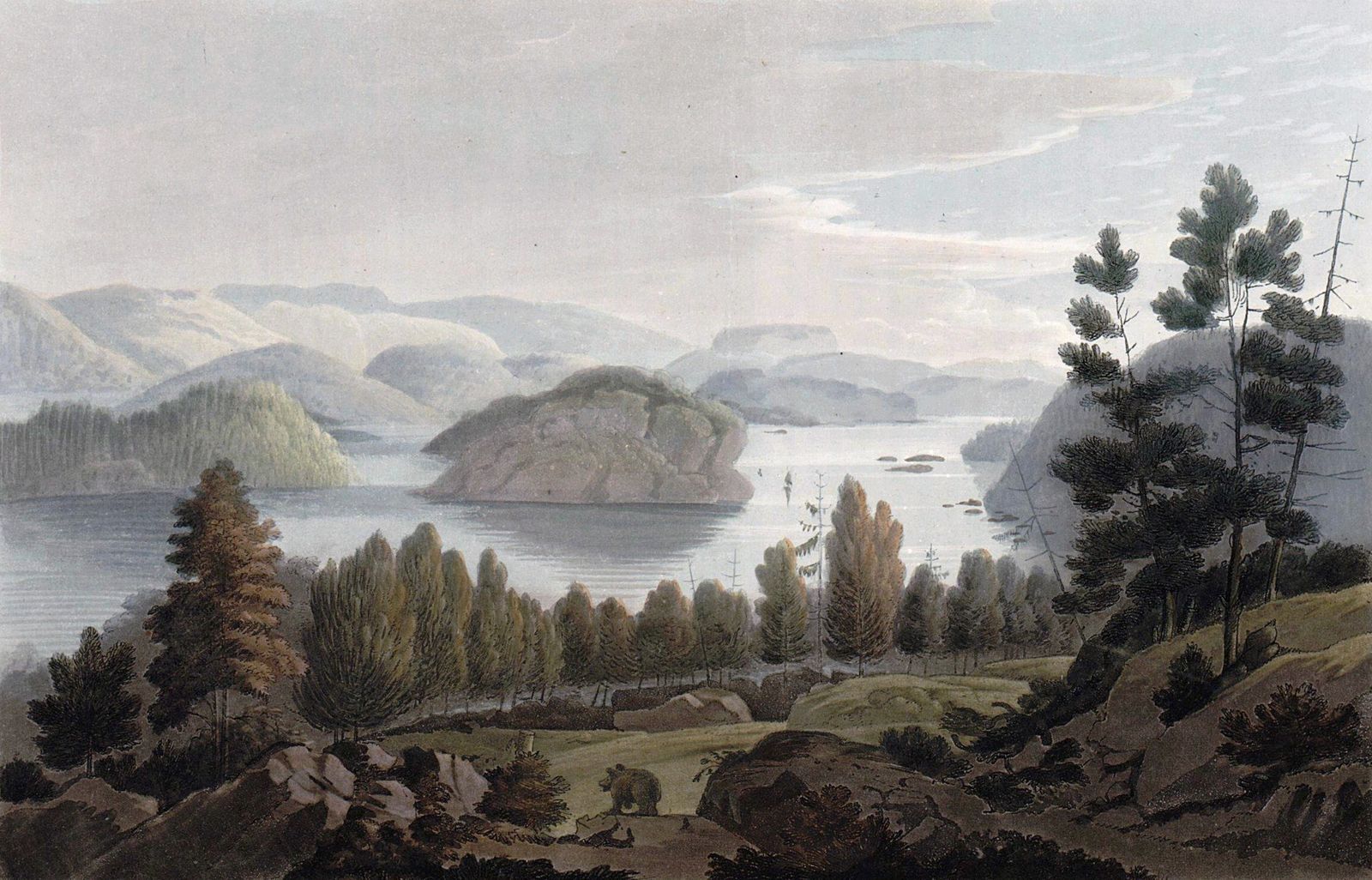
Overwater & Floating Bungalows in the Jungle
The room that floats — how raft houses and overwater bungalows are built on jungle lakes and rivers, and the best places to sleep on the water.
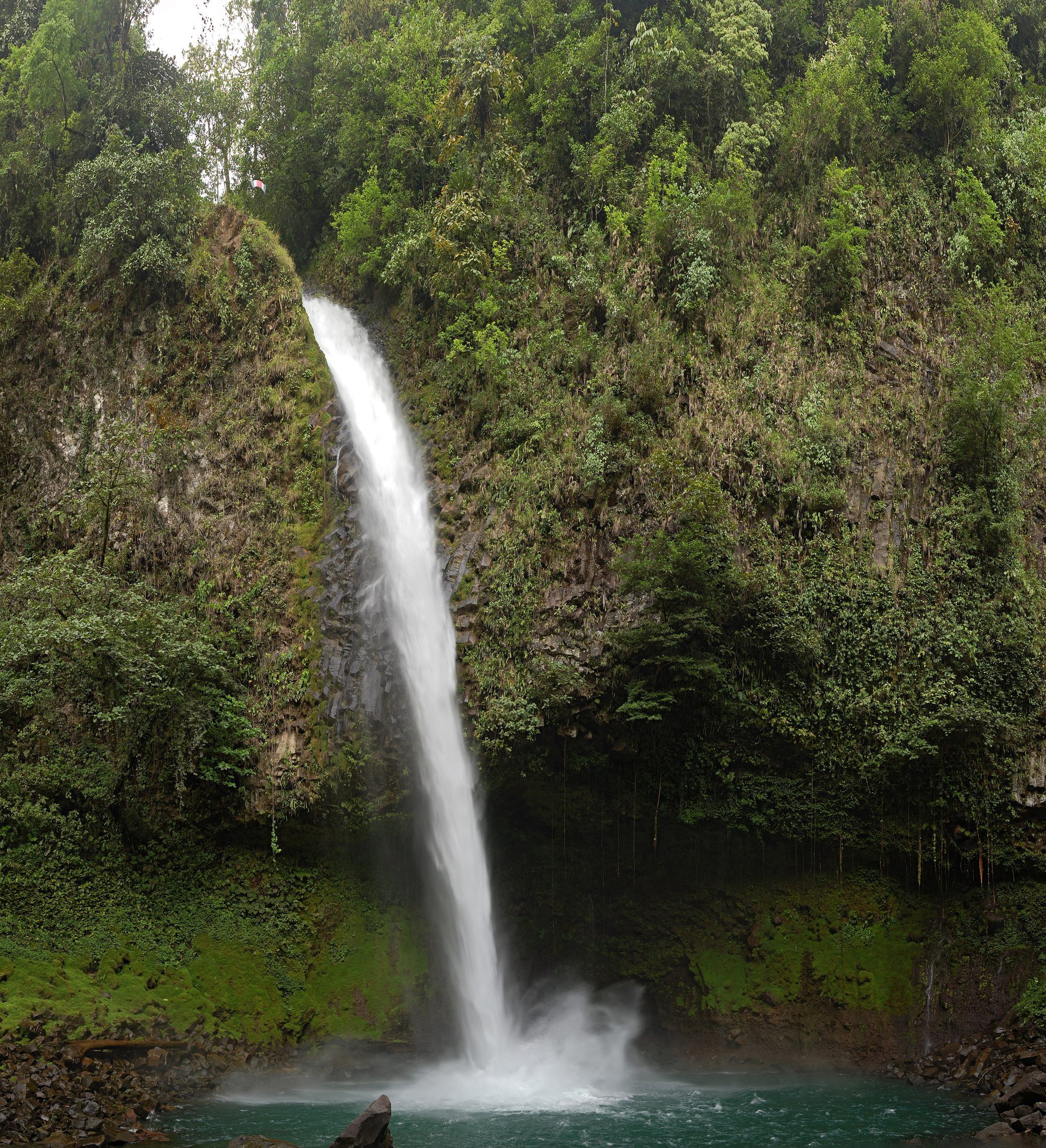 Photo: Derek Ramsey (Ram-Man), CC BY-SA 4.0
Find your own piece of the canopy.
Treehouses, bamboo houses and rainforest villas across 17 destinations — found, vetted and written up honestly.
Browse all destinations