The Jungle Wildlife You'll Actually See
Most jungle disappointment has nothing to do with the jungle and everything to do with what people expected to find in it. Somewhere between the nature documentary and the actual trip, a jaguar strolling across the trail turned from a once-in-a-career sighting for a professional biologist into something guests assume is basically owed to them for the price of a lodge room. It isn't. What follows is a plain, region-by-region accounting of what you are actually likely to see on a jungle stay, what you probably won't, and what changes the odds — written so you land at your lodge expecting the trip you're actually going to have, which turns out to be a far better trip than the one built on false promises.
Set your expectations first
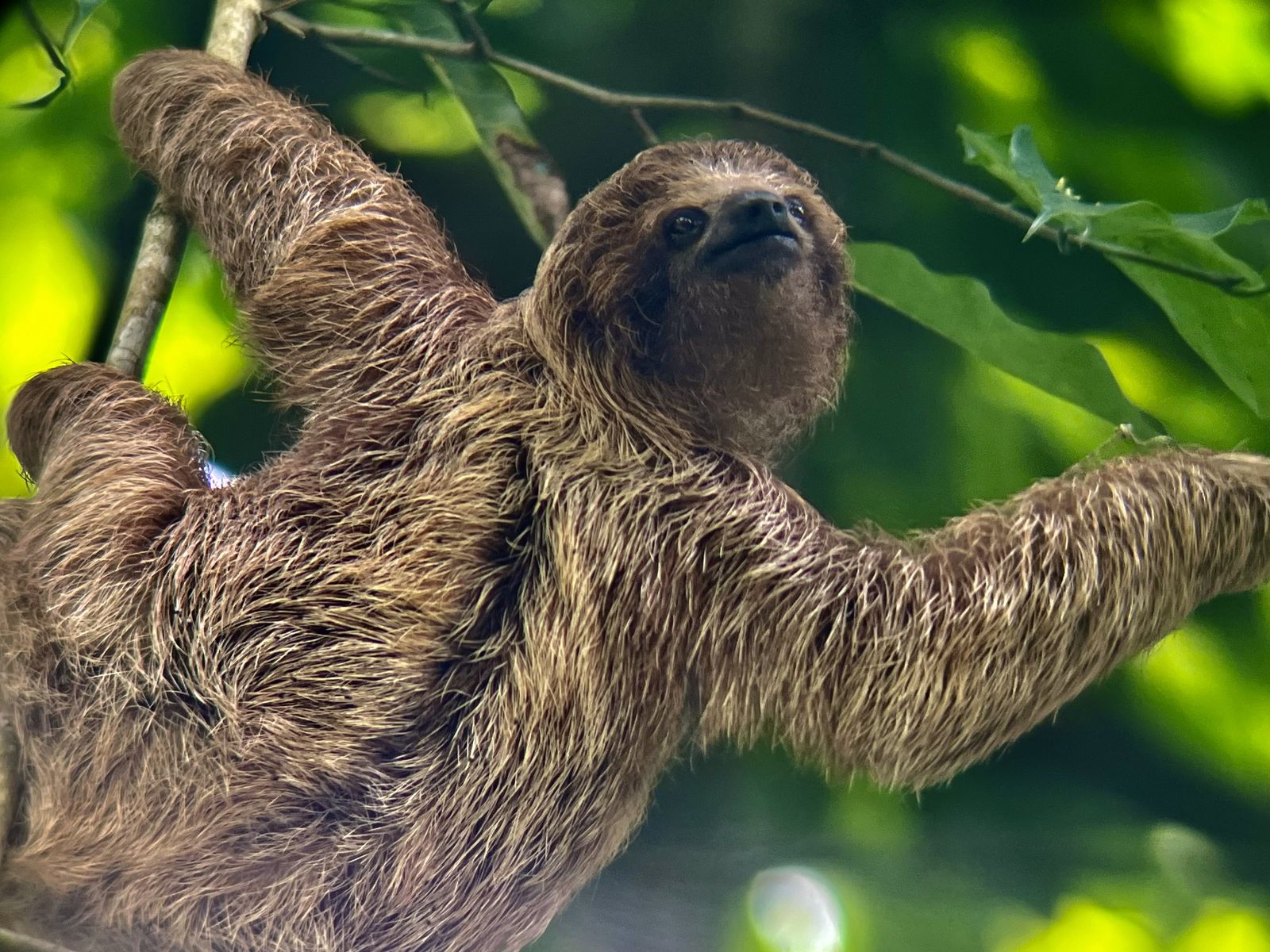
Here is the single most useful thing anyone can tell you before a jungle trip: the animals you are most likely to see are not the ones on the brochure. Sloths, howler monkeys, toucans, caimans and a genuinely absurd number of frogs and insects are the realistic, high-probability wildlife of a jungle stay almost anywhere in the tropics. Jaguars, wild orangutans doing anything dramatic, anacondas draped across a branch, and giant river otters mid-hunt are the low-probability, high-reward sightings that make for a great story precisely because they are rare. A trip planned around the second list, with the first list treated as a consolation prize, is a trip built to disappoint. A trip planned around the first list, with the second treated as a genuine bonus if it happens, is a trip that delivers every time.
This isn't a lodge or a guide being modest. It's how tropical forest actually works. The canopy is thick, most animals are shy of humans for good evolutionary reasons, and a huge share of jungle biomass is nocturnal, camouflaged, or both. A guide who has worked the same forest for fifteen years still doesn't see a jaguar most months. What they do see, reliably, every week, is the quieter cast of characters this guide focuses on — and once you know to look for them, they turn out to be more than enough to fill a trip with genuine, jaw-dropping moments.
The guests who leave happiest are almost never the ones chasing the big cat. They're the ones who spent twenty minutes watching a sloth blink, or stood under a howler troop at dawn and felt the sound in their chest before they ever saw the animal making it.
Costa Rica and Central America
If there is one region built for realistic, satisfying wildlife viewing, it's Costa Rica. The country's rainforests, cloud forests and coastal jungle are genuinely dense with visible, diurnal wildlife, and much of it lives close enough to lodges, roads and park edges that you don't need a strenuous trek to find it — sloths in particular are often easiest to spot in trees near hotels and park entrances rather than deep in untouched forest.
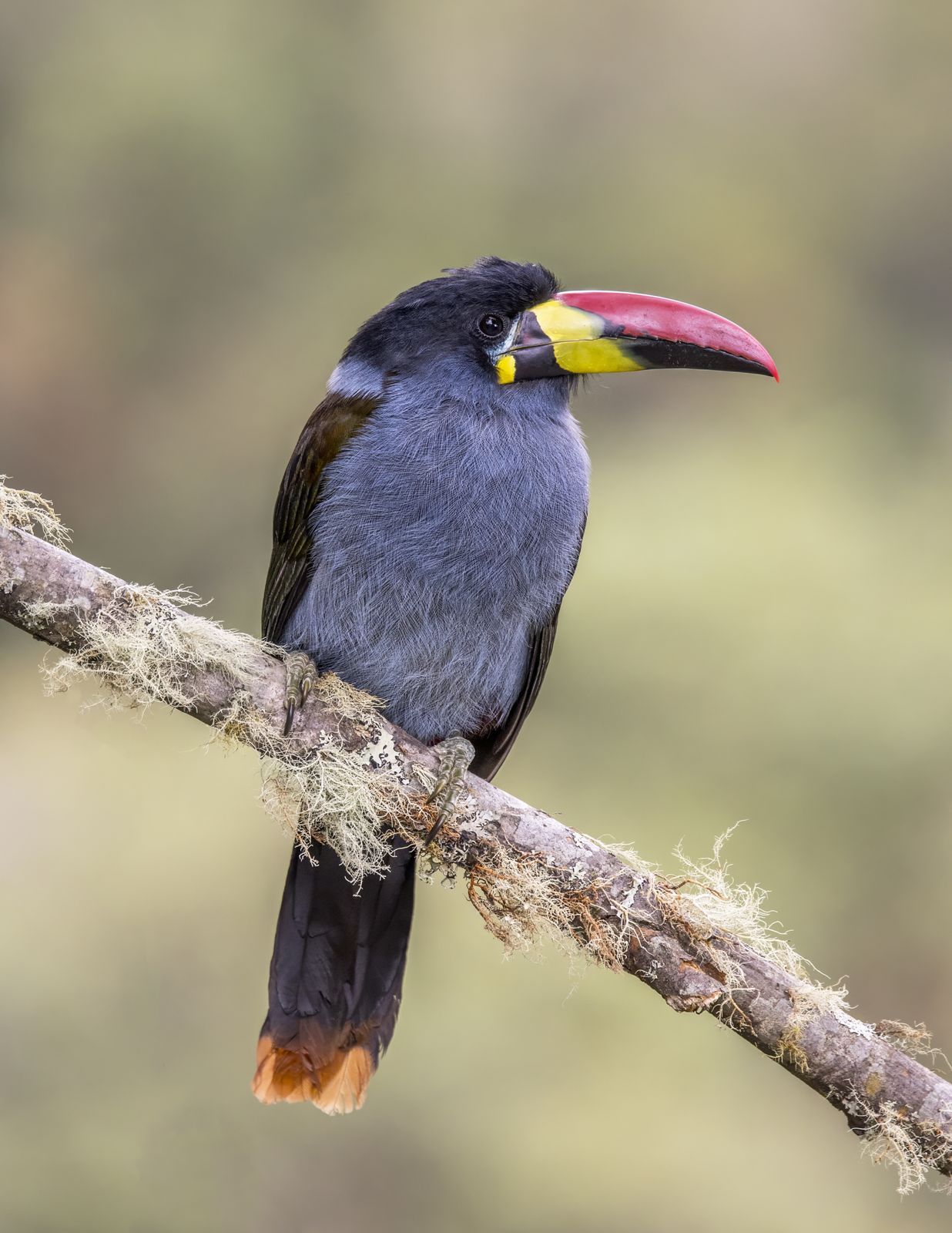
Monkeys are close to a guarantee. Costa Rica has four native primate species — howler, white-faced capuchin, spider, and the more localized and endangered squirrel monkey — and most visitors encounter howlers by ear before they ever see one, that low, guttural roar carrying for a mile or more through the canopy at dawn and dusk. Capuchins are bold and curious, often seen at the edges of popular parks like Manuel Antonio, sometimes closer to a picnic table than anyone would prefer. Birds are the other near-certainty: Costa Rica has around six toucan species, roughly eighteen parrot species and more than fifty species of hummingbird, and a guide who knows a property's grounds can usually point out several species before breakfast is over.
What to actually expect
- Sloths — genuinely common in the right spots (Manuel Antonio, La Fortuna, the Caribbean coast); ask your host where the resident sloths tend to hang, because lodges often know exactly which tree.
- Howler and capuchin monkeys — very likely, especially at dawn; spider monkeys and squirrel monkeys are less common and more region-specific.
- Toucans and parrots — likely with a guide who knows the calls, less likely if you're only glancing up on your own between activities.
- Coatis and iguanas — common enough to be almost unremarkable within a day or two.
- Jaguars — rare enough that even long-time guides in Corcovado, one of the jaguar's best remaining strongholds in the country, treat a sighting as a once-in-a-career event. Any operator promising a guaranteed jaguar encounter is a reason to book with someone else.
Good to know
The Osa Peninsula and Corcovado National Park hold Costa Rica's best odds for the rarer mammals — tapirs, anteaters, and yes, technically, jaguars — precisely because they're the country's most intact and least visited lowland rainforest. That remoteness is also the tradeoff: longer travel to reach, fewer creature comforts, and a genuinely wilder stay than the more accessible parks around Manuel Antonio or La Fortuna.
The Amazon: Brazil, Peru and Colombia
The Brazilian Amazon and its Peruvian and Colombian counterparts run on a different rhythm than Costa Rica's forests — bigger, wetter, and organized around rivers rather than trails, which changes both what you see and how you see it. A boat is the workhorse of Amazon wildlife viewing, not a hiking boot, and the dry season, roughly May to October in the Peruvian Amazon, tends to produce the best sightings because lower river levels expose more riverbank and concentrate animals along the water's edge.
Pink river dolphins are the sighting everyone hopes for, and they're a genuinely realistic one in the right location — the main Amazon River and its major tributaries, with sightings around hubs like Iquitos in Peru and Leticia in Colombia, are common enough that most multi-day river trips through those areas produce at least one encounter. Caimans are close to a certainty on a night boat ride, when a spotlight run along the water's edge picks up their eyeshine reliably. Macaws and parrots, howler and squirrel monkeys, capybaras sunning on riverbanks, and the strange, prehistoric-looking hoatzin bird round out the sightings most guests genuinely come home with.
What to actually expect
- Caimans — very likely on a spotlight night boat trip; you'll see their eyes reflecting back before you make out the shape.
- Macaws and parrots — likely, especially near clay licks where they gather to eat mineral-rich soil, a genuinely spectacular and fairly reliable sighting in the right season and location.
- Capybaras — common along riverbanks in the dry season.
- Pink and grey river dolphins — good odds on the main river and major tributaries near Iquitos or Leticia; lower odds on smaller, more remote waterways.
- Giant river otters, manatees, anacondas — all present in the Amazon, none of them a reasonable expectation. Giant otters are down to relatively small, scattered populations; manatees are far easier to see at a rehabilitation center than in the wild; anacondas are excellent at not being found, contrary to what a lifetime of jungle-movie tropes would suggest.
- Jaguars — present and, if anything, slightly more realistic here than in Central America given the sheer scale of remaining habitat, but still a rare, lucky sighting rather than a plan-around-it expectation.
Borneo, Bali and Southeast Asia
Southeast Asia's jungle wildlife has its own headline act, and it's one of the few places on this list where you can engineer something close to a guaranteed sighting — with an honest asterisk attached. Orangutans are the draw across Malaysian and Indonesian Borneo, and the most reliable way to see one is at a rehabilitation and feeding center like Sepilok in Sabah, where scheduled feeding platforms at set times each day produce sightings on most visits, though even there nothing is promised — the orangutans are semi-wild and free to skip the platform if the forest is fruiting well and food is easy to find on their own.
Wild sightings deeper in the forest, at a reserve like Danum Valley, are a genuinely different proposition — lower odds, a real chance of leaving without a sighting despite several days of looking, and an experience that's honest about that tradeoff before you book, which is exactly what a good operator should tell you upfront. Researchers estimate roughly 500 orangutans live within the Danum Valley Conservation Area, and permits are deliberately limited to protect that population from the pressure a Sepilok-style crowd would put on it — which is also, not coincidentally, part of what makes a wild sighting there feel earned rather than staged.
In Bali, the wildlife-viewing experience shifts again — less about deep rainforest trekking, more about the long-tailed macaques of places like the Ubud Monkey Forest, genuinely wild animals living in a genuinely wild patch of forest, but habituated enough to humans that sightings are essentially guaranteed. It's a different kind of encounter than a hushed spotting on an Amazon boat, closer and louder, and worth knowing that going in so it isn't a letdown against the wrong expectation. Thailand's jungle regions split similarly: elephants, gibbons and hornbills are realistic in and around parks like Khao Sok, while big cats remain, as everywhere on this list, a rare and lucky find rather than an expectation.
What to actually expect
- Orangutans at a rehabilitation center (Sepilok and similar) — good odds most visits, though feeding-platform attendance genuinely varies with the season and how much wild fruit is available.
- Wild orangutans (Danum Valley and similar reserves) — real but lower odds; go in accepting you might not see one, and treat any sighting as the bonus it is.
- Long-tailed macaques (Bali, and much of the region) — essentially guaranteed in habituated forest reserves; keep food out of sight and hold onto loose items, as these particular monkeys have a well-earned reputation for opportunistic theft.
- Hornbills and gibbons — likely with a guide who knows the calls, particularly at dawn.
- Elephants (Thailand, parts of Sri Lanka) — realistic at ethical sanctuaries and some wild reserves, though wild sightings depend heavily on the specific park and season.
Night walks: where the odds actually favor you
If daytime wildlife viewing is a matter of patience and luck, night walks are where the odds genuinely tilt in your favor, and it's the single most underrated activity on most jungle itineraries. A huge share of tropical forest life is nocturnal, and a guide with a good flashlight, walking slowly and checking leaf undersides and low branches, will reliably turn up more individual animals in an hour after dark than a full day of daytime hiking usually produces.
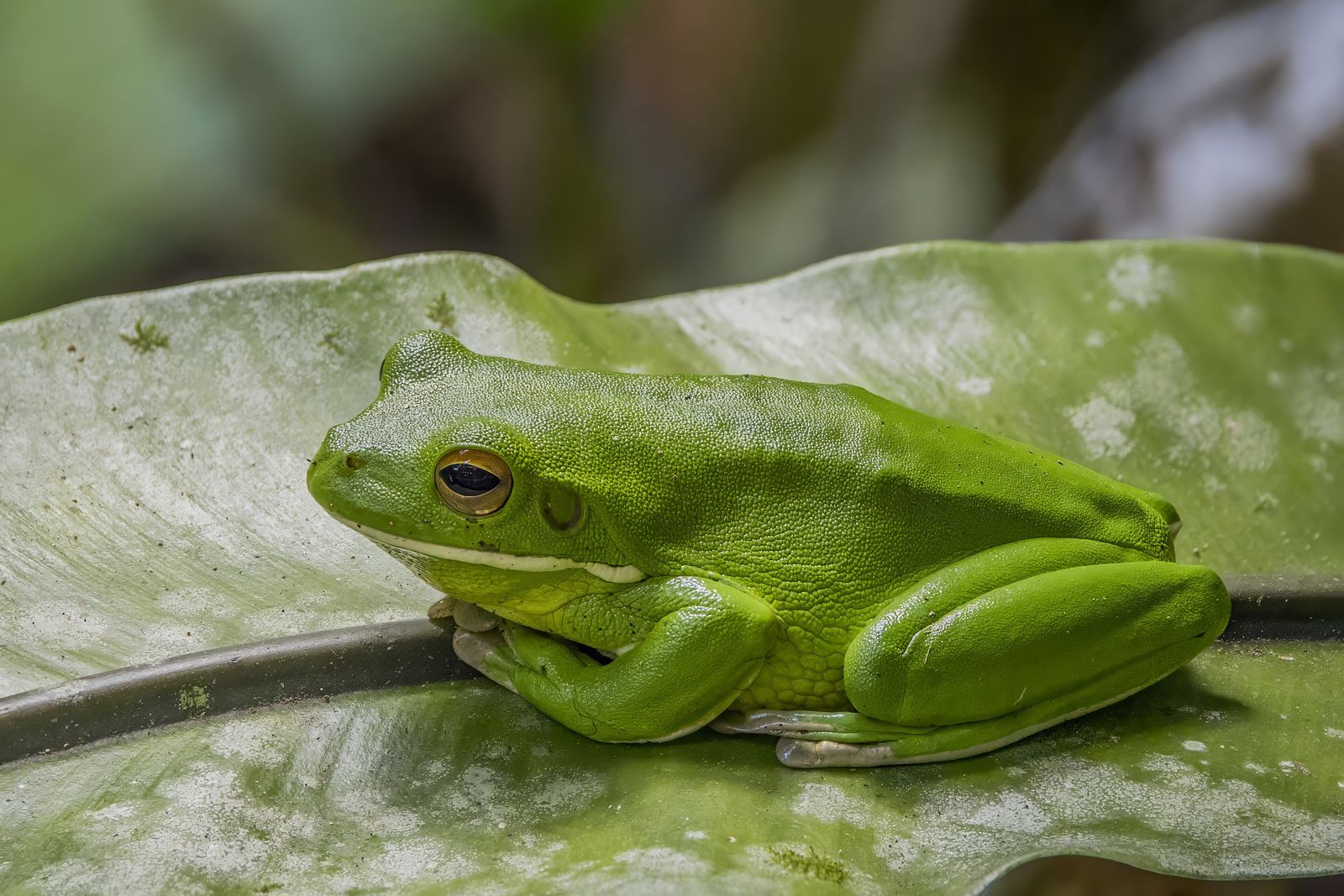
Frogs are the headline act here, and tropical forests deliver on this one better than almost anywhere else on earth. Red-eyed tree frogs, glass frogs with skin translucent enough to see their organs, and a rotating cast of poison dart frogs in colors that look faked until you're staring at one three feet away — these are genuinely, reliably found on a competent night walk in Costa Rica, the Amazon, or Southeast Asia alike. Insects turn up in equally absurd variety: walking sticks the length of a forearm, beetles the size of a thumb, spiders that look far more dramatic than they are (see the note on tarantulas below). Kinkajous and, with real luck, ocelots round out a good Central American night walk, while caimans dominate an Amazon night boat and slow lorises occasionally turn up in Southeast Asian forest at night, though sightings of the latter are uncommon and, given how heavily they're targeted by the illegal wildlife trade, best left entirely to a guide who knows how to find one responsibly.
Making the most of a night walk
- Go with a guide, not alone — spotting nocturnal animals is a genuine, practiced skill, and a good guide will find ten times what an untrained eye picks out.
- Bring your own headlamp as backup, but let the guide lead with theirs; some animals respond to specific light angles and colors that guides have learned to use.
- Move slowly and stay quiet. Nocturnal animals are exactly as skittish as diurnal ones, and a loud group covers less ground and sees less wildlife.
- Check low branches and leaf undersides, not just the ground — this is where the frogs and many of the insects actually are.
- Don't touch anything without asking first. Some of the most striking-looking frogs are also mildly toxic, and it's simply good practice everywhere.
Good to know
Tarantulas look far worse than they are. They're a fairly common night-walk find across the jungle regions on this list, and while the idea of one understandably unsettles a lot of first-time guests, a bite — on the rare occasion it happens at all — is generally compared to a bee sting rather than anything close to a medical emergency. Most guides consider them one of the better photo opportunities of a night walk, not a hazard to avoid.
Birds: the wildlife nobody plans for and everybody remembers
Ask a first-time jungle traveler what they want to see and almost nobody says "birds." Ask them two weeks after they get home what they actually remember, and birds come up constantly — the toucan on the balcony rail at breakfast, the macaw pair flying overhead in a straight, noisy line, the hoatzin that looks like it wandered out of the Jurassic and, structurally, more or less did. Tropical forest is extraordinarily bird-dense compared to almost anywhere else on the planet, and unlike most mammals, a lot of that diversity is genuinely visible during the day, in bright colors, without needing luck or a spotlight.
The Amazon basin alone holds over 600 recorded bird species, and a competent local guide, working familiar territory, can often point out fifteen to twenty-five distinct species in a single morning walk — numbers that dwarf what a similar walk anywhere in a temperate climate would produce. Clay licks, where macaws and parrots gather in large, loud, colorful numbers to eat mineral-rich soil, are one of the more genuinely spectacular and reasonably reliable wildlife spectacles in the entire region, and worth specifically asking a host or guide about when planning a Peru or Ecuador itinerary.
None of this requires being a birder before you arrive. A decent pair of binoculars — worth its own line item on any packing list, and covered in more detail in our guide to what to pack for the jungle — and a guide who knows the calls turns bird-watching from a niche hobby into one of the more consistently rewarding parts of a jungle trip, on days when the mammals are staying well hidden.
Big cats and the animals you probably won't see
This section exists because it's the honest part most listicles skip, and it's the part that actually determines whether you enjoy your trip. Jaguars, pumas, ocelots doing anything beyond a fleeting night-walk glimpse, wild tigers in parts of Southeast and South Asia, giant anteaters, tapirs, and giant river otters are all real, wild, present animals in the regions covered here — and all of them are genuinely rare sightings that even professional guides and researchers who spend their careers in these forests don't see on demand.
The reason is straightforward biology, not bad luck. Large predators exist at low densities by necessity — a single jaguar needs a territory that can support enough prey to feed it, which spreads individual animals thin across enormous areas of forest. Most of them are also naturally shy of humans, with excellent hearing and a strong incentive to detect you long before you detect them. The jungle-documentary footage of a jaguar padding calmly past a camera is usually the product of a fixed camera trap left running for months, or a film crew with weeks of dedicated time in a jaguar's known territory — not a comparable experience to a three-day lodge stay, no matter how good the guide.
None of this means these animals aren't worth knowing about, or that a region without realistic big-cat odds is a lesser destination. It means recalibrating what "success" looks like. A trip that produces sloths, a howler troop, a night walk full of frogs, a macaw clay lick and a guide who can identify twenty bird calls by ear is an outstanding jungle trip by any honest measure — with or without the jaguar. Treat any rare, dramatic sighting as the genuine bonus it is, not the benchmark for whether the trip worked.
What actually improves your odds
Luck plays a real role in jungle wildlife viewing, but it's not the only factor, and a few practical choices measurably shift the odds in your favor.
Timing
- Dawn and dusk are, almost universally, the most active periods for jungle wildlife — plan to be out, not sleeping in, during these windows.
- Dry season generally means better wildlife viewing in most tropical regions, since lower water levels concentrate animals near remaining water sources and rivers, and trails are easier to move through quietly.
- Ask about seasonal specifics before booking rather than assuming — fruiting seasons in Borneo, for instance, can pull orangutans away from feeding platforms and deeper into the forest on their own.
Guides
- A guide who works a specific property or reserve regularly will consistently outperform a generic tour guide — they know which tree the resident sloth favors and which bend in the river the caimans like at night.
- Ask your host, before you book, how experienced the on-site guiding is and whether night walks and boat trips are standard or an add-on extra.
- Small groups see more wildlife than large ones. Noise and numbers both work against you; a group of four moves quieter than a group of fourteen.
Behavior
- Move slowly and stay reasonably quiet — this alone does more for wildlife viewing than any piece of gear.
- Bring binoculars; a surprising amount of good wildlife viewing happens at a distance the naked eye can't resolve into anything more than "there's something in that tree."
- Manage the group's energy. A tired, hungry, overheated group of hikers talks more and looks less — pace the day so wildlife-watching happens when everyone still has patience for it.
- Stay an extra day if the schedule allows it. Wildlife viewing rewards time on the ground more than almost any other travel activity; a fourth day at a lodge routinely produces sightings the first three didn't.
What a realistic three-day trip looks like
Strip away the marketing and here's a genuinely representative three-day jungle stay, built from what actually happens rather than what a brochure promises. Day one: arrival, a settling-in walk around lodge grounds that turns up a sloth or a monkey troop almost by accident, and a first night walk that produces two or three frog species and an unreasonable number of interesting insects. Day two: a longer guided hike or boat trip focused on birds and primates, likely producing a genuinely good macaw or toucan sighting, several monkey encounters, and — if you're near water — caimans or, in the right part of the Amazon, a realistic shot at river dolphins. Day three: a dawn walk timed to catch peak animal activity, one more night walk, and a decent chance, by this point, of something a little rarer — a coati, an owl, a kinkajou, maybe a fleeting glimpse of something that sends the whole group into a genuine, spontaneous scramble for cameras.
What that itinerary conspicuously doesn't include is a jaguar, a wild orangutan doing anything photogenic, or an anaconda draped over a branch — and that's precisely the point. A trip planned around the reliable list and genuinely surprised by anything beyond it is a trip that works. If you're weighing where to actually book this kind of stay, our guide to how to book a jungle Airbnb covers exactly what to ask a host about guiding and wildlife access before you commit, and our roundup of the best jungle Airbnbs in the world is a reasonable starting point if you haven't picked a destination yet. Traveling with children changes the pacing more than the wildlife list — our family jungle guide covers how to keep young kids engaged through the quieter stretches between sightings, and if you're going without a travel partner, our solo jungle travel guide is worth a look too.
Common questions
Am I likely to see a jaguar, tiger or other big cat?
No, and any operator promising one should be treated with real skepticism. Big cats live at naturally low densities across all of the regions in this guide, and even guides who've worked the same forest for years describe a sighting as a rare, lucky event rather than something a normal multi-day stay should expect.
What's the single most reliable wildlife sighting on a jungle trip?
Monkeys, in one species or another, and — where lodges keep track of resident individuals — sloths. Howler monkeys in Central America, capuchins and squirrel monkeys in the Amazon, and macaques in Bali and much of Southeast Asia are all close to a sure thing across a multi-day stay.
Is a night walk actually worth doing?
Yes, more than almost any other single activity on a typical itinerary. A large share of tropical wildlife is nocturnal, and a guided night walk reliably turns up frogs, insects and small mammals that a full day of daytime hiking usually misses entirely.
Do I need to book a specific season to see wildlife?
It helps but isn't essential. Dry season generally improves odds across most tropical regions by concentrating animals near remaining water and making trails easier to move through quietly, but a good guide finds worthwhile wildlife in any season — ask your host directly what a given month typically looks like at their property.
Are wildlife encounters dangerous?
Genuinely dangerous encounters are rare, and the animals you're actually likely to see — sloths, monkeys, birds, frogs — pose essentially no threat under normal guided conditions. Our companion guide on whether the jungle is safe goes through the real risk categories in detail, and mosquito-borne illness, not wildlife, is the more serious practical concern covered in our guide to malaria, vaccines and jungle health.
Which destination gives the best realistic odds of a memorable sighting?
Costa Rica is the most consistently reliable option for a first jungle trip, thanks to dense, visible daytime wildlife and well-developed guiding. The Brazilian and Peruvian Amazon offer the widest range of species and the best odds for genuinely rare finds like pink river dolphins, and Borneo remains the place to go specifically for orangutans, wild or otherwise. Browse the full destinations directory to compare options against your own priorities.
The trick to a genuinely great wildlife trip isn't finding a lodge that promises more than any forest can reliably deliver — it's understanding, before you go, what a realistic jungle stay actually looks like, and letting the rare stuff be rare. Get that right and almost every jungle trip clears the bar. For the rest of your planning, our guide on what to pack for a jungle trip covers the binoculars-and-headlamp basics this guide keeps referencing, and if you're still deciding whether to book at all, our honest breakdown of what a jungle trip actually costs is a sensible next stop.
- My Tan Feet — Costa Rica Wildlife: Where to See the Exotic Animals of Costa Rica — realistic sighting locations and species counts for sloths, monkeys, toucans and parrots in Costa Rica.
- Ecoterra Costa Rica — Costa Rica Wildlife Guide — Costa Rica's four native primate species and where sloths are most reliably spotted.
- Enter Costa Rica — Costa Rica Wildlife Tours — jaguar rarity in Corcovado and caution around operators promising guaranteed sightings.
- InfoPeru — Wildlife Spotting in the Amazon: Your Ultimate Guide — dry-season timing and realistic odds for pink river dolphins, caimans and macaws in the Peruvian Amazon.
- Chimu Adventures — Top 10 Wildlife to Spot in the Amazon — common Amazon sightings including capybaras, macaws and caimans, and the rarity of giant otters and jaguars.
- One Step 4Ward — Orangutans in Borneo: How to See Them & How Much It Costs — Sepilok feeding-platform sighting odds versus wild Danum Valley sighting odds.
- InsideAsia Tours — Where to See Orangutans in Borneo, Ethically — Danum Valley's estimated orangutan population and limited permit system.
- Responsible Travel — Best Place to See Orangutans — comparison of rehabilitation-center versus wild-forest sighting reliability.
More from the Journal.
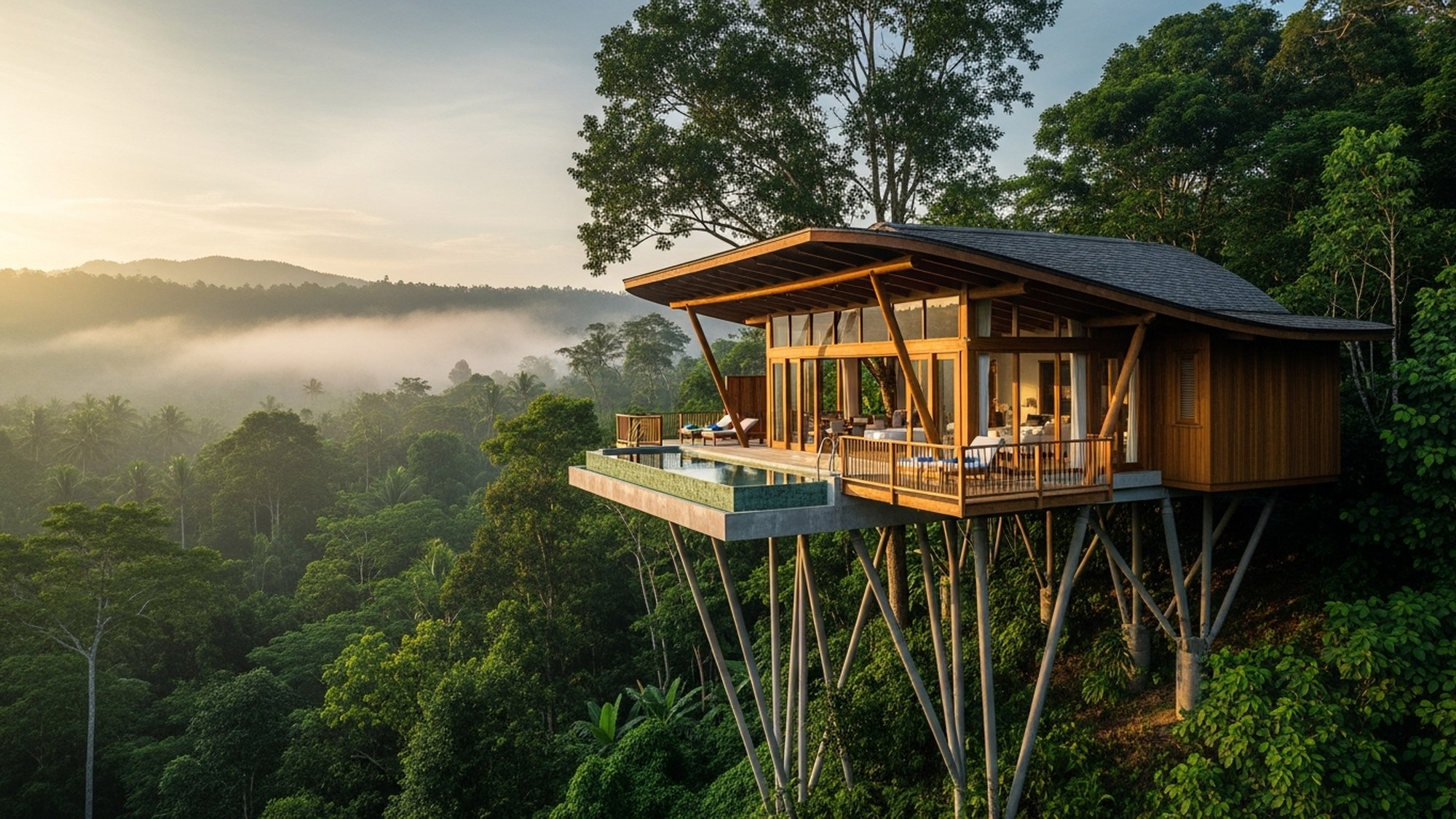
How to Start a Jungle Airbnb
The complete, honest guide to building and running a treehouse, bamboo house or rainforest villa — from choosing a country and the land laws to off-grid systems, budgets, and getting booked.
 Photo: Gregory Heath, CSIRO, CC BY 3.0
Why Jungle Stays Are Booming
The data behind the treehouse boom: four shifts in how the world travels are all converging on the forest — and it looks structural, not a fad.
 Photo: Vyacheslav Argenberg, CC BY 4.0
When to Visit the Jungle: A Season-by-Season Guide
There's no single best time to visit 'the jungle' — because it isn't one place. Here's when to go, region by region, with a month-by-month cheat sheet.
 Photo: Derek Ramsey (Ram-Man), CC BY-SA 4.0
Find your own piece of the canopy.
Treehouses, bamboo houses and rainforest villas across 17 destinations — found, vetted and written up honestly.
Browse all destinations