Accessible Jungle Travel
The rainforest has a reputation as the least accessible place on Earth — muddy trails, river crossings, remote lodges up flights of open stairs — and for some of it, that reputation is deserved. But it's far from the whole story. A growing network of boardwalked reserves, canopy gondolas that carry a wheelchair straight into the treetops, single-level lodges and paved botanical forests means that a great deal of the rainforest is genuinely reachable for travelers with limited mobility, and more of it every year. This is a practical, honest guide to what's possible, where the accessible infrastructure actually is, the barriers that are real, and the specific questions to ask before you book — so the forest is a plan, not a write-off.
More possible than it looks
The first thing to say is that "the jungle" isn't one experience with one level of difficulty. Reaching a remote Amazon research lodge by a four-hour boat ride and walking muddy trails is one end of a very long spectrum; rolling along a level boardwalk through primary rainforest, or riding a gondola up into the canopy, is the other. The trick to accessible rainforest travel is choosing experiences from the accessible end of that spectrum — of which there are far more than most people realise — rather than assuming the whole forest is closed to you because its hardest version is.
It helps to be clear-eyed about what "accessible" needs to mean for you specifically, because needs differ enormously — a wheelchair user, someone who walks but tires quickly, someone with a heart or lung condition for whom heat and humidity are the real barrier, and a blind or low-vision traveler all face different rainforests. This guide leans toward mobility, since that's where the physical infrastructure matters most, but returns at the end to the others. And it pairs with our own site's accessibility statement in spirit: the goal is to give you the concrete information to decide for yourself, rather than a vague reassurance that "it's fine."
Aerial trams: the canopy without the climb
The single best innovation for accessible rainforest travel is the canopy gondola or aerial tram — an enclosed or open cable car that carries you slowly through and above the forest canopy, delivering the rainforest's most spectacular vantage point with no walking at all. Because you board at ground level and ride seated, several of these are genuinely wheelchair-accessible, and they turn the canopy — normally the preserve of the able-bodied on a tower or rope bridge — into something anyone can reach.
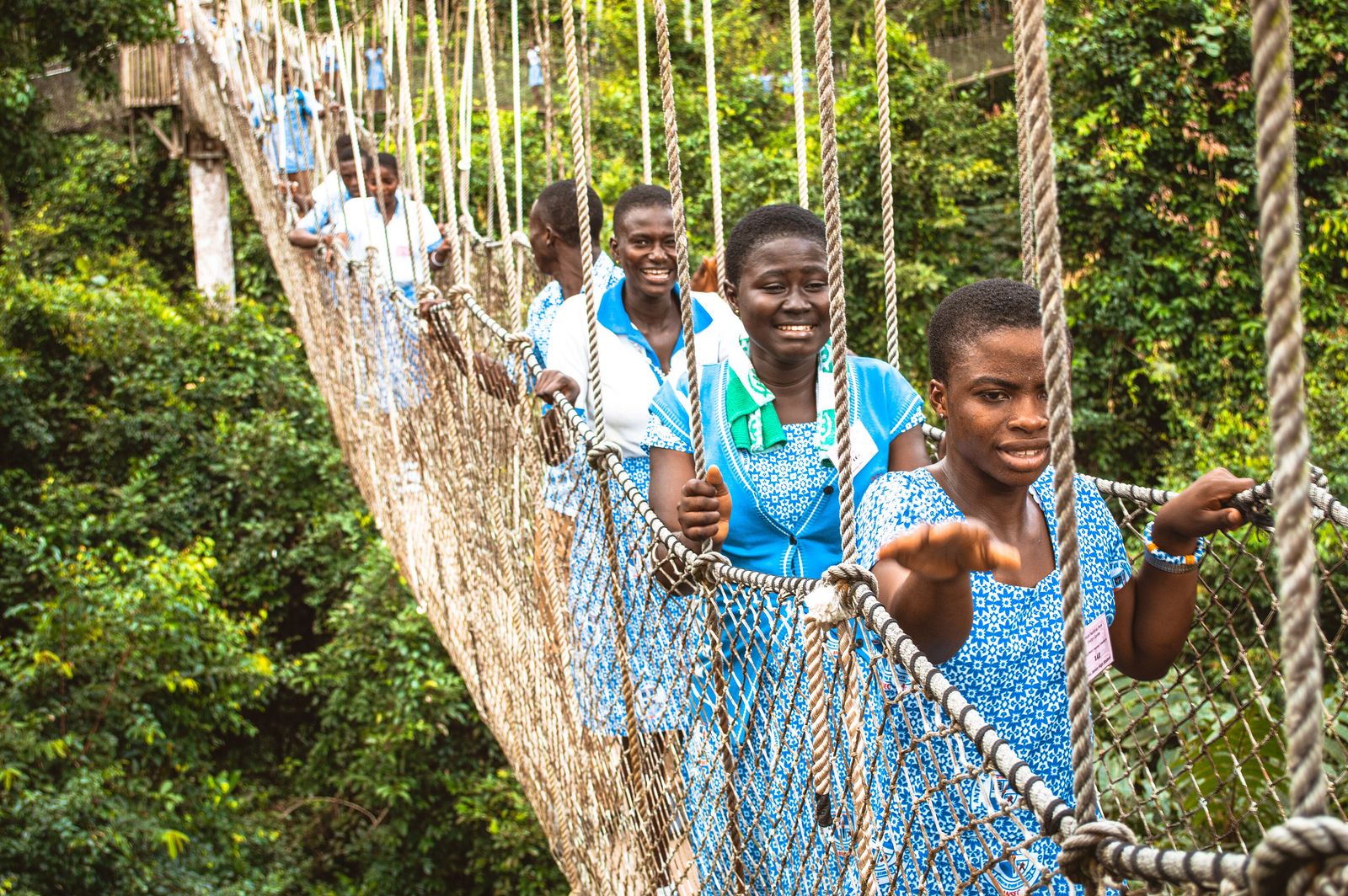
Costa Rica pioneered the format with its original rainforest aerial tram near Braulio Carrillo National Park, a gondola ride through the canopy of genuine primary forest, and similar cable rides operate elsewhere in the tropics. They're often paired with an accessible visitor centre, paved viewpoints, and sometimes a serpentarium or butterfly garden on level ground, making the whole stop a half-day of rainforest that never requires a trail. If seeing the canopy is high on your list, an aerial tram is very often the answer, and it's worth building a trip around one. Our guide to canopy walkways and sky bridges covers the wider family of canopy access, of which the gondolas are the most accessible members.
Boardwalks and paved reserves
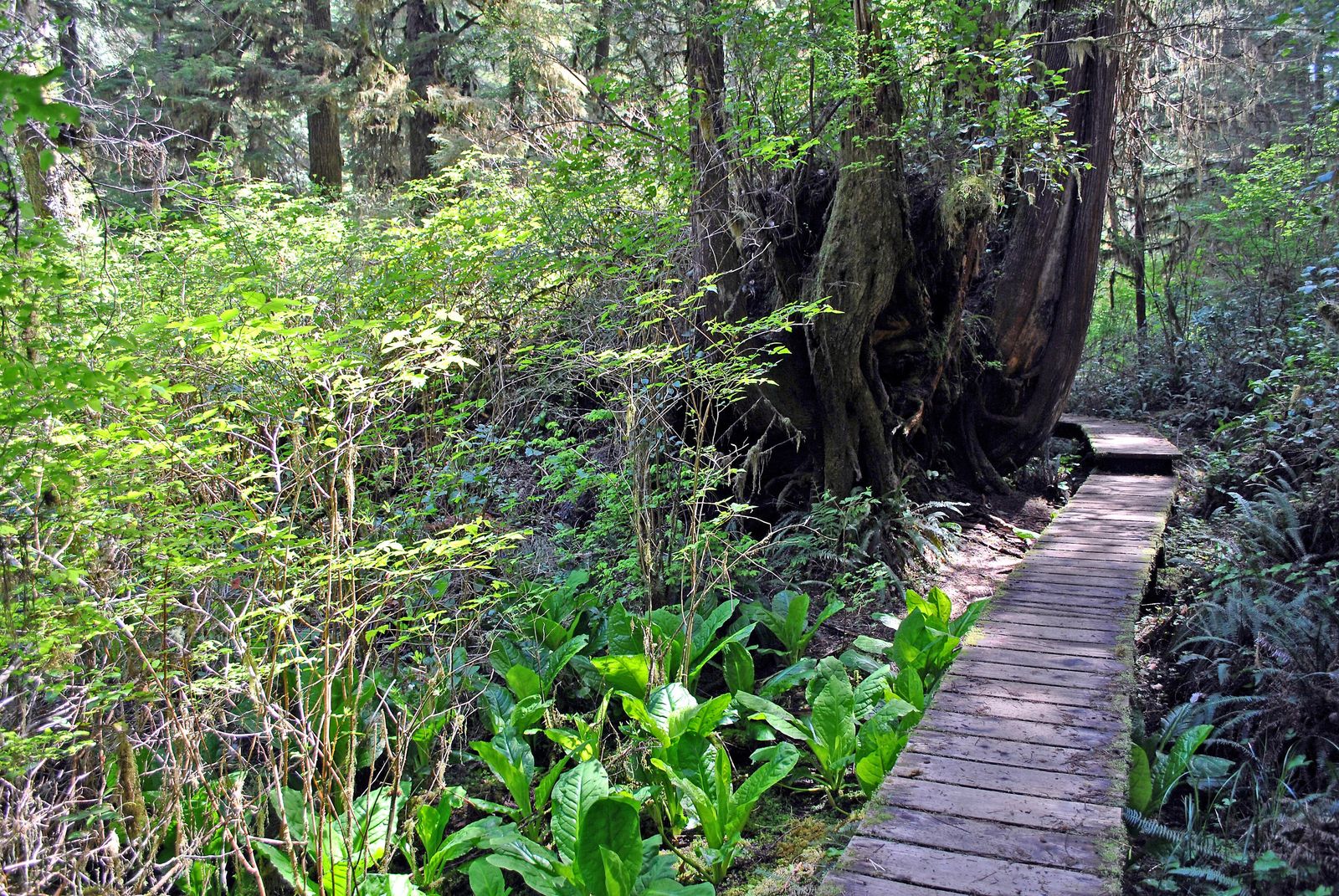
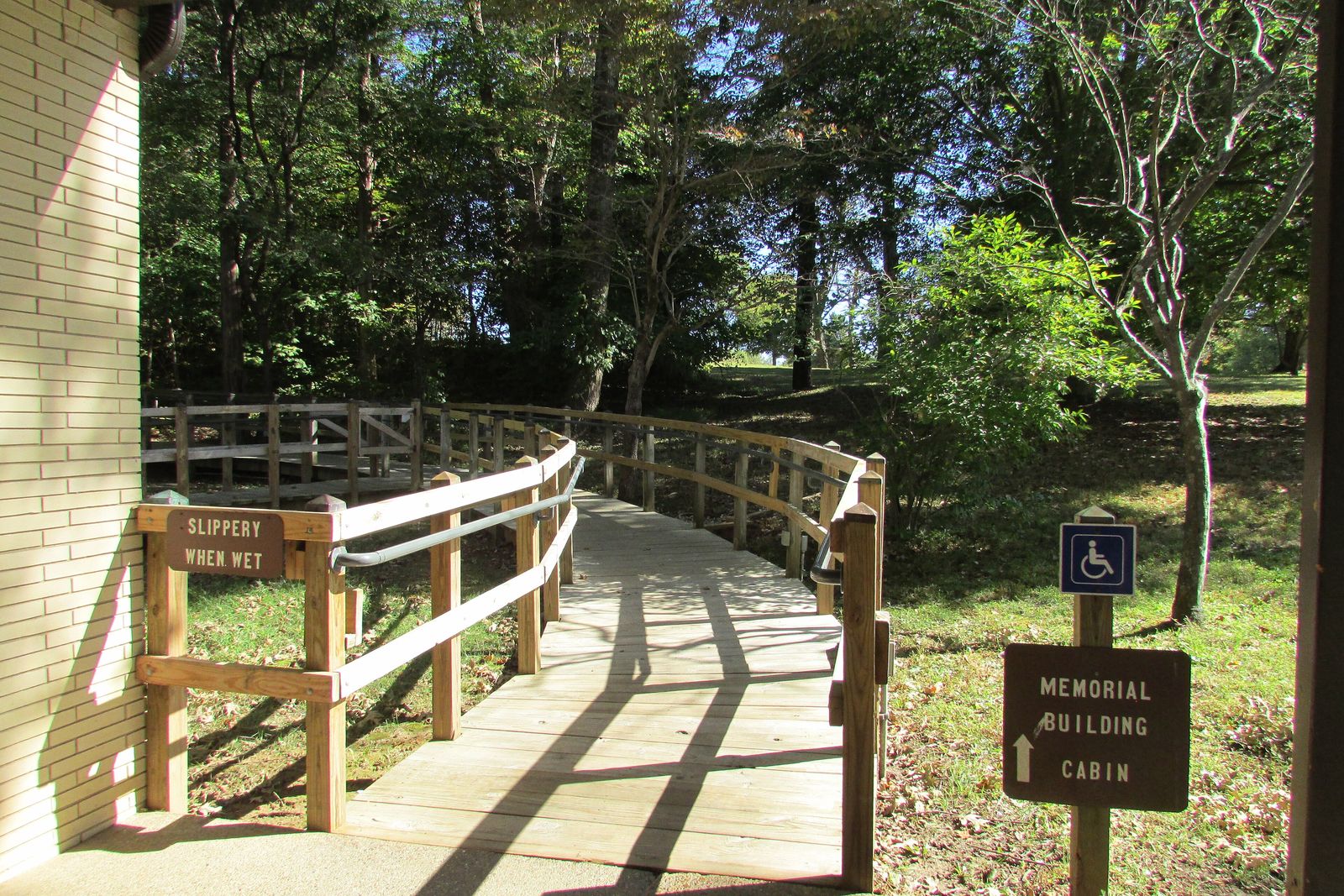
The second pillar of accessible rainforest travel is the boardwalk — a raised or paved level path that lets you move through the forest without contending with mud, roots and slope. Many national parks, reserves, botanical gardens and wildlife centres in the tropics now have at least one accessible boardwalk or paved loop, and these are often superb for wildlife precisely because they're quiet, they hold still, and they pass through habitat at a gentle pace: sloths, birds, monkeys and countless plants are all readily seen from a good boardwalk.
The key is that "boardwalk" covers a range, from a flat, railed, genuinely wheelchair-rated surface to a rougher raised path with steps and steep sections, so the surface, gradient and width all matter and all need checking. The best of them — a level, well-surfaced loop with resting points and accessible facilities — deliver real primary rainforest with real wildlife to travelers who could never manage a trail, and they exist in Costa Rica, Hawai'i, Puerto Rico, Australia's Daintree and beyond. Botanical gardens and dedicated wildlife-rescue centres deserve a special mention here: they tend to be the most consistently accessible rainforest experiences anywhere, paved and level by design, and they often guarantee close sightings of the animals — sloths, toucans, frogs — that a wild trail only promises.
Lodges, and the boat-transfer problem
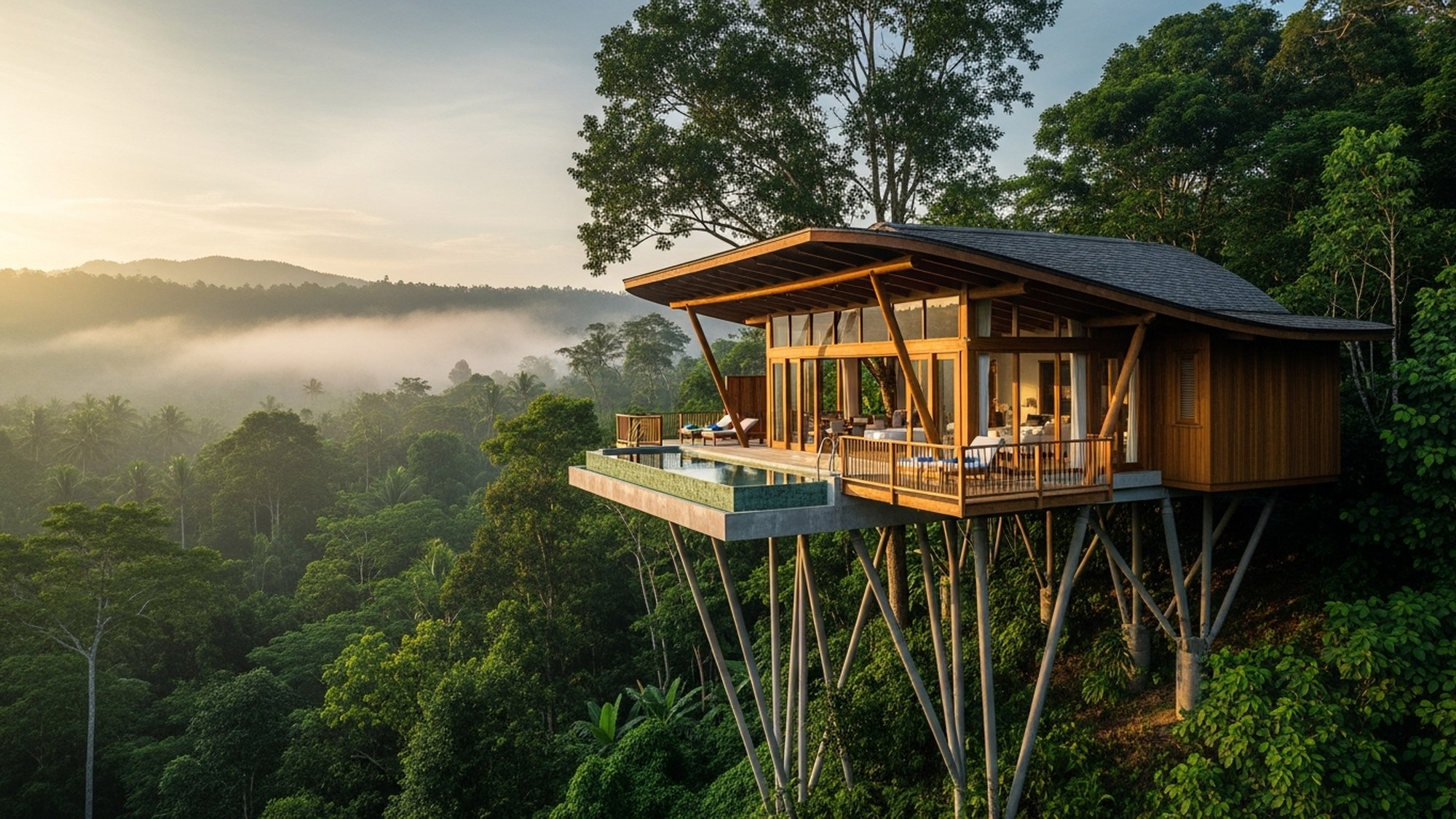
Accommodation is where accessible rainforest travel gets more complicated, and where honest questions matter most. The good news is that a surprising number of jungle lodges are built as single-level, boardwalk-connected properties — raised walkways linking cabins on one level, originally for drainage and wildlife rather than accessibility, but useful all the same. Some newer lodges market genuinely accessible rooms with roll-in showers and step-free access.
The recurring barrier is rarely the lodge itself — it's getting there. The remoter rainforest lodges are reached by boat, and the transfer from a dock (often a simple, uneven riverbank or a floating platform) into and out of a small boat is frequently the single hardest moment of the whole trip for a wheelchair user or anyone unsteady on their feet. This is the thing to probe hardest before booking a remote lodge: not "is the lodge accessible?" but "how, exactly, do I get from the vehicle, onto the boat, off the boat, and to my room, and what help is available at each step?" For many travelers the answer points toward lodges reachable by road, or toward a river cruise where you board once at a proper dock and experience the Amazon from an accessible vessel's deck, rather than a deep-forest lodge with a difficult final approach. Our guide to getting to remote jungle stays lays out the transfer types you'll encounter, and how to book a jungle stay covers confirming details with a host before you commit.
With a remote lodge, the lodge is rarely the barrier. The boat transfer is. Ask exactly how you get from the vehicle to your room, step by step — that answer decides the trip.
The most accessible destinations
Some rainforests are far easier than others, thanks to infrastructure, roads and a culture of accessibility.
Costa Rica
Costa Rica is the standout, and not by accident: a national accessibility law has pushed public and tourist facilities toward inclusion for years, and the country's compact size, good roads and dense concentration of aerial trams, paved reserves, botanical gardens and wildlife centres mean you can build an entire rainforest trip from accessible experiences. Several parks have accessible trails or boardwalks, the aerial trams are a highlight, and the wildlife-rich reserves near the main tourist routes reduce the need for remote, hard-access lodges. It's the easiest place in the tropics to travel well with limited mobility.
Hawai'i
As part of the United States, Hawai'i benefits from ADA standards, and its national and state parks include accessible boardwalks, paved rainforest paths and overlooks, particularly in the volcanic rainforest of the Big Island. Rental cars, paved roads and familiar infrastructure make it the most logistically straightforward rainforest for many U.S. travelers, even where individual trails vary. See our Hawai'i rainforest guide.
Puerto Rico
El Yunque, the only tropical rainforest in the U.S. National Forest System, has an accessible visitor centre, roadside waterfalls and viewpoints you can enjoy without a hike, and paved facilities, making a meaningful amount of the forest reachable from the road — again with the advantage of U.S. accessibility standards and no passport for American travelers.
Australia's Daintree
Australia has strong accessibility norms, and the Daintree region includes accessible boardwalks through ancient rainforest and, at Mossman Gorge, a shuttle and boardwalk network, letting visitors experience one of the world's oldest rainforests on level, well-built paths.
Questions to ask before you book
Because "accessible" is used loosely across the travel industry, the burden falls on you to ask specific, concrete questions and get specific answers rather than reassurances. A useful checklist:
- Getting there: How do I travel from the airport or town to the property — road, boat, or both? If there's a boat, what is the dock like, and what help is there to transfer in and out?
- The room: Is there a step-free room on the ground floor? Are doorways wide enough for a wheelchair? Is the bathroom a roll-in shower or a step-over tub, and are there grab rails?
- Moving around the property: Are the paths between rooms, dining and reception level and firm, or are there stairs, steep ramps, gravel or open ground?
- The activities: Which specific trails, boardwalks or tours can I do? What are their surfaces, gradients, lengths and steps? Is the canopy option a gondola or a rope bridge?
- Facilities and support: Are there accessible bathrooms at the reserves and stops? Can a guide or staff member provide extra help, and is that arranged in advance?
- Medical distance: How far is the nearest hospital or clinic, and what's the evacuation plan? This matters more the remoter you go, and it's a reason to favour better-connected areas.
Photographs, specific measurements and a named point of contact who has actually seen the property beat any brochure adjective. And travel insurance that covers your specific needs and medical evacuation is, as ever, essential — see the reasoning in our packing and preparation guide.
Beyond wheelchair access
Mobility is only one kind of access, and the rainforest is unusually rewarding for some others. For blind and low-vision travelers, the forest is a profoundly multisensory place — the layered sound of birds, frogs and insects, the smell of wet earth and flowers, the feel of humidity and texture — and a good guide can make a sensory rainforest walk extraordinary, arguably richer than the purely visual version. For travelers who walk but have limited stamina, the heat and humidity are often the real limiter rather than distance, so the strategy is short outings, early starts before the day heats up, frequent rest, and the boardwalk-and-gondola approach that minimises exertion.
For those with chronic health conditions, the considerations shift toward climate and remoteness: the heat load is real, and the distance to medical care is the thing to weight most heavily, which again favours the well-connected destinations above over deep-forest expeditions. And travelers with sensory-processing or anxiety needs may find the calmer, structured settings — botanical gardens, wildlife centres, a quiet lodge — far more comfortable than a crowded, unpredictable tour. In every case, the principle is the same: the rainforest is not one experience but many, and choosing the ones that fit your needs is what turns "I could never" into a genuinely good trip.
Common questions
Can a wheelchair user really experience the rainforest?
Yes, meaningfully so, by choosing the accessible end of the spectrum: canopy gondolas or aerial trams that carry you into the treetops seated, level boardwalks through primary forest, paved botanical gardens and wildlife centres with close animal sightings, and road-accessible or river-cruise-based ways to see the Amazon. The remote, trail-and-boat expeditions are the hard part; a great deal of the rest is reachable.
What's the most accessible rainforest destination?
Costa Rica, thanks to a national accessibility law, a compact and well-roaded geography, and an unusual density of aerial trams, paved reserves, botanical gardens and wildlife centres. For U.S. travelers, Hawai'i and Puerto Rico's El Yunque add the advantages of ADA standards and no passport, with accessible boardwalks and roadside viewpoints.
What's usually the hardest part of an accessible jungle trip?
Getting to remote lodges — specifically, the transfer into and out of small boats at rough or floating docks. The lodges themselves are often single-level and manageable; the journey's final leg is the barrier. This is why road-accessible lodges, accessible river cruises, and day trips from an accessible base are often better strategies than a deep-forest lodge with a difficult approach.
How do I know if a "boardwalk" or "accessible trail" really is?
Ask for specifics rather than trusting the label: surface (firm and level, or rough), gradient, width, the presence of steps, total length, and whether there are accessible bathrooms and parking. Request photographs and measurements. "Boardwalk" can mean anything from a flat, railed, wheelchair-rated loop to a raised path with stairs and steep sections, so the word alone isn't enough.
Is the heat a serious problem?
It can be the main barrier, especially for travelers with limited stamina or heart and lung conditions. Manage it with short outings, early-morning starts before the day heats up, plenty of rest and hydration, and by favouring low-exertion experiences like gondolas and boardwalks. Visiting in the drier, slightly less oppressive season for your destination helps too.
Where to go from here
Build the trip from accessible pieces: an aerial tram or two, a level boardwalk reserve, a botanical garden or wildlife centre, and a well-connected base. Start with the most accessible destinations — Costa Rica, Hawai'i, Puerto Rico — and read our guides to getting to jungle stays and how to book one so you can ask the right questions. Then browse the full destination directory or our lodges and reach out to hosts directly — the specific, honest answer you get is what makes the plan real.
- Rainforest Adventures — Costa Rica Aerial Tram — the canopy gondola through primary rainforest and its accessibility.
- U.S. National Park Service — Hawai'i Volcanoes accessibility — accessible boardwalks, overlooks and paved paths in Hawaiian rainforest.
- USDA Forest Service — El Yunque National Forest — accessible visitor facilities and roadside viewpoints in the Caribbean rainforest.
- Mossman Gorge Centre, Daintree — shuttle and boardwalk network through ancient rainforest.
- Visit Costa Rica — Accessible tourism — the country's accessibility law and inclusive-travel infrastructure.
- Wheelchair Travel — destination accessibility guides — practical questions and considerations for accessible travel planning.
More from the Journal.
How to Start a Jungle Airbnb
The complete, honest guide to building and running a treehouse, bamboo house or rainforest villa — from choosing a country and the land laws to off-grid systems, budgets, and getting booked.
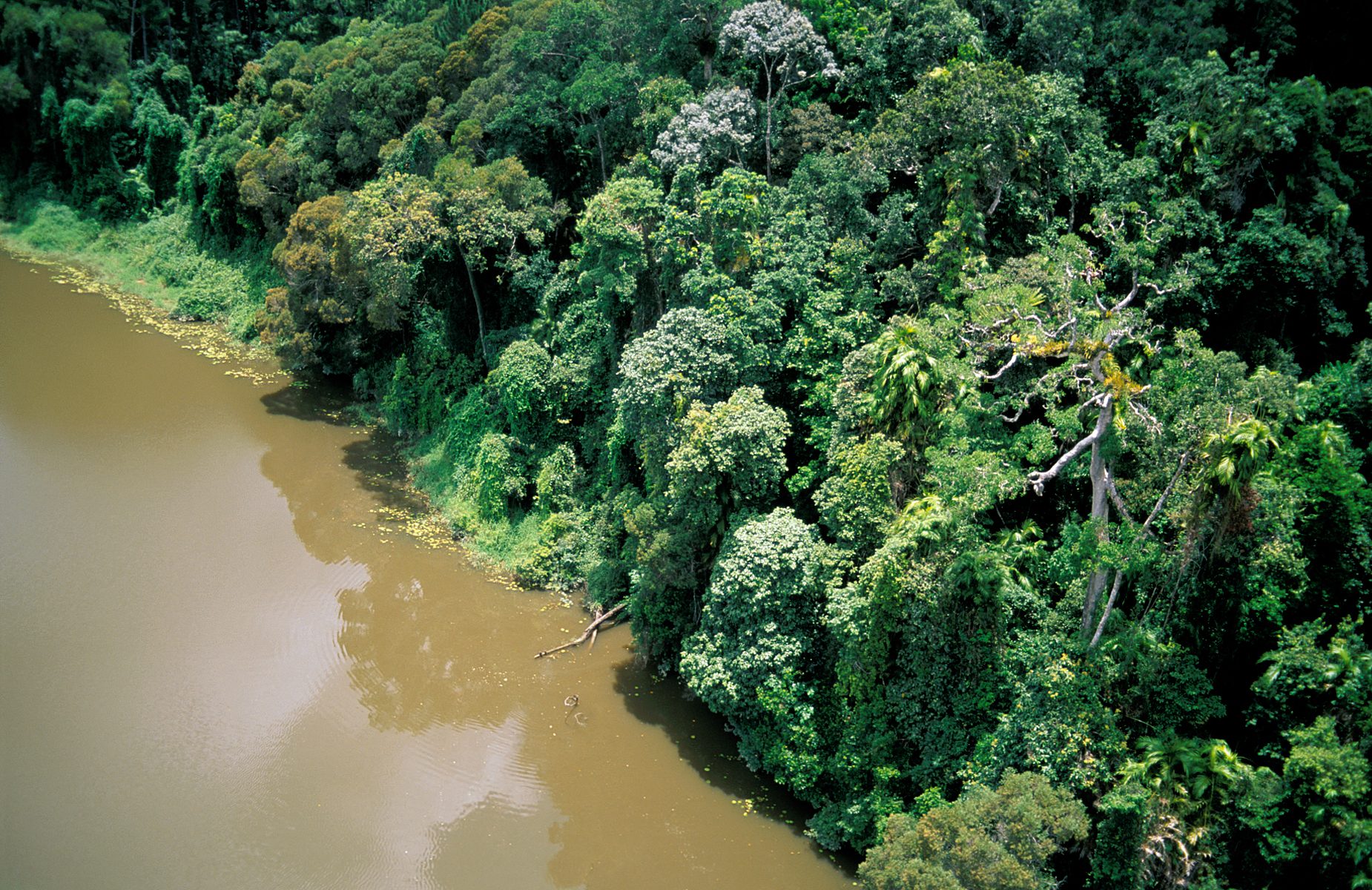 Photo: Gregory Heath, CSIRO, CC BY 3.0
Why Jungle Stays Are Booming
The data behind the treehouse boom: four shifts in how the world travels are all converging on the forest — and it looks structural, not a fad.
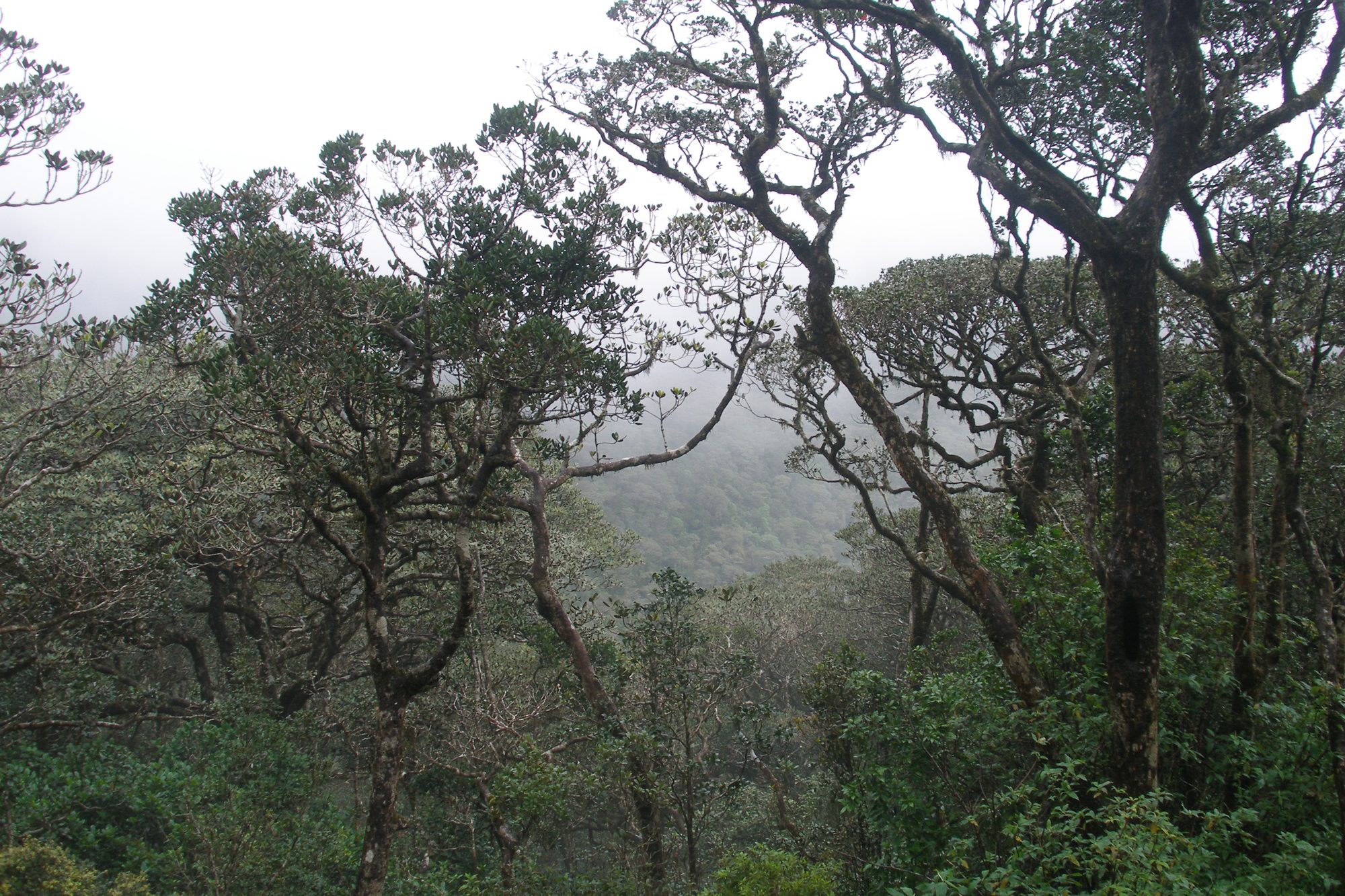 Photo: Vyacheslav Argenberg, CC BY 4.0
When to Visit the Jungle: A Season-by-Season Guide
There's no single best time to visit 'the jungle' — because it isn't one place. Here's when to go, region by region, with a month-by-month cheat sheet.
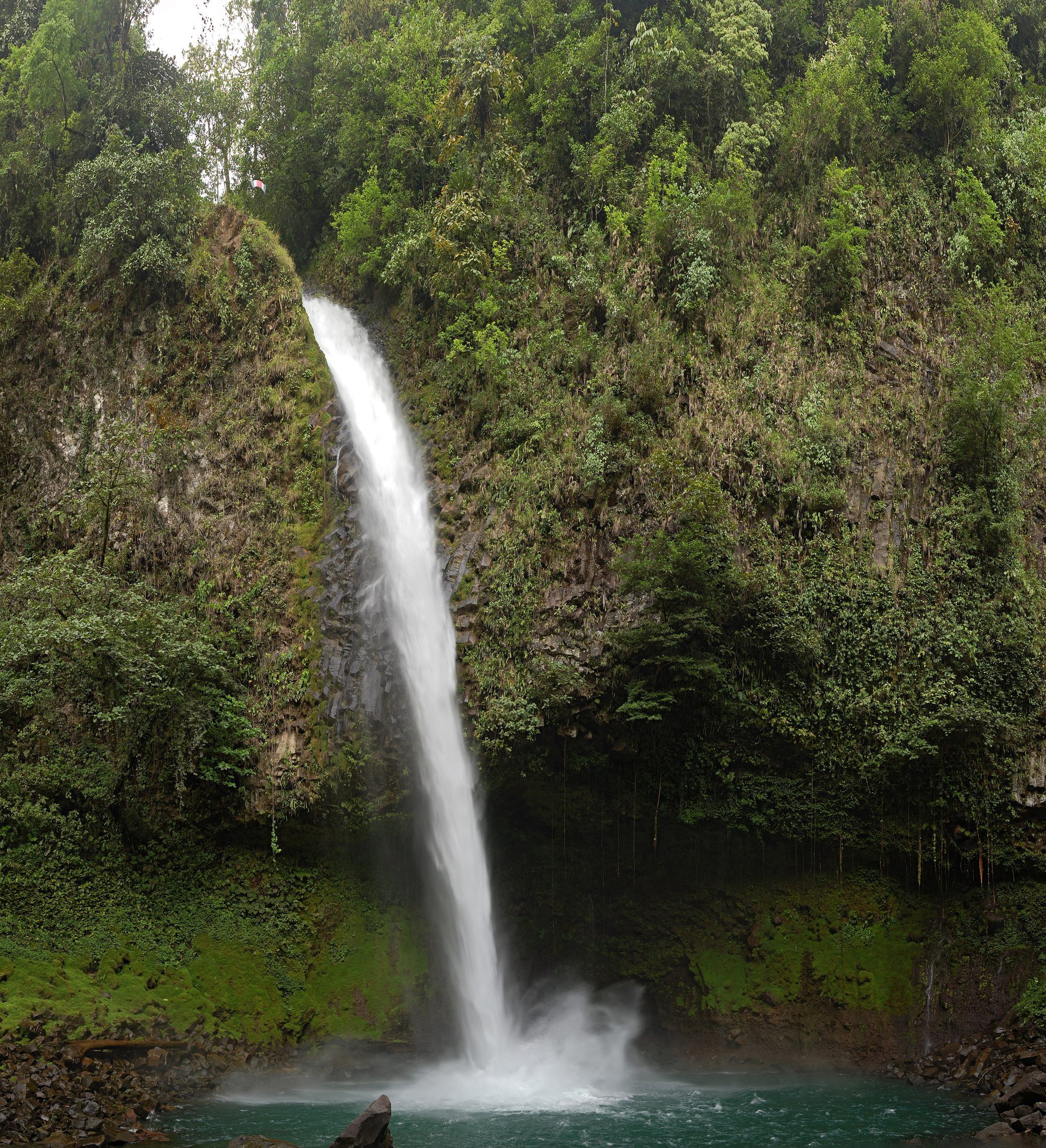 Photo: Derek Ramsey (Ram-Man), CC BY-SA 4.0
Find your own piece of the canopy.
Treehouses, bamboo houses and rainforest villas across 17 destinations — found, vetted and written up honestly.
Browse all destinations