Best Time to Visit the Amazon
Ask ten people who've been to the Amazon when to go and you'll get ten different answers, and most of them are right — because "the Amazon" doesn't run on one calendar. It runs on water. The river rises and falls by meters over the course of a year, and that single fact reshapes everything about a trip: which trails are walkable, which forest you can paddle straight into, where the animals cluster, and even what a boat ride to your lodge looks like. There's no bad time to visit the Amazon. There's only a mismatch between the season you booked and the trip you actually wanted.
High water, low water — the only calendar that matters
Most of the world plans trips around four seasons and a temperature range. The Amazon basin doesn't really have those. It sits close enough to the equator that daytime highs barely move across the year — hot and humid in January, hot and humid in July — so the thing that actually changes, dramatically, is how much water is moving through the system and where it's sitting. Locals and lodge staff across the basin talk about two seasons, not four: vazante or low water, and cheia or high water, with the transitions between them mattering almost as much as the extremes themselves.
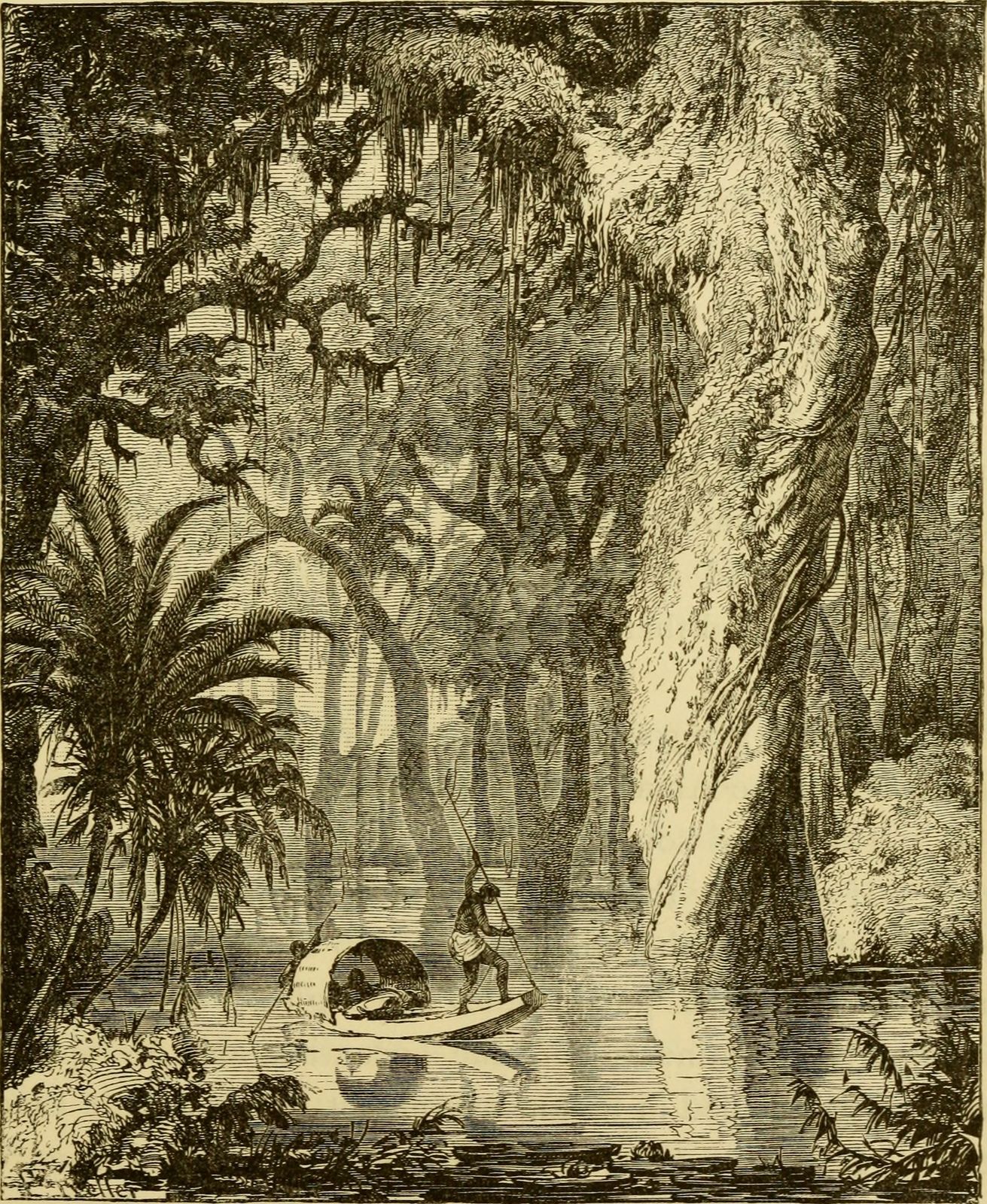
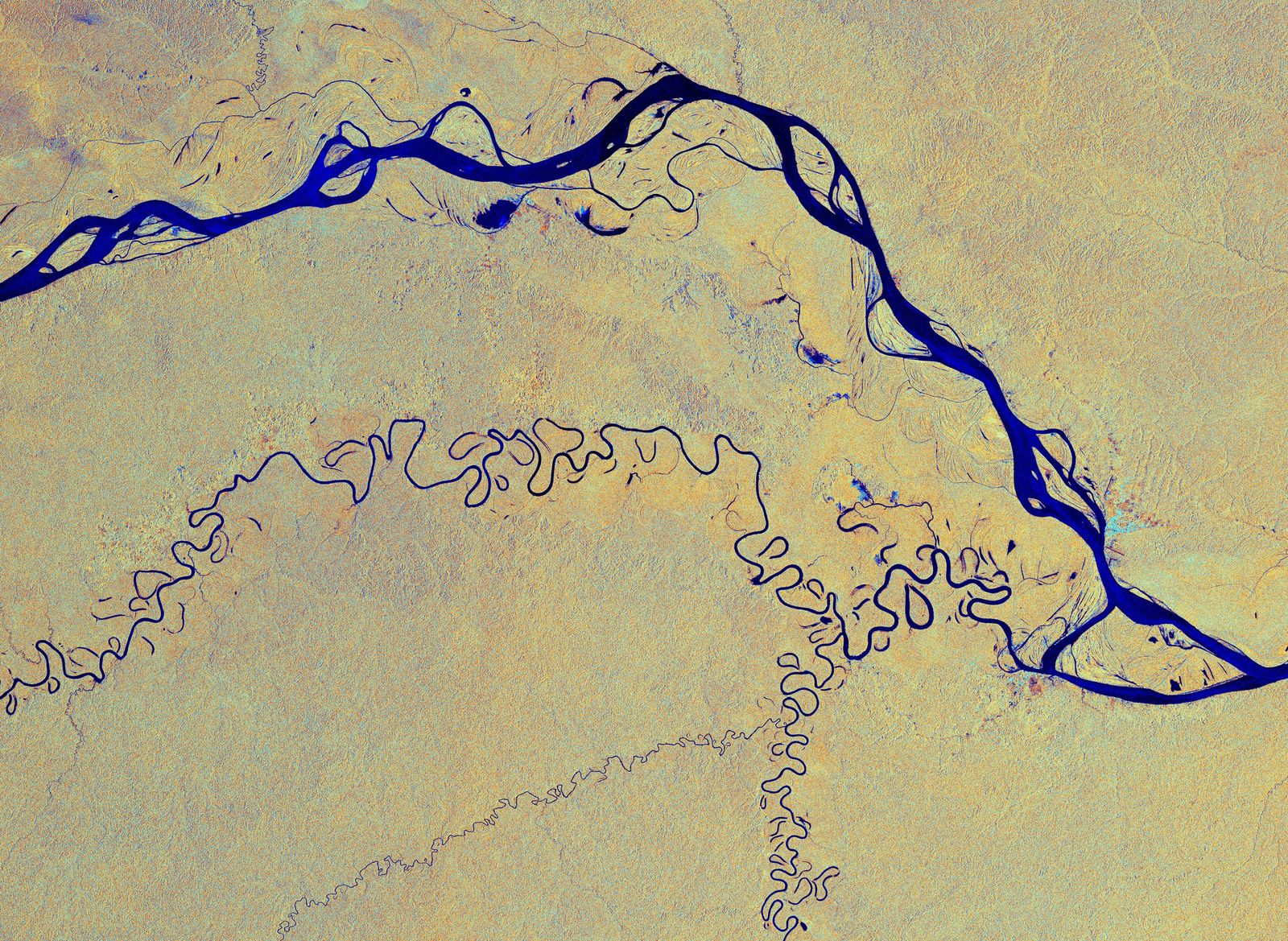
The scale of that swing is hard to picture until you've stood in it. Across much of the Amazon basin, rivers rise somewhere between 7 meters (about 23 feet) in a typical year, and in some stretches of the central basin the difference between the lowest and highest stage can reach 12 to 15 meters. A beach the width of a parking lot in September can be twenty feet underwater by April. A patch of forest you walked through on a dry-season hike can be a canoe route six months later, with fish swimming between the tree trunks. That's not a metaphor — igapó and várzea forest, the seasonally flooded forest that makes the Amazon look the way it does in nature documentaries, is built to spend part of each year submerged.
Broadly, across the central and western Amazon, high water runs from around December through May, and low water runs from around June through November, with the rise building slowly downstream as a single long wave rather than a sudden flood. The lowest levels typically show up in August and September; the highest in April and May. That's the pattern most guidebooks quote, and it's a reasonable starting point — but it isn't universal, and the differences between gateway regions are big enough that they change what kind of trip you should book.
The Amazon doesn't have a wrong season. It has two completely different trips wearing the same name, and the only mistake is booking one while picturing the other.
The seasons, region by region
The four countries most travelers use to reach the Amazon — Peru, Brazil, Ecuador and Colombia — don't run on identical calendars, and two gateway cities within Peru alone disagree with each other. Check the specific region you're booking, not a generic "Amazon season."
Puerto Maldonado and southern Peru (Tambopata, Manu)
This is the most dry-season-friendly corner of the whole basin. The dry season runs roughly April through October or November, with rainfall dropping to around 60mm a month at its lowest, and it's the easier stretch for hiking trails, canopy tower visits, and — notably — for spotting jaguars and tapirs, which come out onto the exposed river beaches that only exist once the water has dropped. Manu National Park, established in 1973 as one of Peru's first and largest protected areas, is often cited as offering the best wildlife-watching odds in the dry season specifically because of those beaches. Wet season here runs November through March or April, roughly 150mm a month, and trades beach sightings for higher water and easier canoe access into the flooded forest.
Iquitos and northern Peru
Iquitos runs wetter and more consistently rainy year-round than the south, with an average of roughly 3,000mm (about 118 inches) of rain a year — genuinely one of the wetter cities on Earth. Even so, there's a real seasonal swing: a wetter stretch from roughly October or November through May or June, with January and February typically the peak rainfall months, and a comparatively drier run from June through October, with September usually the driest. Temperatures barely move either way, sitting somewhere between 21°C and 33°C (70°F to 91°F) year-round. What makes Iquitos different from the southern Peru pattern is that high water is prized here rather than avoided — the flooded forest opens up to small boats, letting you paddle in among treetops that were dry ground a few months earlier.
Manaus and the Brazilian Amazon
Manaus, sitting at the meeting of the Rio Negro and the Amazon River proper, runs a rainy season from roughly November through May and a drier one from June through October. The rainfall difference is substantial — wet-season months typically bring 220mm to 320mm of rain, dry-season months drop to 50mm to 170mm — but the temperature barely changes, holding in the low-to-mid 30s°C (high 80s to low 90s°F) essentially all year. Deeper into the basin, reserves like Mamirauá near Tefé — a floodplain reserve built almost entirely around seasonal flooding — and Cristalino, further south in Mato Grosso, each have their own microclimates worth checking with the specific lodge before booking.
Ecuador and Colombia
Ecuador's Amazon, reached through Tena or Coca, runs somewhat less extreme swings than Peru or Brazil, though rain is a near-daily possibility regardless of month — this is genuinely one of the wettest parts of the basin overall, which is part of why it's also one of the most biodiverse. Leticia, Colombia's tri-border gateway, follows a rainy season from December through June and a dry season from July through November; the dry months bring lower rivers, more open hiking trails, and a genuinely practical upside — noticeably fewer mosquitoes.
Low water and dry season: what you get
Low water is the more forgiving season for a first Amazon trip, and it's the one most lodges quietly steer first-timers toward. With rivers down, sandbanks and beaches appear along the main channels — nesting sites for river turtles, sunning spots for caiman, and, in the southern Peru dry season specifically, some of the better odds anywhere in the basin for spotting jaguar and tapir tracks or the animals themselves along exposed riverbanks. Hiking trails that spend half the year underwater become walkable, so guided forest walks — day and night — make up a bigger share of the itinerary, and canopy towers and platforms are consistently accessible rather than weather-dependent.
It's also, generally, the easier season on the body. Rain still falls in the dry season almost everywhere in the basin — nowhere in the Amazon is truly rainless — but it falls less often and less heavily, mosquito pressure tends to be lower away from standing water, and humidity, while still high, is marginally more bearable than during the wettest months. For travelers combining an Amazon leg with something like a Cusco or Machu Picchu trip through Puerto Maldonado, or pairing it with time in Costa Rica or the Maya jungle around Tulum, dry season tends to line up more comfortably with a broader multi-stop itinerary too, since trail-based activities are less weather-dependent day to day.
The trade-off is that dry season is also when everyone else is thinking the same thing. It's the busier, pricier stretch at popular lodges, and at the very driest extreme — particularly in a strong El Niño year — water levels in parts of the basin have dropped low enough to disrupt boat access and, in severe cases, stress fish and dolphin populations in shrinking channels. That's an edge case rather than the norm, but it's worth asking a lodge directly whether the current year has run drought-strength dry, since conditions do vary meaningfully from one year to the next.
Good to know
Dry season in the Amazon is a relative term, not a promise. Even in the driest months, expect a heavy downpour most days — usually an hour or two, often overnight or in the afternoon — with plenty of clear sky around it. Pack for rain regardless of which season you book.
High water and wet season: what you get
High water flips the entire logic of an Amazon trip. Trails disappear underwater, but that's not a loss so much as a trade: entire stretches of flooded forest, igapó along blackwater rivers and várzea along whitewater ones, become paddleable by canoe, and guides can take small boats directly into forest that's inaccessible on foot the rest of the year. Gliding between tree trunks with fish visible beneath the canoe and birds at eye level in the canopy is, for a lot of repeat Amazon visitors, the single experience that brings them back — and it simply doesn't exist in dry season, when that same forest is standing on dry ground.
High water also brings the Amazon's river dolphins — both the pink botos and the smaller grey tucuxi — closer to lodges and villages as they follow rising water into flooded channels and lakes, and it's typically the better season for spotting them at close range. Water levels this high mean boat transfers to lodges can sometimes run faster and more directly too, since shortcuts through flooded forest that are impassable in low water briefly open up.
What you give up is beach-based wildlife viewing and unrestricted hiking — the sandbanks that host turtles and sunning caiman in dry season are underwater, and forest walks are limited to whatever high ground and boardwalk trails a given lodge maintains. Rain is heavier and more frequent, which for some travelers is simply part of the point: watching a proper tropical downpour move across the canopy from a covered deck is its own kind of Amazon experience, not a disappointment. It's also, generally, the quieter and less expensive season to visit — a genuine trade some experienced Amazon travelers make on purpose.
Wildlife by season
There's no version of "best season for wildlife" that applies evenly across the whole Amazon — it depends entirely on what you want to see.
- Jaguars and tapirs: best odds are dry season, specifically along exposed river beaches in southern Peru's Manu and Tambopata region, where both species come down to the water's edge once the sandbanks are clear.
- River dolphins (pink boto and grey tucuxi): generally more visible and closer to lodges during high water, when they follow rising water into flooded forest and side channels to hunt.
- Macaws and parrots at clay licks: clay licks, where dozens of macaws gather at exposed riverbank clay for minerals, are a dry-season phenomenon almost everywhere they occur — the Tambopata Research Center area in Peru is built specifically around this. High water submerges the licks entirely.
- Primates and canopy birds: both seasons deliver, though wet season's fruiting trees can concentrate monkeys and birds in specific canopy patches, while dry season's clearer sightlines and lower water make spotting from boats and trails somewhat easier.
- Caiman and turtles: dry season, hands down — they bask and nest on exposed sandbanks that simply don't exist once the river rises.
- Insects, frogs and night walks: wet season is genuinely the better season for amphibians and insect life, since both depend on standing water and humidity that peaks with the rains.
A useful rule of thumb: if one specific animal is the reason for the trip — jaguar, harpy eagle, a particular macaw species — ask the lodge directly which season gives the best odds for that species specifically, rather than trusting a generic "best time to visit the Amazon" answer. Reserves like Cristalino in Brazil's Mato Grosso, known among birders for harpy eagle sightings and a bird list approaching 600 species, and Mamirauá near Tefé, built around a seasonally flooded reserve system and known for the endangered white uakari monkey, each have their own seasonal quirks worth confirming directly.
Crowds, prices and when to book
Dry season is the busy season almost everywhere in the Amazon, and it lines up with the same window a lot of travelers use for Machu Picchu, so July through September in particular gets booked out early at well-known lodges — Posada Amazonas and Refugio Amazonas in Peru's Tambopata region, run by Rainforest Expeditions in partnership with the local Ese-Eja community, and Inkaterra Reserva Amazonica nearby routinely fill their highest-demand weeks months ahead. If a dry-season trip is the plan, book three to six months out, more if it needs to line up with a specific school holiday window.
High water and wet season months are generally quieter and, at many lodges, priced a notch lower — a genuine advantage for travelers who don't need peak-season company or who are more focused on the canoe-through-flooded-forest experience than on hiking. Shoulder months, the transition weeks between the two seasons, can be the best-kept secret of all: water levels are moving but not extreme, trails are often at least partly walkable, and lodges haven't hit peak pricing yet.
Whatever season you book, confirm directly with the lodge what the water level actually is that specific month in that specific year — the broad seasonal windows above are useful for planning, but any individual year can run wetter or drier than average, and a good lodge will tell you honestly rather than oversell the season you've already paid for.
Packing and health, season by season
A few things don't change no matter when you go: quick-dry synthetic clothing over cotton, a proper rain jacket rather than a poncho, a dry bag for every boat trip, and mosquito protection with DEET or picaridin, since both seasons carry mosquitoes even if wet season carries more. Yellow fever vaccination is required or strongly recommended for most Amazon regions — check current guidance for your specific country and route well before departure, since some require proof of vaccination at entry — and antimalarial medication is worth a real conversation with a travel clinic, since risk varies by specific area and season. Our guide to malaria, vaccines and jungle health and our broader packing guide both go deeper on this than fits here.
Beyond the baseline kit, season changes the specifics:
- Dry season: sturdier closed-toe shoes for hiking trails, a headlamp for night walks (a bigger share of activities happen on foot after dark), and sun protection — exposed beaches and open water reflect a lot more sun than the shaded understory.
- Wet/high-water season: a heavier-duty rain jacket than you think you need, waterproof footwear or sandals you don't mind getting soaked, extra dry bags (camera gear takes a beating on open boats in a downpour), and a change of clothes kept sealed and dry for evenings, since everything else will be damp most of the trip.
One thing that surprises first-time visitors in either season: temperature swings very little day to day, but nights on the water or in an open-sided lodge room can feel noticeably cooler than the daytime heat, especially after a rain. A light long-sleeve layer earns its space in the bag year-round.
A month-by-month cheat sheet
This is a general guide, not a guarantee — always confirm current conditions with your specific lodge, since regions and even individual years vary.
- December–February: rains build across most of the basin; rivers rising toward high water in Iquitos and Manaus; wettest stretch in northern Peru; still workable dry-ish conditions holding on in southern Peru's Tambopata/Manu region into early December.
- March–May: peak or near-peak high water across most of the basin; best canoe-through-flooded-forest conditions in Iquitos and Manaus; wettest period for southern Peru too, with April often the transition point back toward drier weather.
- June–August: low water building across most regions; dry season in full swing in southern Peru, Manaus and Leticia; peak beach and trail-hiking conditions; also peak crowd season, overlapping with Northern Hemisphere summer travel.
- September–November: driest stretch of the year in most regions — lowest water, best exposed-beach wildlife viewing, fewest mosquitoes in Colombia specifically; northern Peru and the broader basin start trending wetter again by November as the next high-water cycle builds.
Which season fits which traveler
If this is a first Amazon trip and you want the highest odds of a smooth, comfortable, wildlife-dense few days, dry season is the safer bet — more walkable trails, jaguar and tapir odds on exposed beaches, clay-lick macaw gatherings, and a lower chance of a trip built entirely around waiting out rain from a covered deck. It's also simply the more forgiving season for anyone nervous about jungle travel generally; our honest guide to jungle safety covers more of that ground.
If you've done a dry-season Amazon trip before, or you're specifically drawn to the flooded-forest, paddle-among-the-treetops version of the Amazon, high water delivers something dry season structurally cannot — plus lower prices and fewer other travelers at most lodges. It's also, honestly, a better season for anyone who finds a genuine tropical downpour more atmospheric than annoying.
Traveling with kids tends to favor dry season for the same reasons it favors first-timers generally — more activities, fewer long stretches confined to the lodge waiting out rain — and our family jungle guide has more on that. Solo travelers can make either season work, since Amazon lodges run structured, guided itineraries regardless of who's booking; see our solo jungle travel guide for more on how that structure actually plays out day to day. And if you're weighing the Amazon against another jungle destination entirely — Bali, Sri Lanka, or somewhere closer to home like Florida or Hawai'i — our full destinations directory is the place to compare before committing to a season and a booking.
Common questions
Is there a truly rain-free season in the Amazon?
No. Every part of the Amazon basin gets rain in every month of the year — "dry season" means noticeably less frequent and less intense rain, not none. Pack a real rain jacket regardless of when you go.
Which season is better for seeing jaguars?
Dry season, generally, and specifically in southern Peru's Tambopata and Manu region, where exposed river beaches during low water draw jaguars and tapirs down to the water's edge. It's still never a guarantee — jaguar sightings are a highlight, not a promise, in any season.
Is the wet season a bad time to visit?
Not at all — it's a different trip, not a worse one. High water opens up flooded-forest canoeing that simply isn't possible in dry season, brings river dolphins closer to lodges, and comes with lower prices and fewer other travelers at most properties.
Do Peru, Brazil, Ecuador and Colombia all follow the same seasonal calendar?
Roughly, but not exactly. Southern Peru (Tambopata, Manu) runs a fairly clean April–October dry season and November–April wet season. Northern Peru (Iquitos) is wetter overall with less dramatic swings. Manaus in Brazil runs a June–October dry season against a November–May wet season. Leticia in Colombia runs dry July–November. Always check the specific gateway region rather than assuming one Amazon-wide calendar.
How far ahead should I book?
For dry-season months, especially July through September, three to six months ahead is a safe window, since well-known lodges fill their peak weeks early. Wet-season and shoulder-month trips generally have more flexibility closer to departure.
Does the season affect health risks like malaria and mosquitoes?
Yes — mosquito activity generally rises with standing water, so wet and high-water months tend to carry higher exposure. That doesn't mean dry season needs no precautions; talk to a travel clinic about antimalarial medication and yellow fever vaccination regardless of which season you're booking. See our malaria and jungle health guide for specifics.
Where to go from here
Once you've picked a season, the next decisions are which country's Amazon fits the trip and which lodge actually delivers on it. Our Peru, Brazil and Colombia destination pages each carry a shortlist of vetted stays, and if you're still comparing the Amazon against jungle trips elsewhere in the world, the full destinations directory is the place to start. Before you book anything, it's worth reading through what to actually check before booking a jungle stay — our guide to booking a jungle Airbnb — and, if the lodge you're eyeing runs on generator power and no cell signal, our off-grid jungle stays guide covers what that actually feels like day to day. And if cost is part of the decision between seasons, our jungle trip cost guide breaks down how much the season itself moves the price.
- Britannica — Amazon River Hydrology — river rise between low and high water, seasonal flood wave timing.
- Mongabay — Flooding, Low Water, High Water in the Rainforest — high/low water seasonal mechanics and flood-stage timing.
- Climates to Travel — Manaus Climate — Manaus rainy/dry season months and monthly rainfall figures.
- Exploor Peru — Weather in Iquitos, Best Time to Visit — Iquitos wet/dry season months, annual rainfall and temperature range.
- Adventure Life — Best Time to Visit the Amazon Rainforest — southern Peru (Tambopata/Manu) dry and wet season rainfall and wildlife patterns.
- Rainforest Cruises — Best Places to Visit the Amazon Jungle — Manu National Park dry-season jaguar and tapir sightings on exposed beaches.
- Green Seashells — Best Amazon Rainforest Lodges in Brazil — Uakari Lodge (Mamirauá), Cristalino Lodge background and specialties.
- South America Travel — Best Time to Visit the Amazon — general high-water/low-water seasonal overview across gateway countries.
More from the Journal.
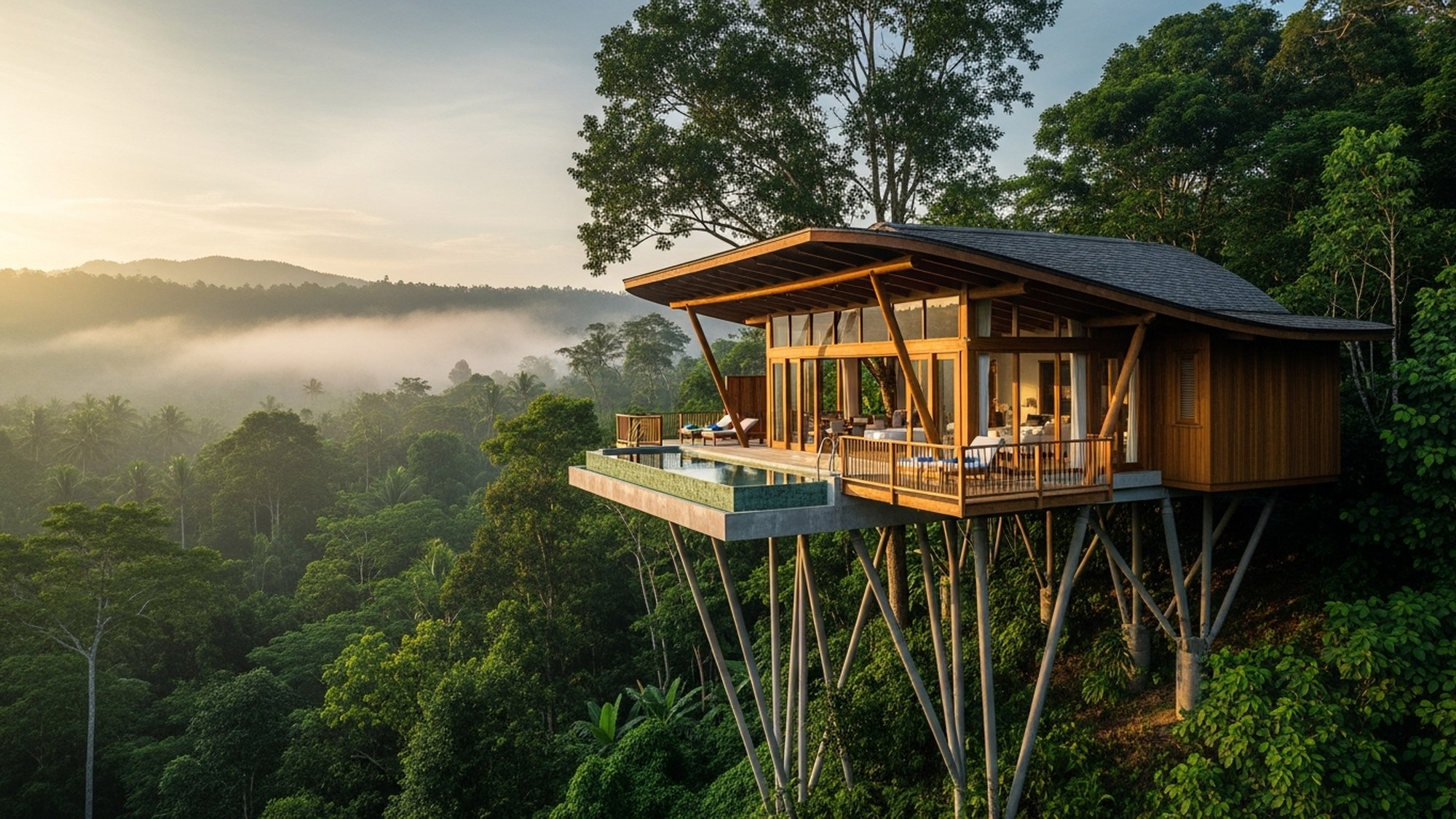
How to Start a Jungle Airbnb
The complete, honest guide to building and running a treehouse, bamboo house or rainforest villa — from choosing a country and the land laws to off-grid systems, budgets, and getting booked.
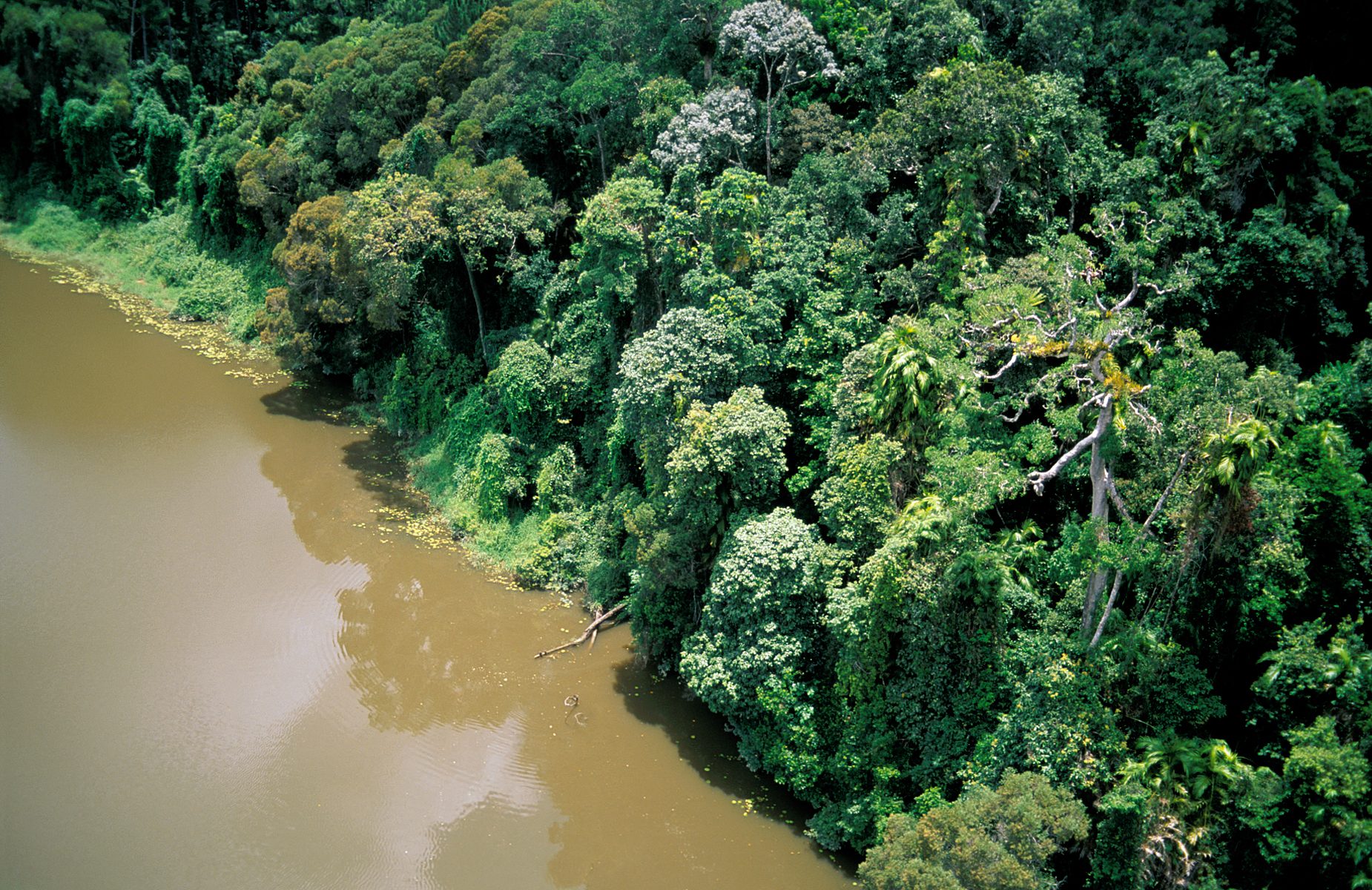 Photo: Gregory Heath, CSIRO, CC BY 3.0
Why Jungle Stays Are Booming
The data behind the treehouse boom: four shifts in how the world travels are all converging on the forest — and it looks structural, not a fad.
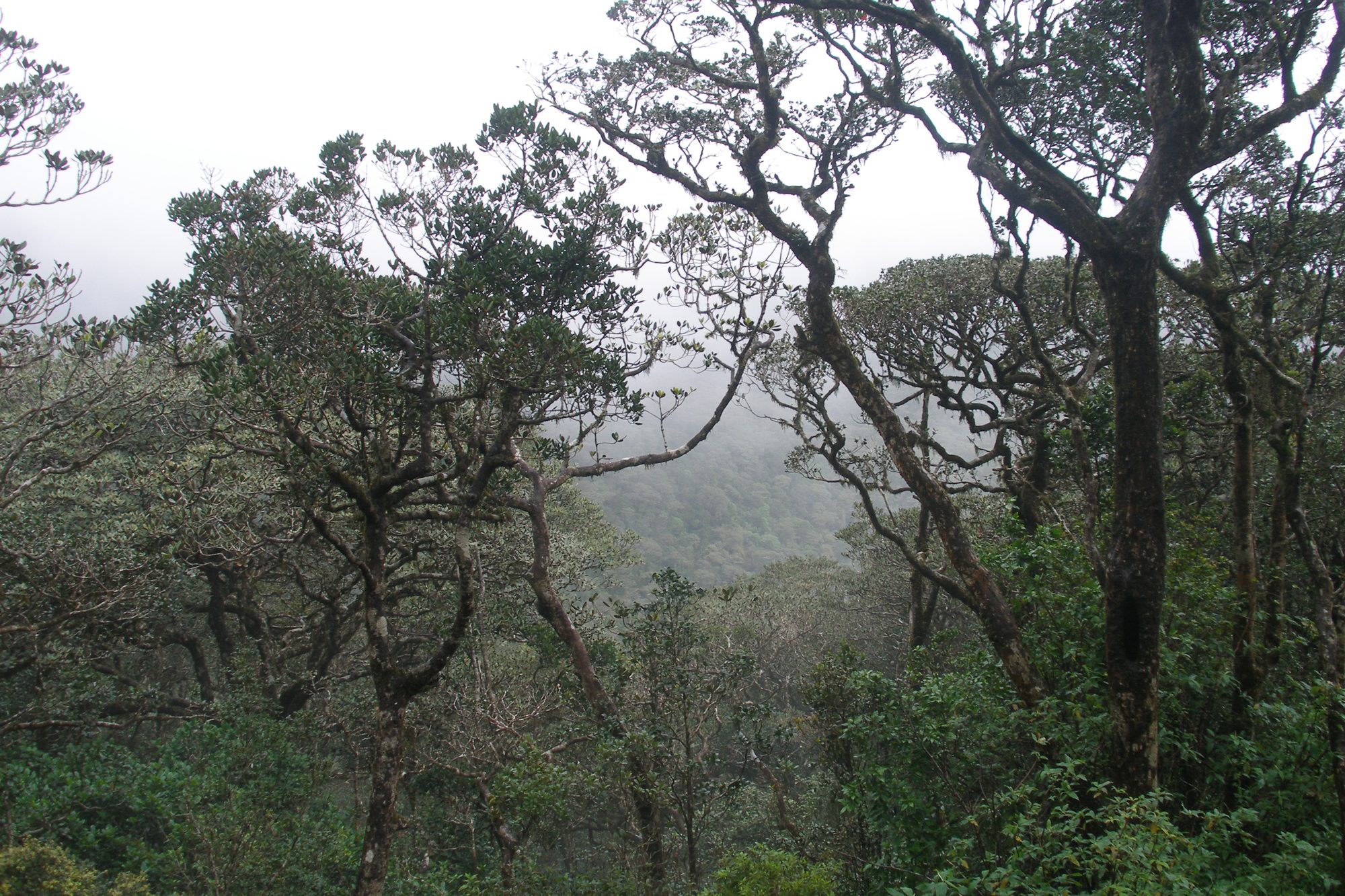 Photo: Vyacheslav Argenberg, CC BY 4.0
When to Visit the Jungle: A Season-by-Season Guide
There's no single best time to visit 'the jungle' — because it isn't one place. Here's when to go, region by region, with a month-by-month cheat sheet.
 Photo: Derek Ramsey (Ram-Man), CC BY-SA 4.0
Find your own piece of the canopy.
Treehouses, bamboo houses and rainforest villas across 17 destinations — found, vetted and written up honestly.
Browse all destinations