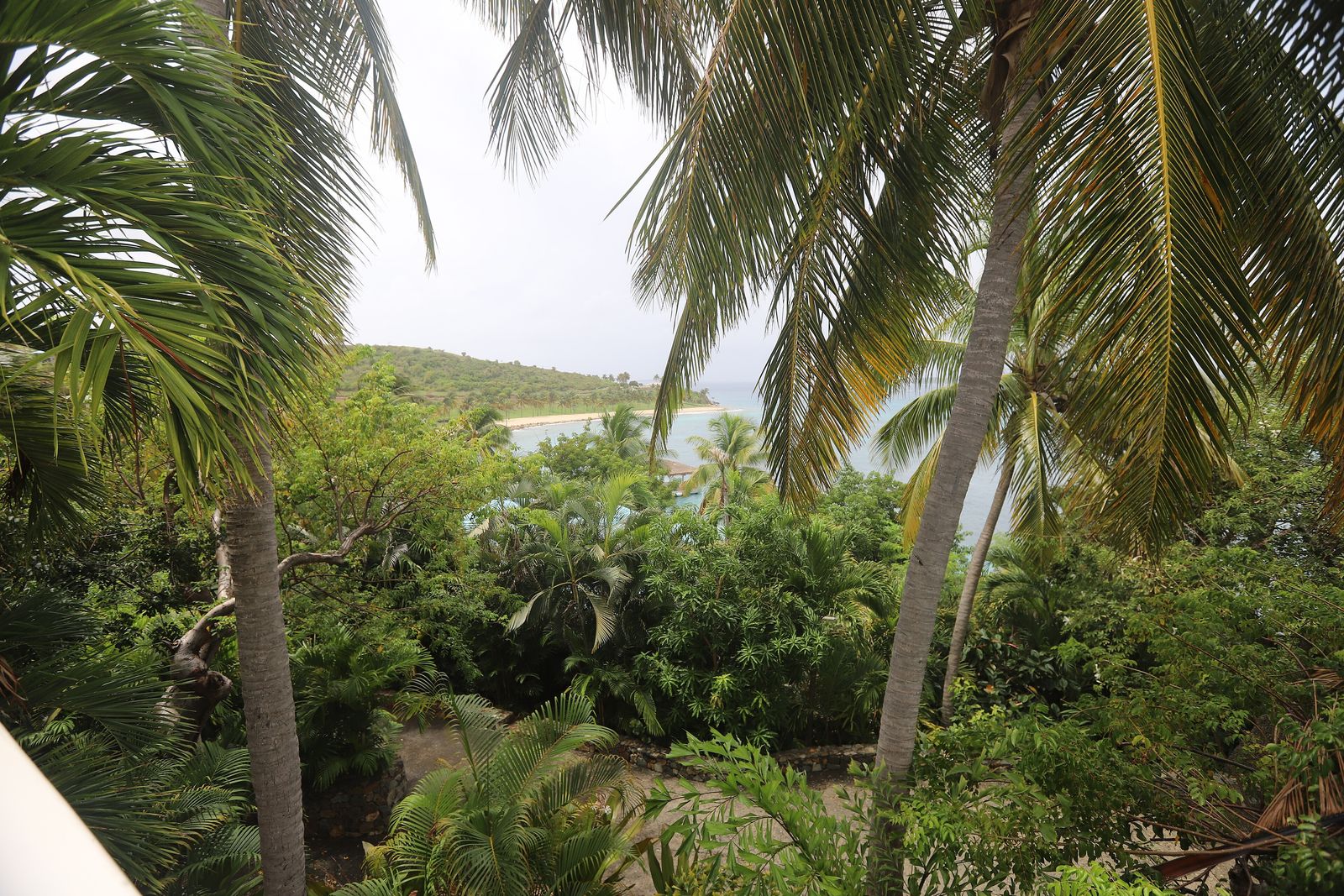
The Best Jungle-and-Beach Stays in the World
There's a particular kind of magic to the places where the rainforest doesn't fade politely into the coast but runs straight down to the sand — where you can hear howler monkeys from a beach, snorkel a reef in the morning and walk a jungle trail in the afternoon, and fall asleep to surf and wake to birdsong. They're rarer than you'd think. Most tropical coasts long ago traded their forest for resorts and coconut plantations, and most rainforests sit well inland. This is our honest ranking of the stays that still have both: canopy behind you, ocean in front, and as little as possible in between. Each is checked against its own reserve, its setting and a source we trust.
Why jungle-and-beach is so rare
It's worth understanding why this list is short, because it explains what makes the places on it special. Coastlines are where people build, so tropical coasts are exactly where rainforest has been cleared first and most thoroughly — for resorts, ports, farms and towns. And the great rainforests that survive tend to be inland, in river basins and on mountain slopes, a long way from any beach. The result is that genuine primary rainforest meeting an unspoiled coast is an unusual combination, usually surviving only where a national park, a private reserve or sheer inaccessibility kept the bulldozers out.
That's the filter for this ranking. Plenty of "beach and jungle" resorts sit on a manicured strip of palms with the nearest real forest an hour's drive away; we've left those off. What made the list are places where the forest reaching the shore is the actual, protected article — often a reserve or park boundary running right down to the tideline — so that the wildlife, the trails and the sense of wildness are as real as the beach. If you want the forest without the coast, our eco-lodge ranking covers the inland classics; this is the shortlist for having both at once.
Costa Rica: the Osa and the Golfo Dulce
No country does jungle-and-beach better than Costa Rica, and no corner of it does it better than the Osa Peninsula and the gulf it shelters, where some of Central America's last great lowland rainforest meets the Pacific.
Lapa Rios sits on its own private rainforest reserve at the tip of the Osa Peninsula, a wildlife corridor bordering Corcovado National Park, on a ridge that looks out over forest on one side and the Pacific on the other — genuinely jungle and ocean from the same window. Scarlet macaws fly over, monkeys and sloths move through the reserve, and the bird list runs past 300 species, while the beach and the sea are a short walk or drive below. It holds Costa Rica's top sustainability certification and was one of the country's eco-lodge pioneers. Verdict: the definitive jungle-and-beach stay — a serious rainforest reserve that happens to overlook one of the wildest coasts in the Americas.
Reachable only by boat across the calm Golfo Dulce, Playa Nicuesa is a small lodge inside a private reserve bordering Piedras Blancas National Park, where the rainforest comes right down to a quiet, swimmable gulf shore. The lack of a road is the whole point: no traffic, no crowds, just forest trails behind the cabins and warm, sheltered water in front, ideal for kayaking and paddleboarding as well as swimming. Verdict: the more intimate, off-grid-feeling alternative to Lapa Rios, and the boat-only access keeps it blissfully quiet.
Australia: where the rainforest meets the reef
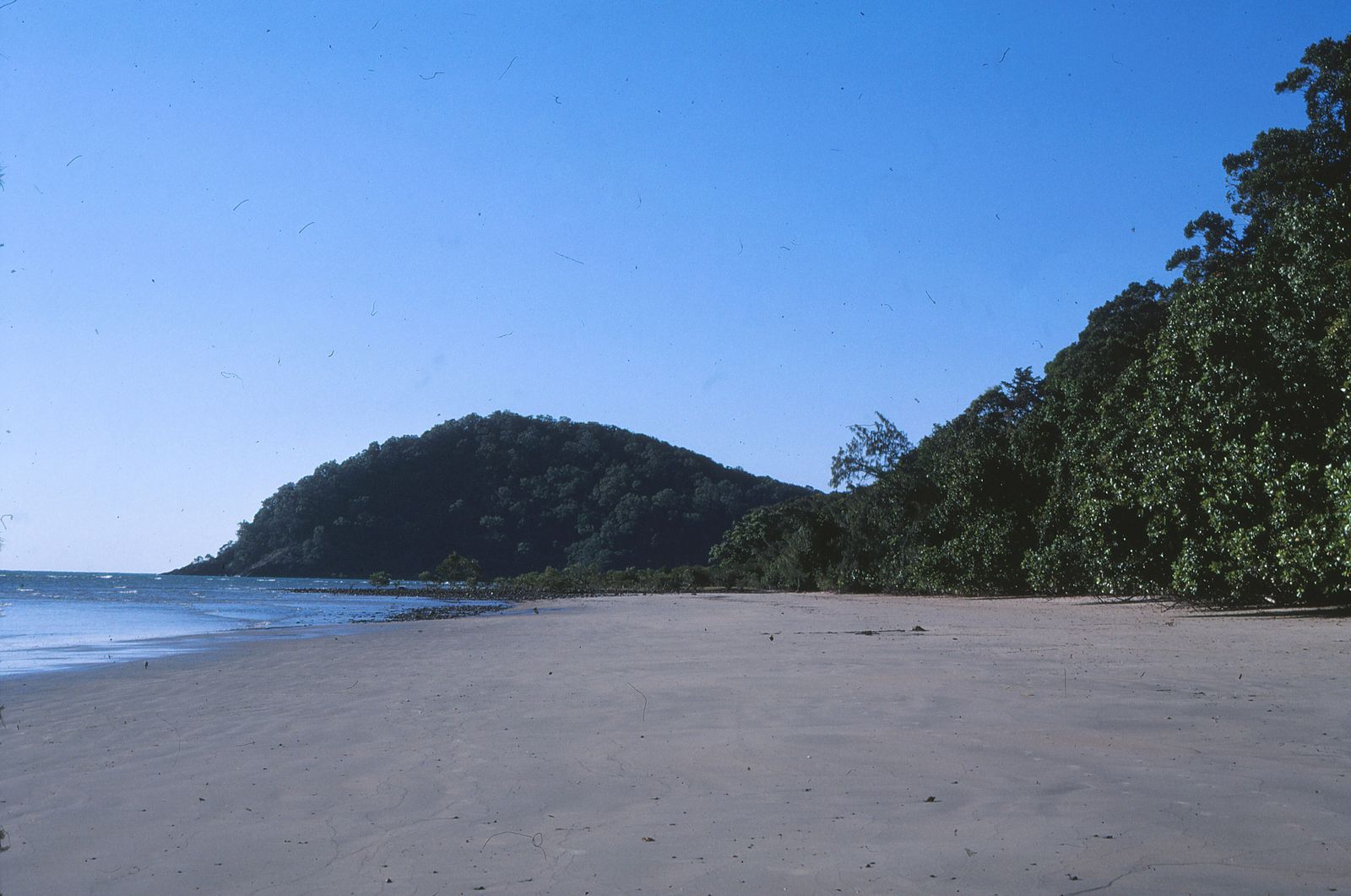
Australia's Daintree, in tropical north Queensland, has the single most famous jungle-and-beach hook on Earth: at Cape Tribulation, the Wet Tropics rainforest — one of the oldest surviving rainforests anywhere — meets the Great Barrier Reef, two UNESCO World Heritage areas touching at the tideline. It's a genuinely singular place to base a trip.
Silky Oaks sits above the Mossman River on the edge of the Daintree rainforest, its treehouse-style suites strung along the forest and river rather than the beach itself — the polished, comfortable base for exploring where the rainforest meets the reef, with the coast and Cape Tribulation within reach for the day. Swimming holes in the river, rainforest walks from the door and reef trips from nearby make it the do-both headquarters of the region. Verdict: the refined choice for the Daintree, forest-and-river at the lodge with the reef a short trip away.
Right at Cape Tribulation itself, a scatter of small eco-lodges and rentable beach houses put you exactly where the forest meets the sand, with the trade-off of genuine remoteness — this is off-grid country, north of the Daintree River ferry, where power is solar and the nearest town is far. It's the spot for travelers who want to wake up in the forest and walk straight onto an empty tropical beach, wildlife and all (with the local caution that estuarine crocodiles mean you swim where you're told). Verdict: the purest jungle-meets-beach location on this list, for those who'll trade polish for standing exactly on the line where the two meet.
Colombia and Panama: Caribbean forest coasts
The Caribbean coasts of Colombia and Panama hold two more outstanding forest-meets-sea settings, both inside protected areas.
Tayrona is the place where the forested foothills of the Sierra Nevada de Santa Marta — the world's highest coastal mountain range — tumble down to a string of Caribbean coves, and the Ecohabs are the only proper lodging inside the park, thatched bungalows climbing a headland with sea and forest views. Set expectations honestly: this is drier tropical forest rather than dripping rainforest, scrubbier and more open, so come for the parkland, the palm-backed beaches and the trails, with monkeys and a big cast of birds along the paths. Verdict: unbeatable for sleeping inside a protected forest-and-beach park, if you accept the dry-forest character and the premium for being the only beds inside the gates.
Panama's Bocas del Toro is a Caribbean archipelago of rainforested islands, where lodges and overwater bungalows sit against jungle that runs to mangrove and beach — Isla Bastimentos even protects a national marine park, with a famous beach where red frogs live in the forest just behind the sand. It's a looser, more laid-back, more affordable scene than the Costa Rican lodges, reached by boat between islands, mixing surf, snorkelling and forest walks. Verdict: the easygoing island version of jungle-and-beach, where a short boat ride separates rainforest trails from Caribbean sand. More in our Panama guide.
The rule that sorts the real ones from the resorts: is the forest reaching the beach an actual protected reserve, or a hotel garden with the nearest wild trees an hour inland?
Hawai'i and Brazil: two more ways to have both
The far eastern end of Maui, reached by the famous winding Road to Hāna, is where Hawai'i's lushest rainforest meets black-sand beaches, sea cliffs and waterfall pools that empty almost into the ocean. Stays around Hāna range from a long-established resort to jungle cottages and rentals, all trading the crowds of west Maui for rain-forest quiet and a coast that feels a century removed from the rest of the island. Verdict: the most accessible jungle-and-beach on this list for U.S. travelers — no passport, world-class rainforest coast, and the drive itself is part of the experience. See our Hawai'i rainforest guide.
Around Itacaré on the coast of Bahia, Brazil's Atlantic Forest — the Mata Atlântica, a rainforest as biodiverse as the Amazon and far rarer — still meets the sea, backing surf beaches reached by forest trails. Lodges here range from surf-focused pousadas to design-led places tucked into the trees above the sand, with the forest's monkeys and birds part of the deal. It's a lush, less-developed alternative to Brazil's famous southern beaches, where the jungle genuinely comes to the shore. Verdict: the pick for pairing real rainforest with Brazilian beach culture, in an ecosystem you won't find anywhere else.
Thailand: forested islands
Southeast Asia's version of jungle-and-beach lives on its forested islands, where a rainforested interior drops to the coast on all sides.
Off Thailand's eastern seaboard, Ko Chang and the quieter Ko Kood keep densely forested, hilly interiors — much of Ko Chang is national marine park — with waterfalls and jungle trails behind beaches on the coast, a very different feel from the developed southern islands. Stays run from simple beach bungalows to a handful of hideaway resorts and villas set into the forest above the sand. Verdict: the Southeast Asian take on the theme, where a short walk inland from the beach leads into genuine island rainforest. Pair it with our Khao Sok guide if you want to add mainland jungle.
How to choose between them
Decide which you want to be primary
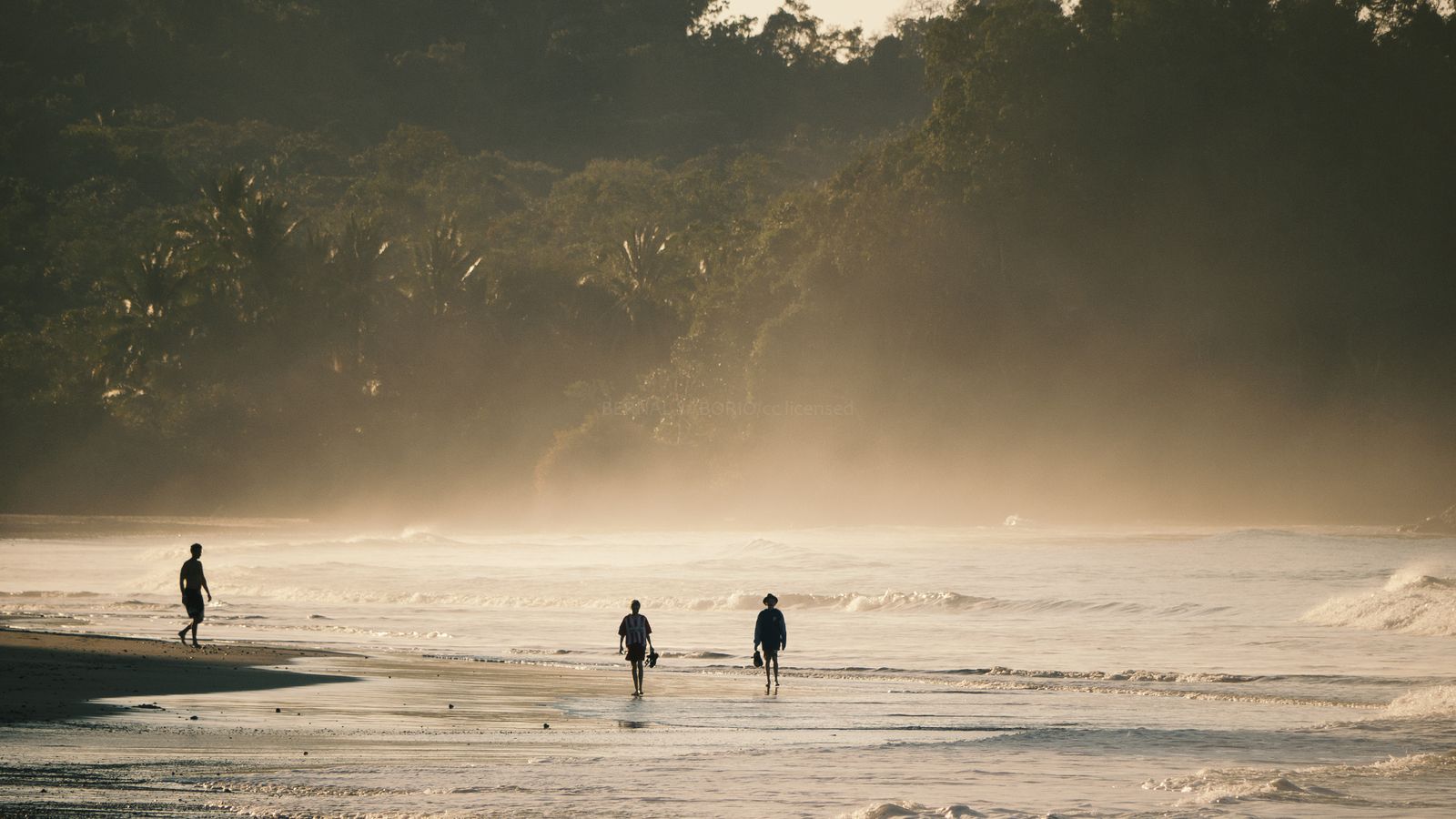
The honest question is whether you want the forest with a beach nearby, or the beach with forest behind it — because even on this list, the balance varies. Lapa Rios, Playa Nicuesa and the Daintree lodges are rainforest stays first, with the coast a walk or short trip away. The Bocas islands, Hāna and the Thai islands lean more toward beach-and-water days with forest as the backdrop. Neither is better; knowing which you're booking prevents the small disappointment of expecting one and getting the other.
Match the wildlife to your hopes
If seeing rainforest wildlife is a real goal, weight the choice toward the genuine reserves — the Osa lodges, the Daintree, Tayrona — where monkeys, sloths, macaws and a serious bird list come with the beach. If the wildlife is a bonus and warm, swimmable water is the priority, the Caribbean and island options deliver more beach and reef for the same days. Our guides to sloths and tropical birds will tell you what each region actually offers.
Factor in the effort to get there
The wildest jungle-and-beach settings are, almost by definition, the hardest to reach — that's often why the forest survived. Playa Nicuesa is boat-only, Cape Tribulation is off-grid beyond a river ferry, Bocas involves island-hopping by boat. If ease matters more than raw wildness, Hāna and the Daintree's polished lodges are the gentlest introductions; if you'll trade effort for empty beaches, the remoter picks reward it. Our guide to getting to remote jungle stays covers the logistics.
Common questions
Where can you actually see rainforest and ocean from the same place?
The clearest examples on this list are Costa Rica's Osa Peninsula, where lodges like Lapa Rios overlook both forest reserve and the Pacific, and Australia's Cape Tribulation in the Daintree, where rainforest hills meet the beach directly. Tayrona in Colombia and the Bocas islands in Panama also put protected forest right against the coast. In each, the forest reaching the shore is a genuine reserve or park, not a hotel garden.
Is "where the rainforest meets the reef" a real thing?
Yes — it's the Daintree region of tropical north Queensland, Australia, where the Wet Tropics rainforest (a World Heritage area, and one of the oldest rainforests on Earth) meets the Great Barrier Reef (another World Heritage area) at the coast around Cape Tribulation. It's one of the few places where two such areas adjoin, which is exactly why it's so celebrated.
Which jungle-and-beach stay is easiest for a first-timer?
Hawai'i's Hāna coast, for U.S. travelers especially — no passport, well-developed access despite the remote feel, and genuine rainforest meeting the sea. Australia's Daintree lodges around Mossman are the next-gentlest, comfortable bases with the wild coast within easy reach. The boat-only and off-grid options reward more adventurous travelers.
Can I swim safely at these places?
Mostly yes, but heed local guidance, which varies by place. The sheltered Golfo Dulce in Costa Rica and the Caribbean coves of Tayrona and Bocas are generally calm and swimmable; parts of tropical north Queensland require care because of estuarine crocodiles and seasonal marine stingers, so you swim where and when you're told. Always follow the lodge's and park's advice rather than assuming.
Are these expensive?
They span a wide range. The flagship reserve lodges (Lapa Rios, Silky Oaks) are premium, all-inclusive-style stays; the Bocas islands, the Thai islands and many Hāna and Itacaré rentals are far more affordable, especially as whole-home or bungalow bookings. As a rule, the more protected and harder-to-reach the forest, the higher the price — you're partly paying for the reserve that kept the setting intact.
Where to go from here
Start by deciding your primary — rainforest with a beach, or beach with rainforest — then match it to a region and a stay above. For the forest-first options, our eco-lodge ranking and stays near waterfalls go deeper on the wildlife side; for whole-home coastal rentals, browse jungle villas and houses and our stays with a private pool. Or begin with the full destination directory and work outward from whichever coast is calling.
- Lapa Rios, official site — private rainforest reserve on the Osa Peninsula overlooking the Pacific, and its sustainability record.
- Playa Nicuesa Rainforest Lodge, official site — boat-access reserve on the Golfo Dulce bordering Piedras Blancas National Park.
- UNESCO World Heritage — Wet Tropics of Queensland — the Daintree rainforest's status and its meeting with the reef coast.
- UNESCO World Heritage — Great Barrier Reef — the reef World Heritage area adjoining the Wet Tropics at Cape Tribulation.
- Tayrona National Natural Park — visitor information — the park where the Sierra Nevada's forest meets the Caribbean, and the Ecohabs.
- Parks Australia / Queensland Parks — Daintree & Cape Tribulation — the forest-to-beach boundary and local swimming and crocodile safety guidance.
- Thailand Department of National Parks — Mu Ko Chang — the forested, largely national-park interior of Ko Chang and the Trat islands.
More from the Journal.
 Photo: Vyacheslav Argenberg, CC BY 4.0
The Best Jungle Airbnbs in the World
Our honest, unpaid ranking of the jungle stays that changed what a night in the forest can be — from Bali's bamboo masterpieces to the floating bungalows of Thailand.
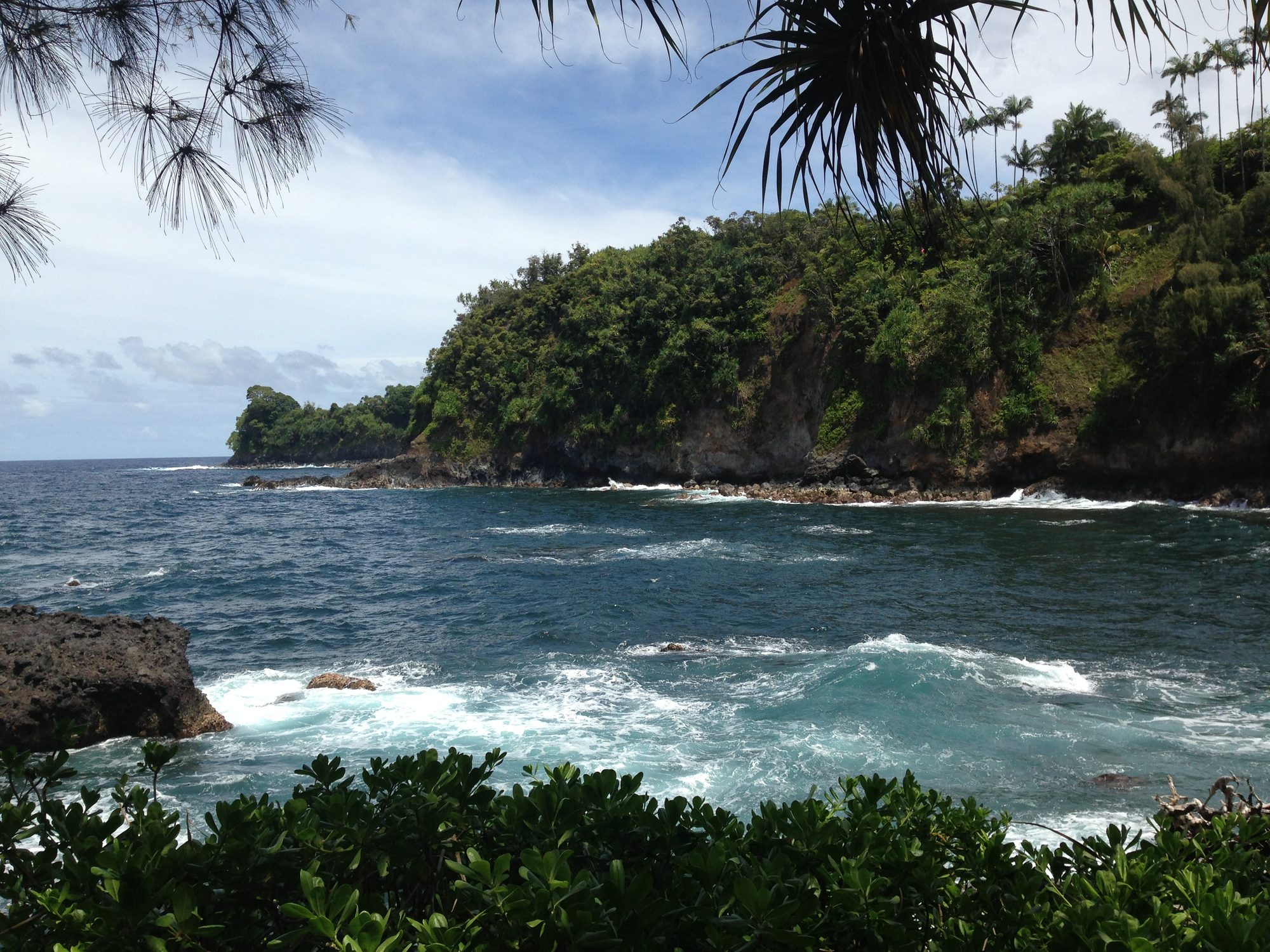 Photo: AlaskaDave, CC BY-SA 3.0
The Best Jungle Airbnbs in the USA
Real rainforest, no passport required — the best treehouses and bamboo houses across Hawai‘i, Puerto Rico and Florida.
 Photo: Bernard DUPONT from FRANCE, CC BY-SA 2.0
The Best Treehouse Airbnbs in the World
Our honest ranking of the treehouses worth crossing an ocean for — from canopy platforms in the Amazon to stilted glass boxes above the rainforest floor.
 Photo: Derek Ramsey (Ram-Man), CC BY-SA 4.0
Find your own piece of the canopy.
Treehouses, bamboo houses and rainforest villas across 17 destinations — found, vetted and written up honestly.
Browse all destinations