What to Eat in the Jungle
Ask people what they expect to eat in the jungle and the answers run to jokes about grubs and mystery stew. The reality is far better and far more interesting: fruit you've never heard of and won't stop thinking about afterwards, river fish grilled the morning it was caught, chocolate eaten as sweet white pulp straight from the pod, and the staple foods — cassava, plantain, rice — that have fed the tropics for millennia. It's also, at a remote lodge, a meal plan you don't get to opt out of, which makes knowing what's coming worthwhile. This is an honest guide to what's actually on the plate in the rainforest, region by region, plus the practical truths about lodge food, dietary needs and staying well.
The fruit is the headline
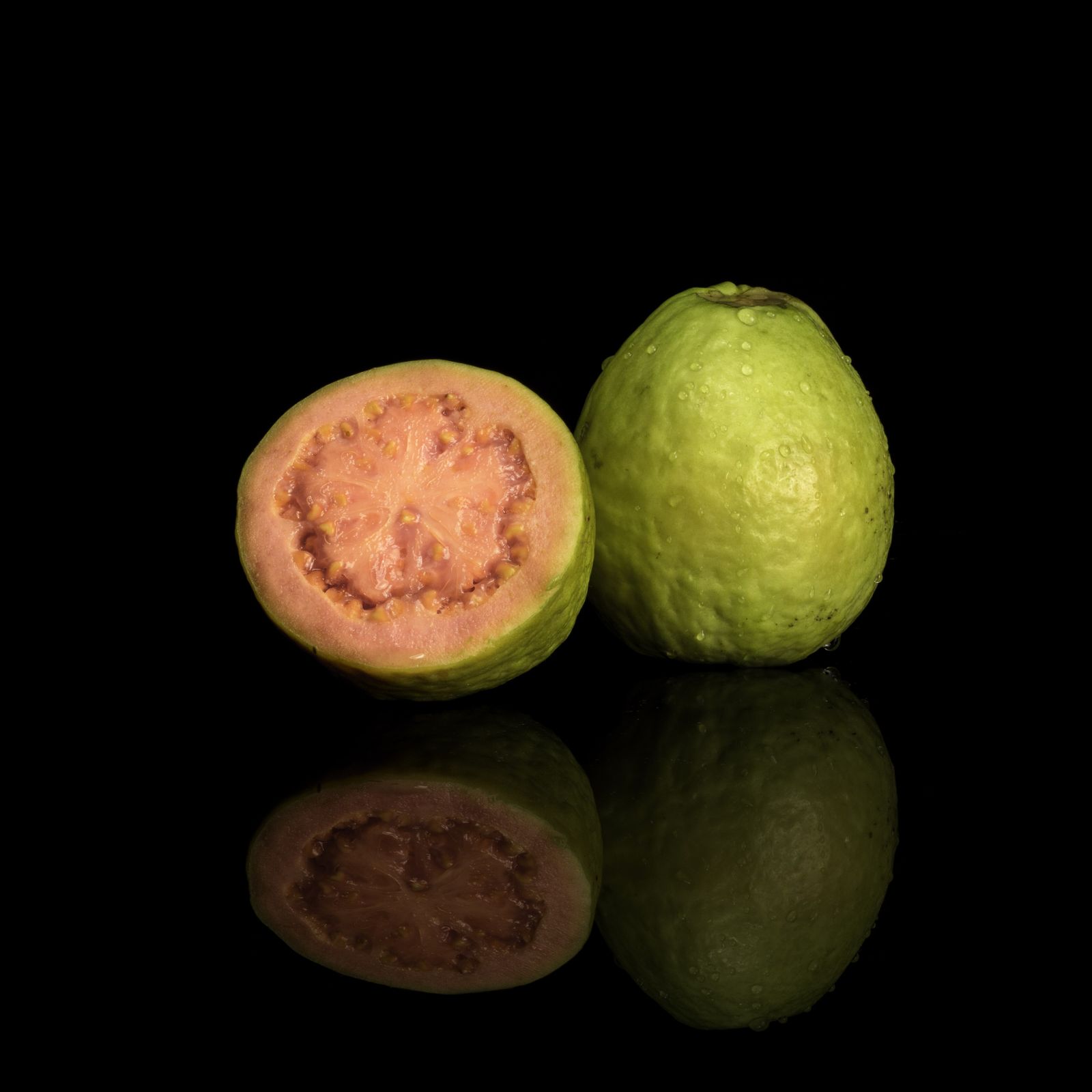
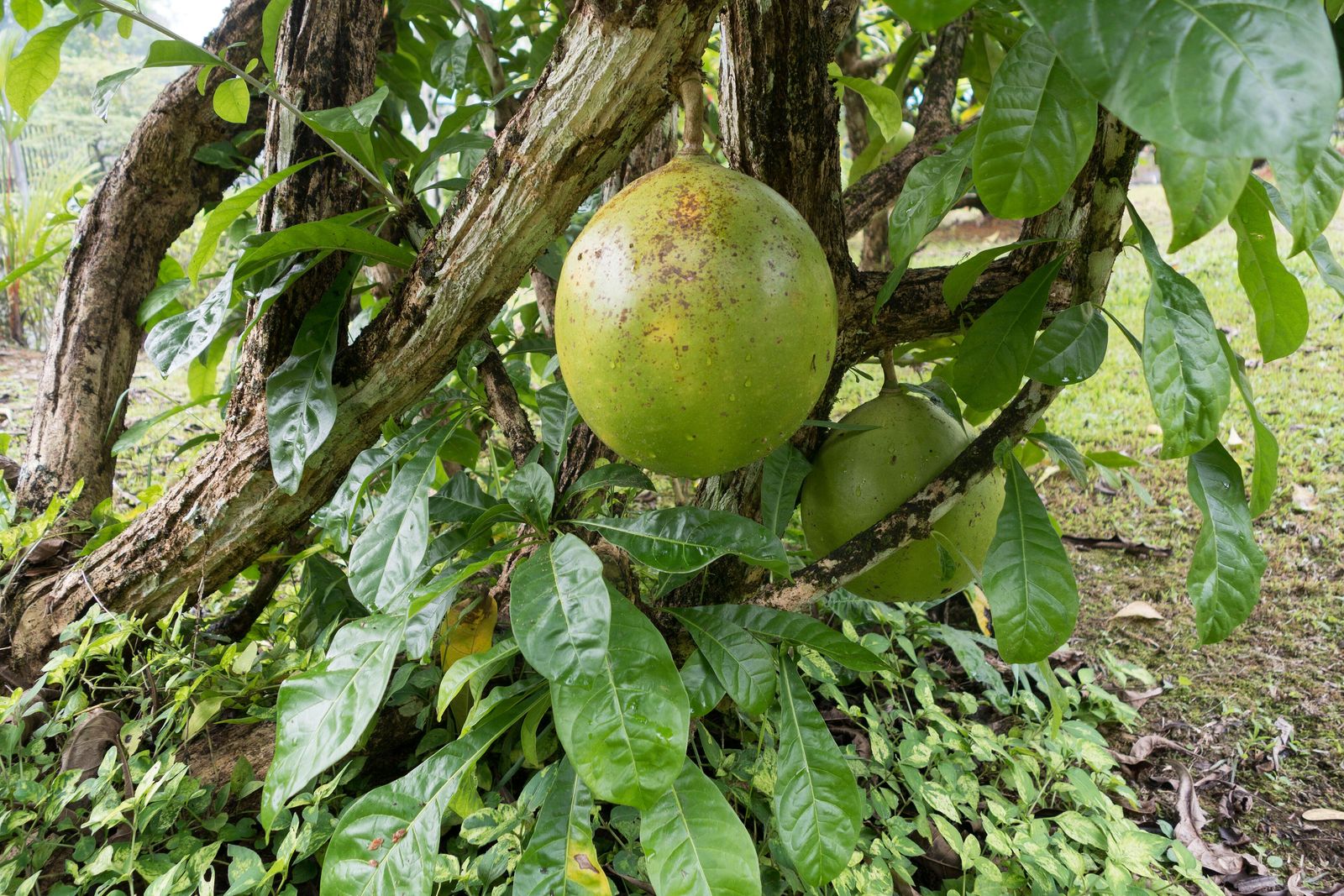
If one thing surprises first-time rainforest travelers about the food, it's the fruit — the sheer variety of it, and how much of it is completely unfamiliar. The tropics are the world's fruit basket, and a rainforest region's markets and lodge breakfast tables carry a rotating cast that a temperate supermarket has never stocked: soursop and its custard-like flesh, mangosteen with its perfumed segments, rambutan and lychee, passionfruit in several forms, star fruit, jackfruit, sapote and mamey, the bracing sourness of camu camu, and — in Southeast Asia — durian, the notorious "king of fruits" that people either adore or flee. Even the familiar names are transformed: a pineapple, a papaya, a banana or a mango eaten within a day of picking, at the place it grew, tastes like a different fruit from the one shipped half a world away.
Much of this fruit you'll meet three ways: whole at breakfast, blended into the fresh juices (jugos, sucos) that are one of the genuine joys of tropical travel, and occasionally growing on the tree as a guide points it out on a walk. Trying the unfamiliar ones is one of the easiest and best pleasures of a rainforest trip — ask your guide or host what's in season and what to try, and treat the market in your gateway town as a destination in its own right. Many of these fruits come from the very plants our guide to rainforest plants covers from the botanical side.
The staples that hold it all up
Beneath the fruit sits a foundation of staple foods that recurs across every tropical forest region, because the same plants thrive everywhere in the wet tropics. The most important is cassava — also called manioc, yuca or mandioca — a starchy root that is the carbohydrate backbone of Amazonian and much tropical cooking, boiled, fried, or ground into the coarse toasted flour (farinha, fariña) that Amazonians sprinkle over almost everything for texture. It's worth knowing that "bitter" cassava is naturally toxic raw and must be properly processed to be safe, a piece of food science Indigenous peoples solved thousands of years ago and that explains the elaborate grating, pressing and toasting you may see demonstrated.
Alongside cassava come plantains — the larger, starchier cousin of the banana, eaten cooked at every stage from green and savoury to black and sweet, fried into chips or patacones/tostones — and rice, and beans, which together make up the plate across much of the tropics. Heart of palm (palmito), the tender core of certain palms, turns up in salads; breadfruit roasts like a potato; and a dozen local greens and tubers fill in the rest. These staples are the reliable, filling, unglamorous base that a lodge meal is built on, and they're genuinely good when done well — a plate of rice, beans, plantain and grilled fish is one of the tropics' great honest meals.
The Amazon: river fish and cassava
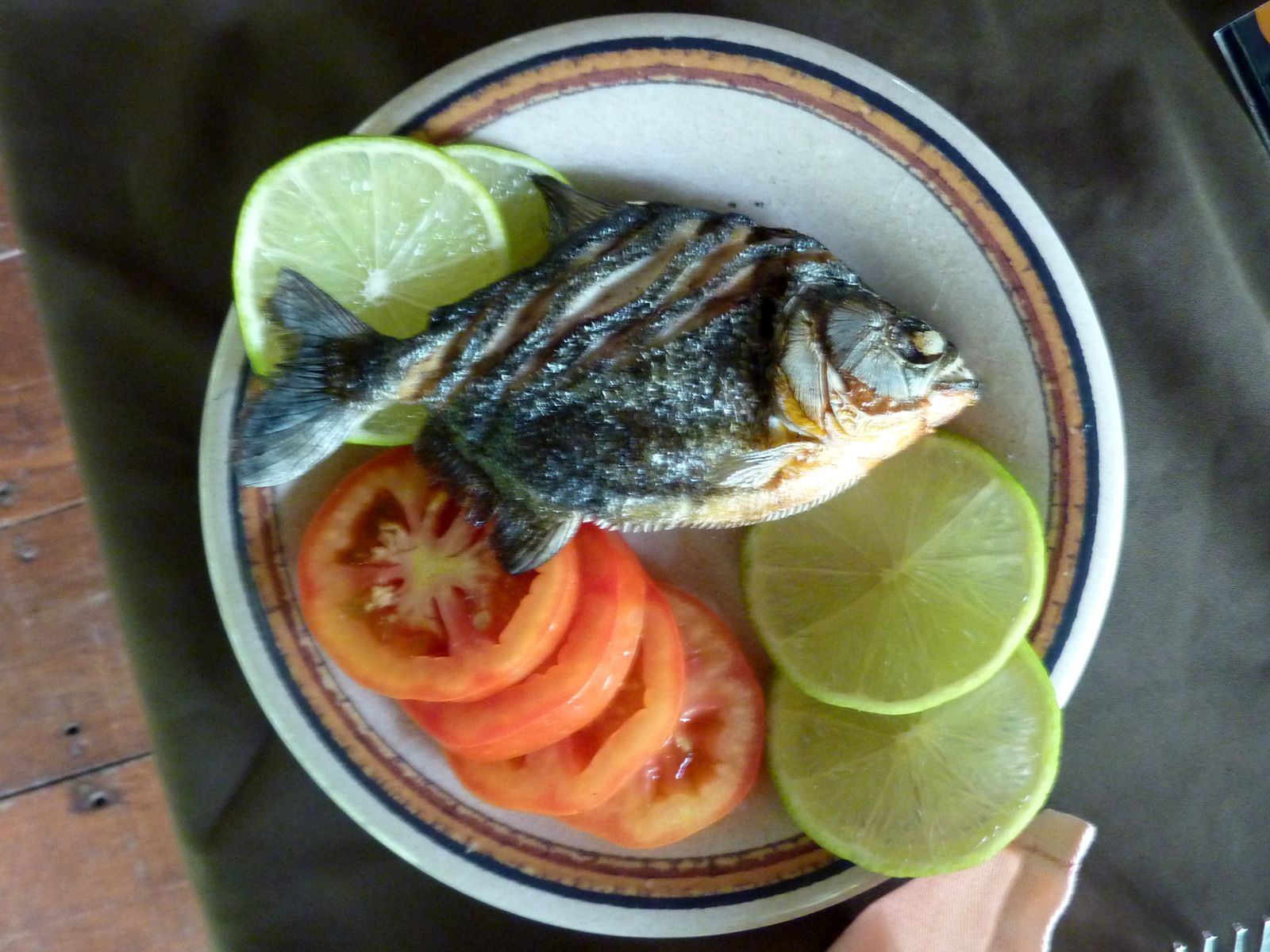
Deep in the Amazon, the food is dictated by the river, and fish is the heart of it. The basin's rivers yield some of the most important food fish in South America — among them the huge pirarucu (arapaima), one of the largest freshwater fish in the world, the fruit-eating tambaqui, and, yes, piranha, which despite its reputation is simply a firm, bony white fish that's commonly grilled or made into soup. At a lodge you may well eat fish caught that day, sometimes on an excursion you joined, grilled simply or stewed with tomato, onion and the ever-present cassava in some form.
The Amazon also has genuinely distinctive regional dishes worth seeking out in gateway cities like Belém, Manaus or Iquitos. Tacacá, a hot soup of tucupi (a broth pressed from cassava) and jambu, a leaf that leaves your mouth tingling and numb, is unlike anything elsewhere. Açaí, which the wider world knows as a sweet purple smoothie bowl, is eaten in its Amazonian home as a thick, savoury accompaniment to fish and farinha. And the Brazil nut — castanha — comes from a giant Amazon tree whose fruiting is so tied to intact forest that the nut is a small emblem of the rainforest's economic value standing up. Our guides to Brazil and Peru point to where these regional tables are richest.
Central America and the home of chocolate
Central America's rainforest food is gentler on the unfamiliar-o-meter but has its own deep pleasures. In Costa Rica, the day starts with gallo pinto — rice and beans cooked together with peppers and cilantro — and revolves around the casado, a plate of rice, beans, plantain, salad and a protein that is the reliable, affordable staple meal (a boon for anyone watching a budget, as our budget guide notes). The Caribbean coasts add coconut-cooked rice and beans, fresh fish and ceviche.
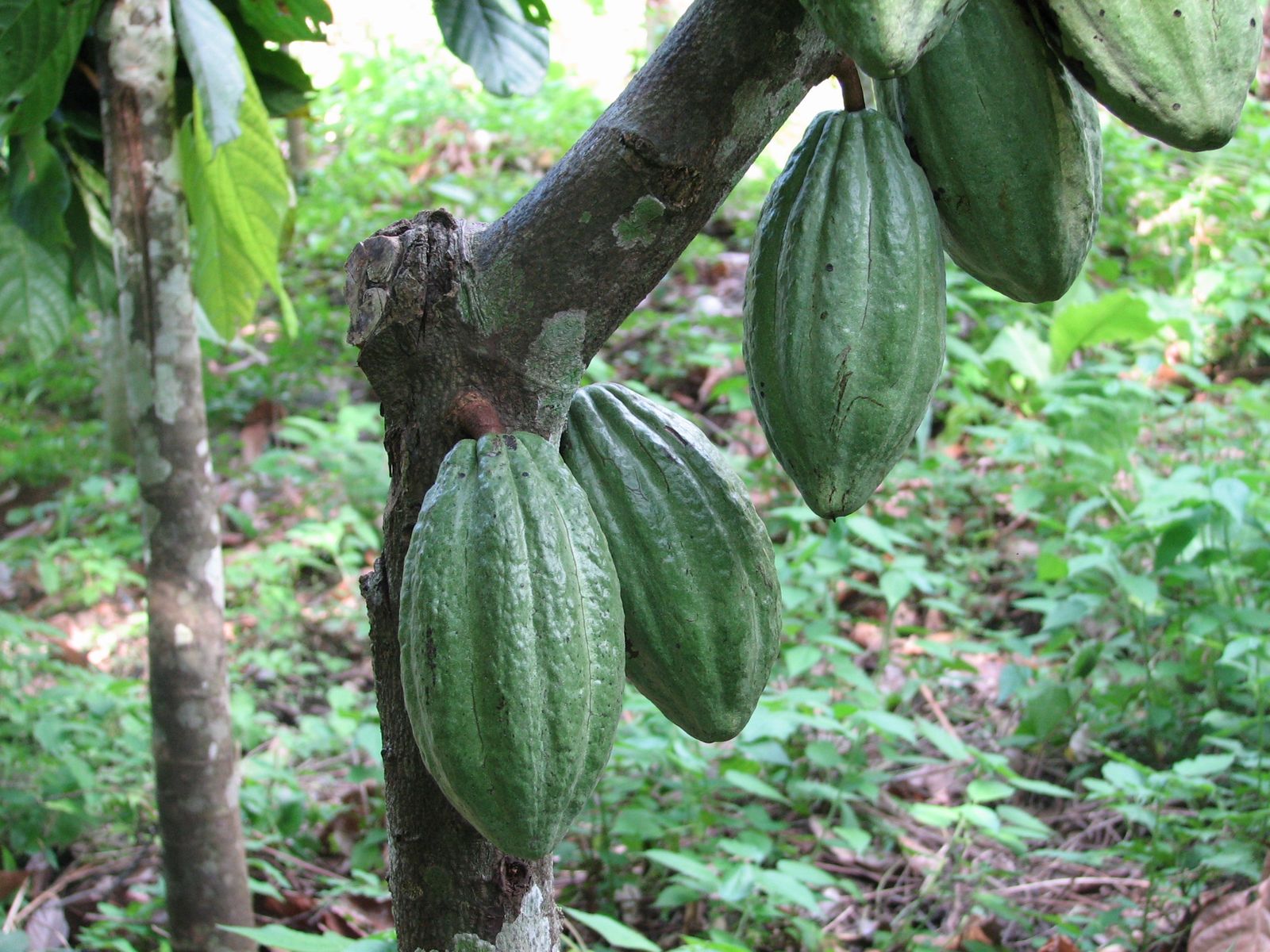
But the headline of the region is chocolate, because this is where it comes from. Cacao was first domesticated and turned into a drink in the Americas thousands of years ago, and the Maya heartland of Belize, Guatemala and southern Mexico remains one of its spiritual homes. A cacao-farm visit is one of the best food experiences in any rainforest: you'll see the pods growing straight out of the trunk, taste the sweet, white, citrusy pulp that surrounds the raw beans — a revelation to most people, who never knew chocolate started as a fruit — and follow the beans through fermenting, drying, roasting and grinding into chocolate, often ending with a cup of the thick, ancient, barely-sweet drink. It's history, agriculture and dessert in one afternoon, and it's widely available across the region.
Southeast Asia's jungle table
The rainforests of Bali, Thailand and Borneo sit within some of the world's great food cultures, so eating here leans on the wider regional cuisine — fragrant curries, grilled fish and meats, rice at every meal, and fiery sambals — rather than a distinct "jungle food," though the tropical fruit is as spectacular as anywhere and the durian is at its infamous best. What the forest adds is the foraged and the local: jungle ferns and wild greens stir-fried as vegetables, river fish, bamboo shoots, and dishes cooked in bamboo tubes over a fire, especially where you're eating with or near Indigenous and rural communities.
Bali repays the curious eater particularly well, with its own ceremonial and everyday dishes and a strong culture of fresh warungs (family eateries), and the interior highlands grow much of the island's produce and coffee. Speaking of which: the cloud forests of the tropics are where the world's coffee grows, so a rainforest trip in a coffee region — from Bali to Colombia to the Central American highlands — often comes with the chance to see, and drink, coffee at the source, the caffeinated cousin of the cacao experience.
The lodge meal-plan reality
Now the honest, practical part, because at most genuine jungle lodges you don't choose your meals — you eat what the lodge serves, when it serves it, with no restaurants or shops for miles. Understanding that upfront prevents a lot of small frustration.
All-inclusive, for a reason
Remote lodges almost always include all meals in the rate, because there's no alternative nearby — this isn't an upsell so much as a necessity, and it's part of why our off-grid lodge guide stresses budgeting by the package rather than the night. Meals are typically served at set times, often buffet-style or a fixed menu, built around the fresh local ingredients above: fish or chicken, rice and beans or cassava, cooked vegetables, and a spread of fruit. Quality ranges widely — some jungle lodges serve genuinely excellent food, others keep it simple and filling — and the setting, eating together at a long table as the forest goes dark, is often as memorable as the dishes.
Dietary needs: tell them in advance, always
This is the single most important practical point in this whole guide. A remote lodge stocks food by boat or rough road, cooks for everyone at once, and cannot improvise a vegan, gluten-free, nut-free or allergy-safe meal on the spot the way a city restaurant can. If you have dietary restrictions or serious allergies, you must communicate them clearly when you book, confirm again before you arrive, and — for severe allergies — understand that a deep-forest kitchen may not be able to fully guarantee against cross-contamination. Vegetarians are usually accommodated easily with notice; vegans, coeliacs and those with serious allergies should have a frank conversation with the lodge before committing. Our guide to booking a jungle stay covers folding this into your pre-arrival questions.
The one non-negotiable rule of eating in the jungle: tell the lodge your dietary needs when you book, not when you arrive. A kitchen supplied by boat can't improvise the way a city restaurant can.
Eating well and staying well
A change of diet and unfamiliar water are among the most common causes of a rough day or two on any tropical trip, so a little sensible caution keeps the food a pleasure rather than a problem. The reliable habits are the well-known ones: drink water you know is safe — bottled, filtered or treated rather than straight from a tap or river — and use it for brushing teeth in areas where the tap water isn't safe; favour food that's been thoroughly cooked and served hot; be a little more cautious with raw foods, salads washed in questionable water, and fruit you haven't peeled yourself; and ease into very unfamiliar or heavily spiced dishes rather than diving in on day one. Established lodges generally maintain good kitchen hygiene, but the diet change alone can unsettle a stomach. Our jungle health guide covers water treatment and the small medical kit — rehydration salts especially — that turns a stomach upset from a trip-ruiner into a footnote.
There's also an ethical dimension to eating in the rainforest worth naming. Some traditional and tourist menus include wild meat — turtle, caiman, monkey, and fish or game under real population pressure — and the responsible, and often legally required, choice is to decline these and eat farmed or sustainable options instead. The forest's food is one of the reasons to keep the forest standing; eating in a way that supports that rather than depletes it is part of the sustainable travel our separate guide lays out. Choosing lodges that source locally and support surrounding communities makes the meal part of the trip's good, not its cost.
Common questions
Will I have to eat strange or extreme foods?
Almost never involuntarily. Everyday rainforest food is fish, chicken, rice, beans, cassava, plantain, vegetables and a wealth of fruit — filling and familiar in shape if not always in name. The genuinely unusual things (tingling jambu, pungent durian, a cup of ancient unsweetened chocolate) are opportunities to try, not obligations. You'll eat adventurously only as much as you choose to.
Can lodges cater to vegetarians, vegans or allergies?
Vegetarians are usually accommodated easily with advance notice. Vegans, coeliacs and people with serious allergies can often be catered to as well, but only if you tell the lodge clearly when booking and confirm before arrival — a remote kitchen supplied by boat can't improvise. For severe allergies, discuss cross-contamination frankly with the lodge, since a small deep-forest kitchen may not be able to fully guarantee against it.
Is the food safe to eat?
At established lodges, generally yes, though a change of diet alone can unsettle a stomach. Reduce the risk with the standard habits: drink only water you know is safe, eat food that's cooked and served hot, be cautious with raw salads and unpeeled fruit, and ease into unfamiliar dishes. Pack oral rehydration salts and basic stomach medication so a minor upset stays minor.
Do I really eat chocolate straight from the tree?
Sort of — you eat the fruit stage of it. A fresh cacao pod is full of beans coated in sweet, white, citrusy pulp, which is delicious and edible raw; the beans themselves become chocolate only after fermenting, drying, roasting and grinding. A cacao-farm visit in Belize, Costa Rica, Ecuador or the wider region lets you taste the pulp and follow the whole process, usually ending with a cup of traditional chocolate.
What should I not eat, for the forest's sake?
Decline wild or "bushmeat" — turtle, caiman, monkey, and fish or game that's under population pressure — even when it's offered as a local delicacy. Eating farmed and sustainable options instead is often the legal choice as well as the ethical one, and it supports keeping the forest and its wildlife intact rather than depleting them.
Where to go from here
Good rainforest food is part of a well-chosen stay, so weigh a lodge's kitchen and sourcing alongside its trails. Our eco-lodge ranking flags places that source locally and support their communities, the off-grid guide sets expectations for meal plans and self-catering, and the health guide keeps the fun from turning into a rough night. Then browse the full destination directory or our lodges to pick the table you'll be sitting at.
- Encyclopædia Britannica — Cassava — the tropical staple root, its processing and the toxicity of unprocessed bitter cassava.
- Encyclopædia Britannica — Cacao — the origin of chocolate in the Americas and the fruit-to-bean process.
- Smithsonian Magazine — A brief history of chocolate — cacao's domestication and ancient use in Mesoamerica.
- CDC Travelers' Health — Food and Water Safety — safe-eating and drinking guidance for tropical travel.
- WWF — Brazil nuts and standing-forest value — how an Amazon food ties economic value to intact forest.
- FAO — tropical staple crops — cassava, plantain and rice as the foundation of tropical diets.
More from the Journal.
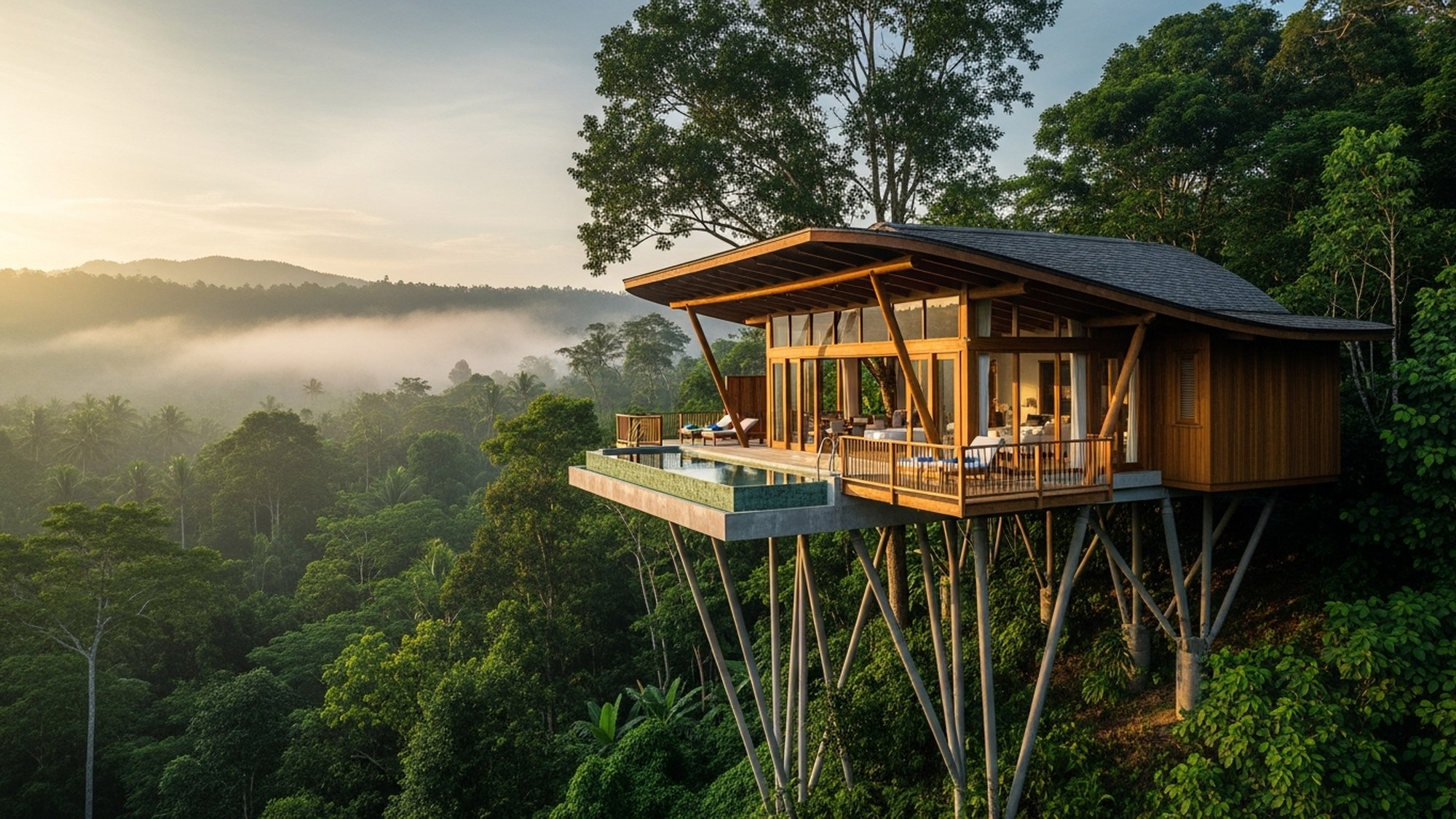
How to Start a Jungle Airbnb
The complete, honest guide to building and running a treehouse, bamboo house or rainforest villa — from choosing a country and the land laws to off-grid systems, budgets, and getting booked.
 Photo: Gregory Heath, CSIRO, CC BY 3.0
Why Jungle Stays Are Booming
The data behind the treehouse boom: four shifts in how the world travels are all converging on the forest — and it looks structural, not a fad.
 Photo: Vyacheslav Argenberg, CC BY 4.0
When to Visit the Jungle: A Season-by-Season Guide
There's no single best time to visit 'the jungle' — because it isn't one place. Here's when to go, region by region, with a month-by-month cheat sheet.
 Photo: Derek Ramsey (Ram-Man), CC BY-SA 4.0
Find your own piece of the canopy.
Treehouses, bamboo houses and rainforest villas across 17 destinations — found, vetted and written up honestly.
Browse all destinations