The Best Rainforest Stays for Birdwatching
The rainforest holds more bird species than any other habitat on Earth, and the difference between a good birding trip and a transcendent one is almost always the base you choose. The right lodge doesn't just put you near the birds — it puts you inside the action: a canopy tower that lifts you level with the toucans at dawn, a clay lick where hundreds of parrots gather in a single roaring hour, a veranda where a resplendent quetzal turns up before your coffee is cold. These are the jungle stays built by and for birders, each one checked against its own reserve, its species record and a source we trust. Not the flashiest villas — the ones where the birding is genuinely world-class.
How we picked these
Bird species counts are the obvious yardstick, and we've used them, but a big number on its own doesn't make a stay worth booking — plenty of vast reserves are miserable to actually watch birds in. So we weighed three things together. First, the birding infrastructure that turns a rich forest into a visible one: a canopy tower or walkway to reach the species that never come down, a clay lick or fruit feeders to concentrate them, hides and trails maintained for watching. Second, the quality of the guiding, because in dense forest a great guide is the difference between hearing a hundred species and seeing them. And third, the setting and the list — a location in a genuinely bird-rich region, with a documented species record we could verify.
The result leans toward dedicated lodges rather than whole-home rentals, for the same reason our eco-lodge ranking does: the towers, feeders, resident guides and protected reserves that make world-class birding possible exist at the scale of a lodge, not a rented house. If your interest is the birds themselves rather than where to sleep, our guide to toucans and tropical birds is the field companion to this one. Here, we're ranking the beds.
What makes a lodge great for birding
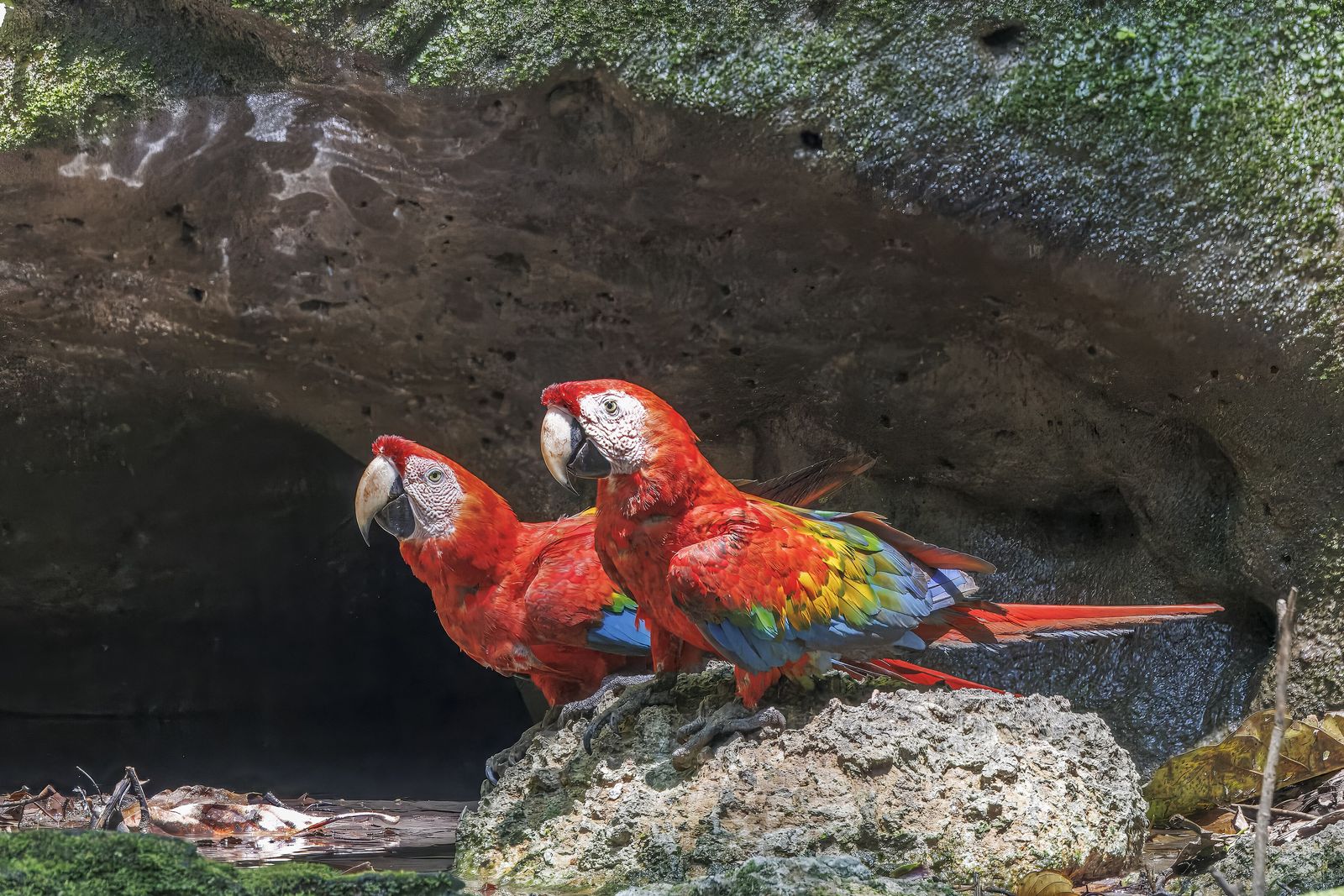
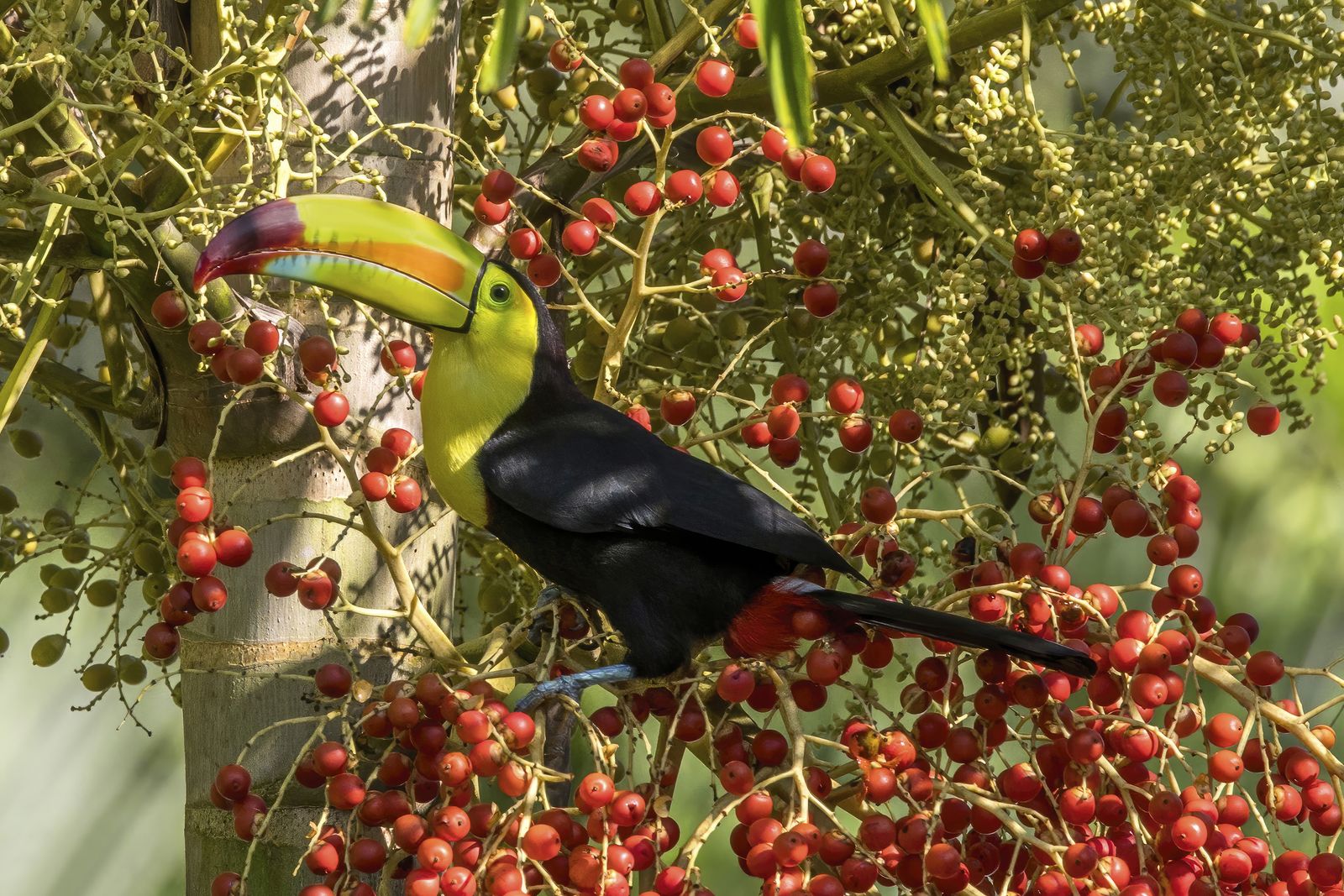
Three features recur on every stay that made this list. A canopy tower or walkway is the biggest single upgrade a lodge can offer, because a large share of rainforest birds — many tanagers, cotingas, raptors and the canopy flocks — spend their lives in the treetops and are simply invisible from the forest floor. Getting up to their level at dawn, when activity peaks, transforms the day list. A clay lick (a collpa, in the Amazon) is the other showstopper: mineral-rich riverbank clay that parrots and macaws gather at in noisy, colourful numbers, giving you dozens of birds in one frame instead of one bird glimpsed through leaves. And feeders — for hummingbirds, or fruit for tanagers and toucans — bring the birds to a fixed spot at a fixed time, which is a gift for watching and photography alike.
Underneath all of it sits the guiding. The best birding lodges employ resident guides who know every call in the forest and can conjure a shy antpitta or a roosting owl from what sounds, to you, like undifferentiated green. It's the least visible feature on a booking page and the one that matters most, which is why the picks below are all places with a real guiding culture rather than just a good address.
Ecuador: the Amazon and the Chocó
Few countries pack as much birdlife into as little travel as Ecuador, where you can move from Amazon lowlands to Andean cloud forest to the Chocó in a single trip, each with its own set of hundreds of species.
Sacha Lodge sits on a large private reserve in the Ecuadorian Amazon, reached by a canoe trip off the Napo River, and its headline feature is one of the best pieces of birding infrastructure anywhere: a canopy walkway roughly 275 metres long, strung between towers about 36 metres up, that puts you eye-to-eye with the treetop birds at dawn. The lodge reports a reserve bird list well over 500 species, and a separate riverside tower and a parrot clay lick nearby round out the options. The all-inclusive stay covers guided excursions, meals and transfers, so once you're there the days are handed to you. Verdict: the single best-equipped Amazon lodge for a serious birder, and the canopy walkway alone justifies the trip.
Owned and run by the Kichwa Añangu community inside Yasuní — one of the most biodiverse places on the planet — Napo Wildlife Center pairs a genuinely world-class bird list with the fact that your money stays with the people whose forest it is. The draw here is the parrot clay licks, where hundreds of parrots and parakeets gather, plus a canopy tower and lake-and-creek paddling that reaches species the trails miss. Like Sacha, it's an all-inclusive lodge reached by motor canoe and paddle from Coca. Verdict: the birding is elite and the ownership model is the most admirable on this list — an easy one to feel good about booking.
Mashpi is the design-forward option, a glass-walled lodge set in its own reserve in the Chocó — a wet, endemic-rich cloud forest that's a different birding world from the Amazon, heavy on tanagers, hummingbirds and range-restricted specialities. Beyond the excellent guiding, it offers unusual ways to bird the canopy, including an aerial gondola and a "sky bike" strung across a gorge. It's a polished, higher-end property closer to Quito than the Amazon lodges, which makes it an easy, comfortable Chocó add-on. Verdict: the most comfortable base for the Chocó's endemics, with canopy access you won't find elsewhere. See our Ecuador guide for stitching the regions together.
Costa Rica: cloud forest and foothills
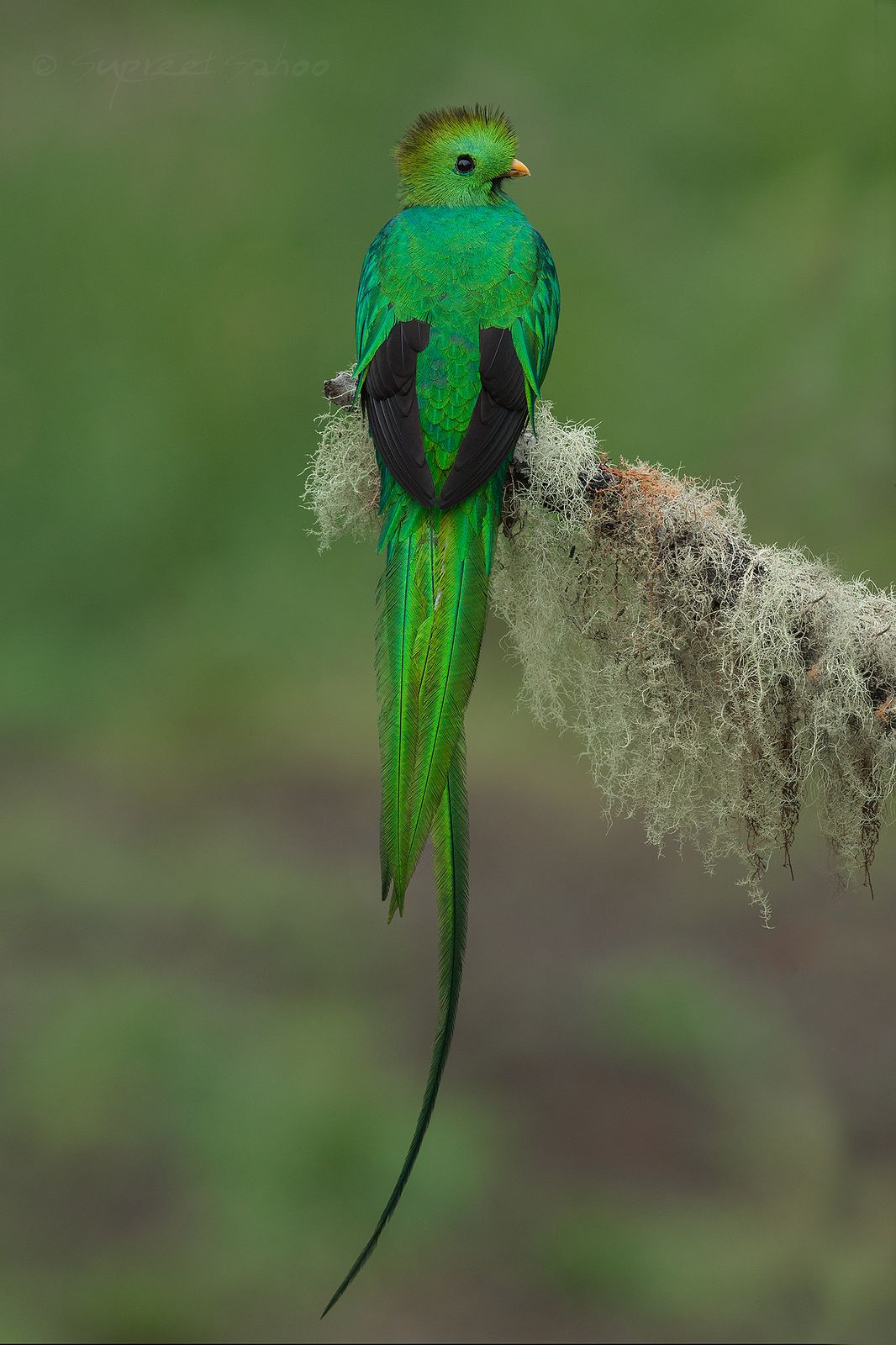
Costa Rica is the world's most accessible tropical-birding destination, with excellent lodges, expert guides and a famous headline bird — the resplendent quetzal — all within a compact, easy-to-travel country.
Rancho Naturalista is a birder's birder's lodge — a modest, welcoming property in the Caribbean foothills whose reputation rests entirely on its birds. Hundreds of species have been recorded on the grounds, the hummingbird feeders and a famous forest bathing-pool where hummingbirds come to bathe are legendary among photographers, and the resident guides are among the best in the country. It's unpretentious and focused: people come here to bird, full stop. Verdict: if the birds themselves are the whole point of the trip, this is the most concentrated birding experience in Costa Rica.
The cloud forests around Monteverde are the classic place to see a resplendent quetzal, along with a long list of cloud-forest specialities, hummingbirds at every feeder and the emblematic three-wattled bellbird. A cluster of well-run lodges sits at the reserve's edge, from the long-established Monteverde Lodge to smaller family-run places, all within reach of the reserve trails and the region's celebrated guides. Verdict: the quetzal-and-cloud-forest classic, and the easiest world-class birding to slot into a wider Costa Rica trip.
The number on the species list gets you interested. The canopy tower, the clay lick and the guide who knows every call are what actually get those birds in front of your eyes.
Panama: a tower in the forest
Panama punches far above its size for birding, and one property has become a genuine icon of the pursuit.
The Canopy Tower is one of the most famous birding lodges in the world, and its origin story is half the charm: it's a former United States radar tower on Semaphore Hill in Soberanía National Park, converted into a lodge whose rooftop deck sits at canopy height with a 360-degree view over the forest. You bird from the building itself — the top of the tower is a dawn observation deck level with the treetops — as well as along the legendary nearby Pipeline Road. It's an easy drive from Panama City, which makes elite lowland birding remarkably accessible. Its sister property, the Canopy Lodge in the cooler highlands of El Valle, extends the list to a whole different set of species. Verdict: a bucket-list birding stay where the lodge is the hide, and about as painless as world-class rainforest birding gets. More in our Panama guide.
Peru and Brazil: clay licks and mega-lists
For the two great Amazonian spectacles — the macaw clay licks and the sheer scale of the species lists — Peru and Brazil are the heartland.
The Tambopata region of the Peruvian Amazon is macaw country, home to some of the largest known clay licks, where scarlet, red-and-green and blue-and-yellow macaws gather in a daily riot of colour and noise best watched from a lodge's canopy tower at first light. Refugio Amazonas, run by Rainforest Expeditions, is the accessible, family-friendly base for it, with deeper lodges reaching the biggest licks. It's sold as an all-inclusive package with transfers, meals and guided outings from Puerto Maldonado. Verdict: the place to witness the clay-lick spectacle, the single most photogenic event in Neotropical birding.
Cristalino Lodge, set in a large private reserve (an RPPN) in the southern Brazilian Amazon, is one of the great birding lodges of the continent: somewhere around 600 species have been recorded on and around the reserve, close to a third of all the birds in Brazil, and two canopy towers put you above the forest for the treetop specialities. A share of every rate funds the associated conservation foundation. Verdict: for a birder chasing a big, serious Amazon list with real conservation behind it, this is the standout — as much a highlight of our eco-lodge ranking as this one.
When to go, and what to bring
Birding is good year-round in the tropics, but a few patterns are worth planning around. The drier months generally make forest access and trails easier and can concentrate activity, and they're the standard high season for most of these lodges; our rainy versus dry season guide and the month-by-month planner will pin down the best window for a specific destination. Two timing notes matter especially for birders: the quetzal is easiest to see in the Costa Rican and Panamanian highlands during its breeding season in the early part of the year, when the birds are displaying and calling; and the Amazon clay licks are most active in the drier months, though they run to their own local rhythms your lodge can advise on.
As for gear, the birding essentials are simple and mostly the same everywhere: good binoculars you're comfortable using, a field guide or bird app for the region, muted clothing, and patience for the pre-dawn starts when the forest is most alive. A camera with real reach is a bonus rather than a necessity — the feeders and towers on this list are built to bring birds close. Our guide to photographing the jungle covers the light and long-lens side, and our jungle packing list handles the rest, from footwear to rain protection for your optics.
Common questions
Which single lodge is best for a serious birder?
It depends on the region you want, but for the Amazon, Sacha Lodge in Ecuador and Cristalino Lodge in Brazil are the standouts — Sacha for its canopy walkway, Cristalino for its roughly 600-species list and conservation reserve. For cloud-forest birding, Panama's Canopy Tower and the Monteverde lodges in Costa Rica are the classics. All combine a rich setting with the infrastructure and guiding that actually get the birds in front of you.
What is a clay lick, and why do birders travel for it?
A clay lick, or collpa, is an exposed bank of mineral-rich clay that parrots and macaws visit — often in flocks of dozens to hundreds — to eat the clay, which is thought to help neutralise toxins in their diet and supply minerals. For a birder it concentrates many large, brilliantly coloured birds into one place at a predictable time, making it one of the great spectacles in birding. The biggest known licks are in the Peruvian Amazon around Tambopata.
Do I need a canopy tower, or can I bird from the ground?
You can bird richly from the ground, but a canopy tower or walkway dramatically expands what you'll see, because a large share of rainforest birds live in the treetops and rarely descend. Many of the tanagers, cotingas, raptors and mixed canopy flocks that make a big day list are only reachable from height, which is why every top lodge on this list has a tower, walkway or rooftop deck.
Are these lodges suitable for beginners, or only expert birders?
They suit both. The infrastructure — feeders, towers, clay licks — and the expert resident guides make these lodges excellent places to start, because the birds are brought close and identified for you. A beginner will see and learn more here in a few days than in months of solo effort, and the same guides keep serious listers happy. You don't need to arrive an expert.
How many days should a birding trip be?
For a single lodge, three to four nights lets the birds and the daily rhythm come to you rather than rushing a headline list. Many birders combine two or three lodges across different habitats — an Amazon lodge, a cloud-forest lodge, a foothill lodge — into a longer trip, which is where the biggest species totals come from. See our guide to how many days to spend in the jungle for building the itinerary.
Where to go from here
Pick the region first — Amazon clay licks, cloud-forest quetzals, or the Chocó's endemics — and the lodge follows from it. Our field guide to toucans and tropical birds covers what you'll actually be looking at, canopy walkways and sky bridges explains the infrastructure that makes these lists possible, and the full destination directory or our eco-lodge collection is the place to choose your base and start planning.
- Sacha Lodge, official site — canopy walkway dimensions, reserve bird list and Amazon location.
- Napo Wildlife Center, official site — Añangu community ownership, Yasuní location and parrot clay licks.
- Mashpi Lodge, official site — Chocó cloud-forest reserve, biodiversity and canopy-access options.
- Rancho Naturalista, official site — property bird list, hummingbird feeders and the bathing pool.
- Canopy Tower (Canopy Family), official site — the former radar-tower history, Soberanía location and rooftop canopy deck.
- Rainforest Expeditions — Refugio Amazonas & Tambopata clay licks — macaw clay-lick access and canopy tower.
- Cristalino Lodge, official site — ~600-species reserve list and canopy towers in the southern Amazon.
More from the Journal.
 Photo: Vyacheslav Argenberg, CC BY 4.0
The Best Jungle Airbnbs in the World
Our honest, unpaid ranking of the jungle stays that changed what a night in the forest can be — from Bali's bamboo masterpieces to the floating bungalows of Thailand.
 Photo: AlaskaDave, CC BY-SA 3.0
The Best Jungle Airbnbs in the USA
Real rainforest, no passport required — the best treehouses and bamboo houses across Hawai‘i, Puerto Rico and Florida.
 Photo: Bernard DUPONT from FRANCE, CC BY-SA 2.0
The Best Treehouse Airbnbs in the World
Our honest ranking of the treehouses worth crossing an ocean for — from canopy platforms in the Amazon to stilted glass boxes above the rainforest floor.
 Photo: Derek Ramsey (Ram-Man), CC BY-SA 4.0
Find your own piece of the canopy.
Treehouses, bamboo houses and rainforest villas across 17 destinations — found, vetted and written up honestly.
Browse all destinations