How Many Days to Spend in the Jungle
It's the question that quietly decides whether a jungle trip is wonderful or frustrating, and most people get it wrong in the same direction: they don't allow enough days. The rainforest punishes a rushed schedule more than almost any other destination, because getting there eats time, the wildlife runs on its own clock, and a single wet morning can erase a third of a short stay. But it also doesn't reward open-ended sprawl — there's a sweet spot. This guide lays out the honest arithmetic: the travel-time tax nobody warns you about, the two-night mistake first-timers keep making, and how many days you actually need, region by region, to come home glad you went.
The travel-time tax
The first thing to understand is that a night at a jungle lodge is not the same as a night at a city hotel, because getting to and from it can consume the better part of a day at each end. A typical remote-lodge arrival looks like this: a flight to a gateway city, then a transfer to a smaller airstrip or a road head, then a boat ride — sometimes minutes, sometimes hours — up a river to the lodge. That's a travel day, not an experience day. And you pay it again on the way out, often having to leave early to make onward connections. Our guide to getting to remote jungle stays maps these journeys in detail; the point for planning is that they're real, and they come out of your trip.
This is why the number that matters is not "nights at the lodge" but "full days actually in the forest," and the two can differ sharply. A three-night lodge stay frequently yields only one and a half to two genuinely full days on the ground, because the arrival afternoon and the departure morning are swallowed by transfers. Booking with this in mind — counting the travel tax honestly rather than being surprised by it — is the single biggest correction most people need to make. The remoter and wilder the lodge, the higher the tax, which is a trade-off worth making consciously: deeper forest, but more days spent reaching it.
The two-night mistake
The most common planning error is the two-night jungle stay, and it's worth understanding exactly why it disappoints so reliably. Two nights means one full day. One full day means no margin for anything — and the rainforest is a place that demands margin.
Consider what one day has to absorb. You arrive tired, often hot and travel-frayed, needing time simply to adjust to the humidity and the pace. The wildlife you came for doesn't perform on command: good sightings come from multiple outings at dawn and dusk across several days, not one lucky walk, because animals move, weather shifts, and any single excursion might come up quiet. And the weather itself is the wildcard — this is the rainforest, and a heavy, rained-out morning is not a rare misfortune but a normal event, one that can wipe out half of a one-day stay with nothing held in reserve. Two nights gives you no second chance at anything: not the wildlife, not the weather, not even a proper night's sleep before it's time to leave. People who do it often come away thinking the jungle "wasn't that special," when what actually happened is they never gave it the time to be.
The floor: three nights, ideally four
For a genuine jungle lodge, three nights is the sensible floor and four is better. Here's the reasoning. Three nights gives you two full days on the ground after the travel tax — enough for four or so excursions (two dawns, two afternoons or nights), which is the minimum for the wildlife odds to work in your favour and for one washed-out session not to sink the whole trip. It lets you settle into the daily rhythm most lodges run — an early start while it's cool and the animals are active, the hot midday hours back at the lodge, an afternoon or night outing — rather than always feeling like you just arrived. Four nights adds a crucial third full day, which is often when the best sightings come, once you've learned the place and the guides have read what you're hoping for.
Below three nights, the travel tax and the weather risk simply take too big a bite. Above four or five nights at a single lodge, most travelers (though not dedicated wildlife-watchers) start to feel they've seen the property's range, and are better served moving to a different ecosystem than staying put. So the reliable default for one rainforest base is three or four nights — and if you're tempted to trim it to two to save a day or some money, our honest advice is to trim something else instead. The cost side of that trade-off is laid out in how much a jungle trip costs.
Count full days in the forest, not nights at the lodge. A three-night stay is really two days on the ground — which is why two nights, meaning one, so reliably disappoints.
What makes you need more days
The three-to-four-night floor is for a single, reasonably accessible rainforest base with general nature interest. Several things push the right number higher.
A specific wildlife goal
If you're going for a particular animal, add days — sometimes a lot of them. Reliable jaguar watching in the Pantanal is built on three to four days of boat outings, not one; serious birding lists come from more mornings, not fewer; and any single hard-to-see species is a numbers game that more outings improve. Our guides to where to see jaguars and the best stays for birdwatching spell out the day counts those specific goals demand.
Real remoteness
The deeper and wilder the lodge, the more the travel tax argues for staying longer once you've paid it — it makes little sense to spend two days reaching a place only to turn around after one. The remotest Amazon lodges reward four, five or more nights precisely because getting there and back is such an investment.
Multiple ecosystems
Many great rainforest trips aren't one base but two or three — lowland Amazon plus cloud forest, or jungle plus coast — each needing its own three-to-four-night block plus the transfer between them. That's how a rainforest trip grows naturally into ten days or two weeks, and it's usually a better use of a longer trip than a week at a single lodge.
Weather insurance and simple rest
In the wetter seasons especially, an extra night is cheap insurance against a washed-out day. And there's a case for slack simply to enjoy the place at the forest's own unhurried pace, rather than treating every hour as an excursion to be maximised — the hammock on the deck is part of the experience, not a waste of it.
Sample itineraries by region
Costa Rica: the flexible two weeks
Costa Rica is the most forgiving on time, because it's compact, well-roaded and packed with different ecosystems close together. A classic first trip runs ten days to two weeks and stacks three or four nights in a rainforest area (the Osa, Tortuguero, or the Sarapiquí lowlands), three in cloud forest (Monteverde), and a few on the coast, with short drives or hops between. You can have a rich jungle experience here without a single long boat transfer, which is exactly why it's the standard starting point.
The Amazon: three to five nights at the lodge
For the Amazon in Peru, Ecuador or Brazil, plan three to five nights at the lodge itself, plus a travel day at each end through the gateway city (Puerto Maldonado, Coca, Manaus or Iquitos) — so a genuine Amazon leg is rarely less than five days door to door, and often a week. Deeper lodges justify the higher end; a first Amazon trip is well served by four nights. This slots neatly onto a wider South America trip, and pairs naturally with the Andes or a city on either side.
Bali and Southeast Asia: jungle as one chapter
In Bali, the jungle interior around Ubud and the north is usually one chapter of a longer island trip — three or four nights in the forested interior within a ten-day-plus stay that also takes in the coast and the culture. The transfers are short, so the travel tax is low, and the jungle blends easily with everything else the island offers.
Borneo: wildlife wants a week
A Borneo wildlife trip — orangutans on the Kinabatangan, the primary forest of Danum Valley — really wants a week or more of rainforest to do properly, often as two lodges in different reserves, each three to four nights, because the wildlife and the remoteness both argue for time. It's one of the trips where skimping on days most clearly costs you the animals you came for.
The one-week and two-week frameworks
Two simple frameworks cover most trips. With about a week, focus on one region and one or two bases: a four-night Amazon lodge with travel days on either side essentially fills a week on its own, or you could pair two shorter rainforest stays in one country. Don't try to add a second far-flung ecosystem to a single week — the transfers will eat the time you're trying to save. With about two weeks, you can comfortably combine two or three bases: the Costa Rica jungle-cloud forest-coast circuit, or an Amazon lodge plus a cloud-forest lodge plus a city, or a Borneo trip across two reserves with room to spare. Two weeks is where a rainforest trip stops feeling like a dash and starts feeling like a proper journey.
Whichever framework, build the schedule around full days in the forest and a buffer for weather and travel, then check your dates against the season — the rainy versus dry season guide and the month-by-month planner will tell you how much weather insurance a given month needs. A trip that looks generous on paper can still feel rushed if half of it is transfers and the other half is rained out with no slack; the fix is always the same, which is a night or two more than feels strictly necessary.
When fewer days is the right call
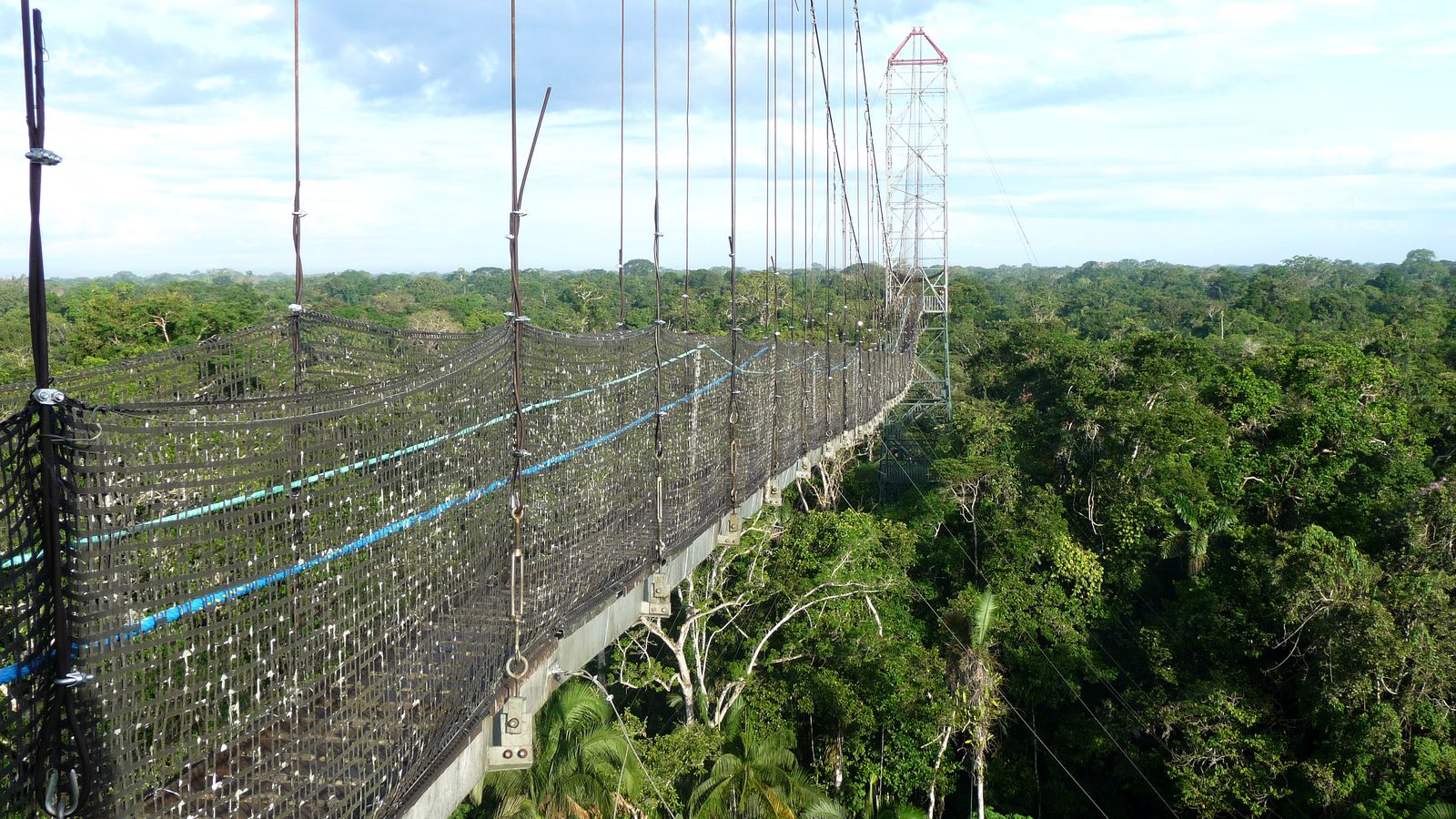
All of the above assumes a genuine, remote-ish jungle lodge. Some rainforest experiences honestly work in less time, and it's worth naming them so you don't over-plan. Accessible, road-connected destinations — much of Costa Rica, Hawai'i, Puerto Rico's El Yunque — let you experience real rainforest on day trips from a comfortable base without the travel tax, so a shorter jungle component can still be rewarding. A jungle day trip or overnight tacked onto a beach holiday is a legitimate way to sample the forest, as long as you hold it as a taste rather than expecting the full immersion a multi-night lodge stay gives. And if your interest is genuinely light — a canopy walk, a wildlife garden, a single guided hike — a full lodge stay may be more than you need, and a day from town will do.
The rule of thumb underneath all of it: match the days to the depth of the experience you want. A taste of the rainforest can be a day; a real jungle-lodge immersion needs three or four nights at minimum; a wildlife mission or a multi-ecosystem journey wants a week or two. The mistake is only ever confusing one of these for another — booking a two-night deep-lodge stay expecting immersion, or a two-week expedition when a long weekend would have scratched the itch. Decide honestly which trip you're taking, and the number of days follows.
Common questions
What's the minimum worthwhile jungle-lodge stay?
Three nights, which after the arrival and departure travel gives you two genuinely full days on the ground — enough for several excursions and some margin for a rained-out session. Four nights is better still, adding a third full day that's often when the best wildlife comes. Two nights, meaning a single full day, reliably disappoints, because it leaves no room for weather or for the wildlife's own timing.
Why is two nights not enough?
Because two nights is one full day, and the rainforest needs margin. You arrive travel-tired and need to acclimate; good wildlife sightings come from multiple outings across several days, not one; and a rained-out morning — a normal event, not bad luck — can erase half of a one-day stay with nothing in reserve. One day gives you no second chance at anything.
How many total days should I budget for an Amazon trip?
Rarely fewer than five door to door: three to five nights at the lodge, plus a travel day at each end through the gateway city. A first Amazon trip is well served by four nights at the lodge, making roughly a six-day leg once transfers are counted. Deeper, remoter lodges justify staying longer, since reaching them is such an investment of time.
Can I see the jungle in a day trip?
You can sample it, especially in accessible, road-connected areas like much of Costa Rica, Hawai'i or Puerto Rico, where a guided day trip or canopy tram from a comfortable base shows you real rainforest without the travel tax. Just hold it as a taste rather than the full immersion — the deep quiet, the dawn and night wildlife, the rhythm of lodge life — that only a multi-night stay in the forest gives.
Is it better to stay longer at one lodge or move between several?
For general interest, three or four nights at one good base is ideal; beyond that, most travelers see more by moving to a different ecosystem than by staying put. Dedicated wildlife-watchers and the remotest lodges are the exceptions that reward longer single stays. On a two-week trip, two or three bases of three to four nights each usually beats a week in one place.
Where to go from here
Once you've settled on a length, the season and the logistics are the next decisions: check your dates against the rainy versus dry season guide and the month-by-month planner, budget the transfers with getting to remote jungle stays, and price it with how much a jungle trip costs. Then choose the base itself from the full destination directory or our eco-lodge collection, and give it a night more than feels strictly necessary — it's the cheapest insurance in travel.
- Rainforest Expeditions — Tambopata lodge itineraries — typical Amazon package lengths and the boat-transfer structure through Puerto Maldonado.
- Sacha Lodge, official site — standard three-to-four-night Ecuadorian Amazon programmes and access via Coca.
- SINAC — Costa Rica National System of Conservation Areas — the country's parks and reserves, and their proximity to one another.
- Sabah Tourism — Kinabatangan River — Borneo wildlife-lodge access and typical multi-night stays.
- CDC Travelers' Health — acclimatisation and health considerations that argue for pacing a tropical trip.
More from the Journal.
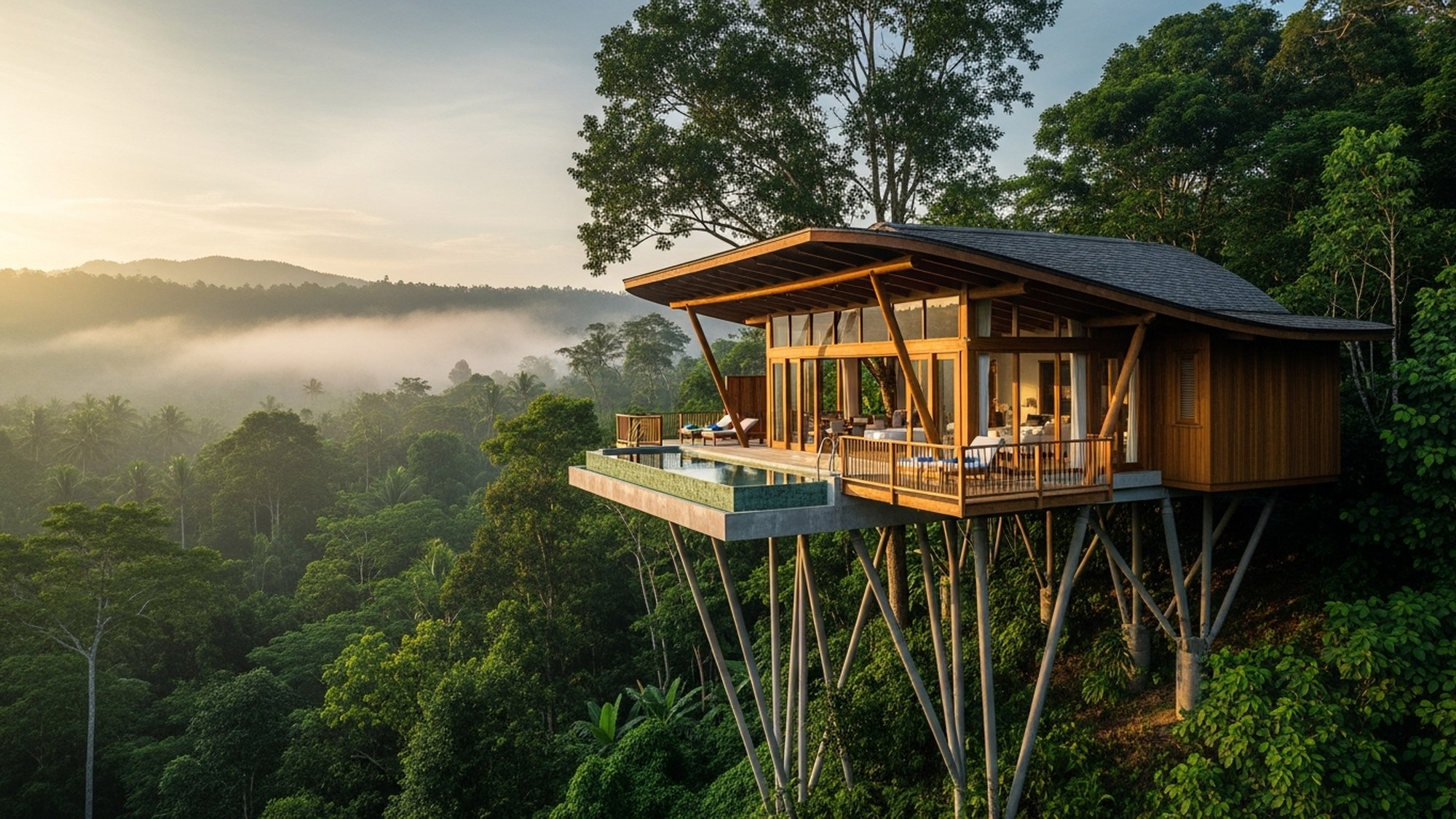
How to Start a Jungle Airbnb
The complete, honest guide to building and running a treehouse, bamboo house or rainforest villa — from choosing a country and the land laws to off-grid systems, budgets, and getting booked.
 Photo: Gregory Heath, CSIRO, CC BY 3.0
Why Jungle Stays Are Booming
The data behind the treehouse boom: four shifts in how the world travels are all converging on the forest — and it looks structural, not a fad.
 Photo: Vyacheslav Argenberg, CC BY 4.0
When to Visit the Jungle: A Season-by-Season Guide
There's no single best time to visit 'the jungle' — because it isn't one place. Here's when to go, region by region, with a month-by-month cheat sheet.
 Photo: Derek Ramsey (Ram-Man), CC BY-SA 4.0
Find your own piece of the canopy.
Treehouses, bamboo houses and rainforest villas across 17 destinations — found, vetted and written up honestly.
Browse all destinations