Where to See Jaguars in the Wild
Most people who go to the rainforest hoping to see a jaguar never do, and then tell themselves that was always the deal — the ghost of the forest, seen by no one, gone before you turn your head. That reputation is mostly earned. But it is not the whole truth, because there is now one place on Earth where seeing a wild jaguar is not luck but a reasonable expectation, and a handful of others where the odds, while long, are real. This is an honest guide to where the Americas' great cat is actually findable, why those places work when the rest of its range doesn't, and how to give yourself the best possible chance without lying to yourself about the rest.
The animal you're looking for
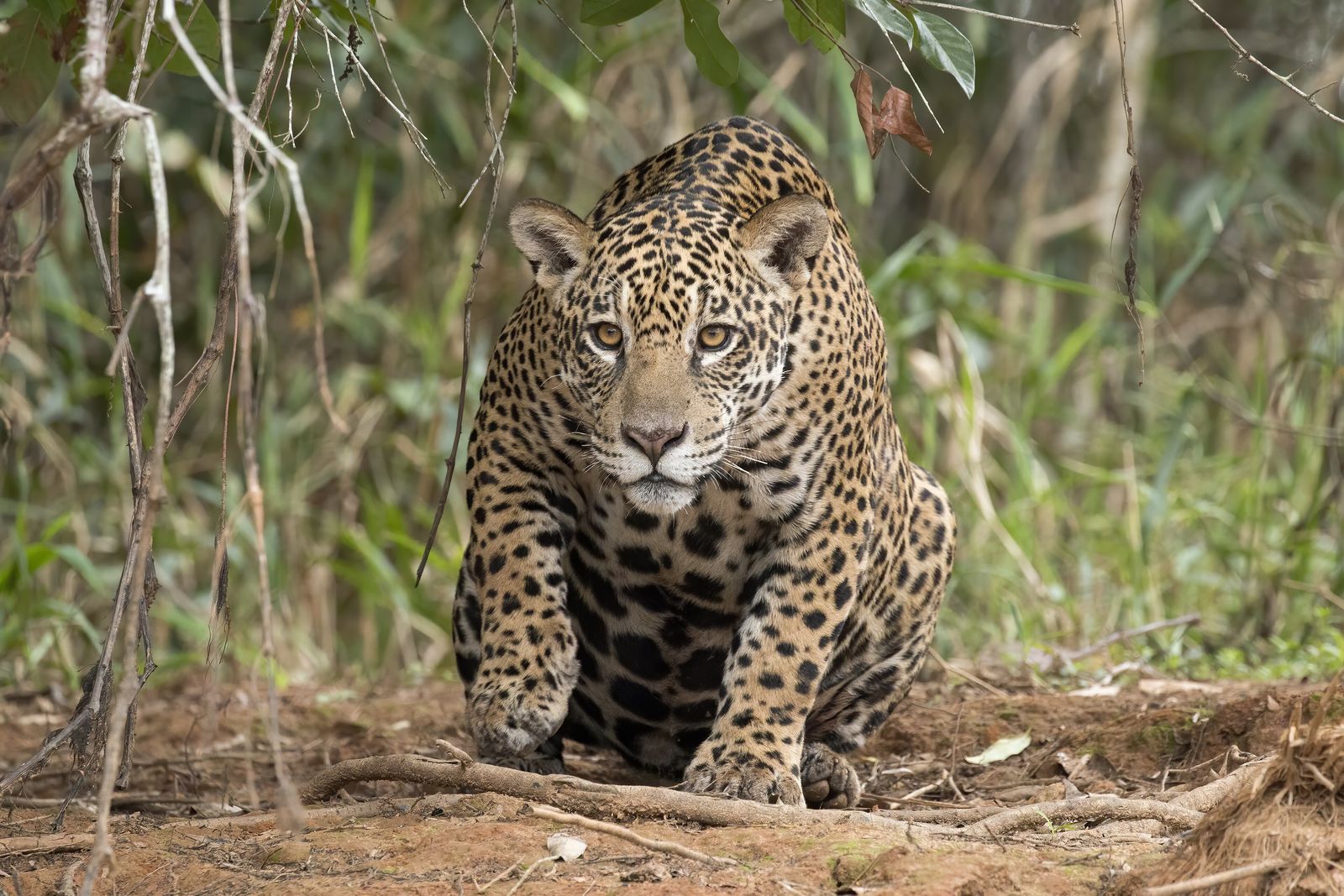
The jaguar, Panthera onca, is the largest cat in the Americas and the third-largest in the world, behind only the tiger and the lion. It is built differently from the leopard it's often confused with: shorter-limbed, heavier through the chest and skull, with a bite widely described as the most powerful of any big cat relative to its size — strong enough to punch through turtle shells and, unusually among cats, to kill prey by piercing the skull rather than the throat. The rosettes on its coat carry small spots inside them, which is the quickest way to tell a jaguar from a leopard in a photograph. The famous "black panther" is not a separate animal at all but a melanistic jaguar (or leopard), its rosettes still faintly visible in the right light.
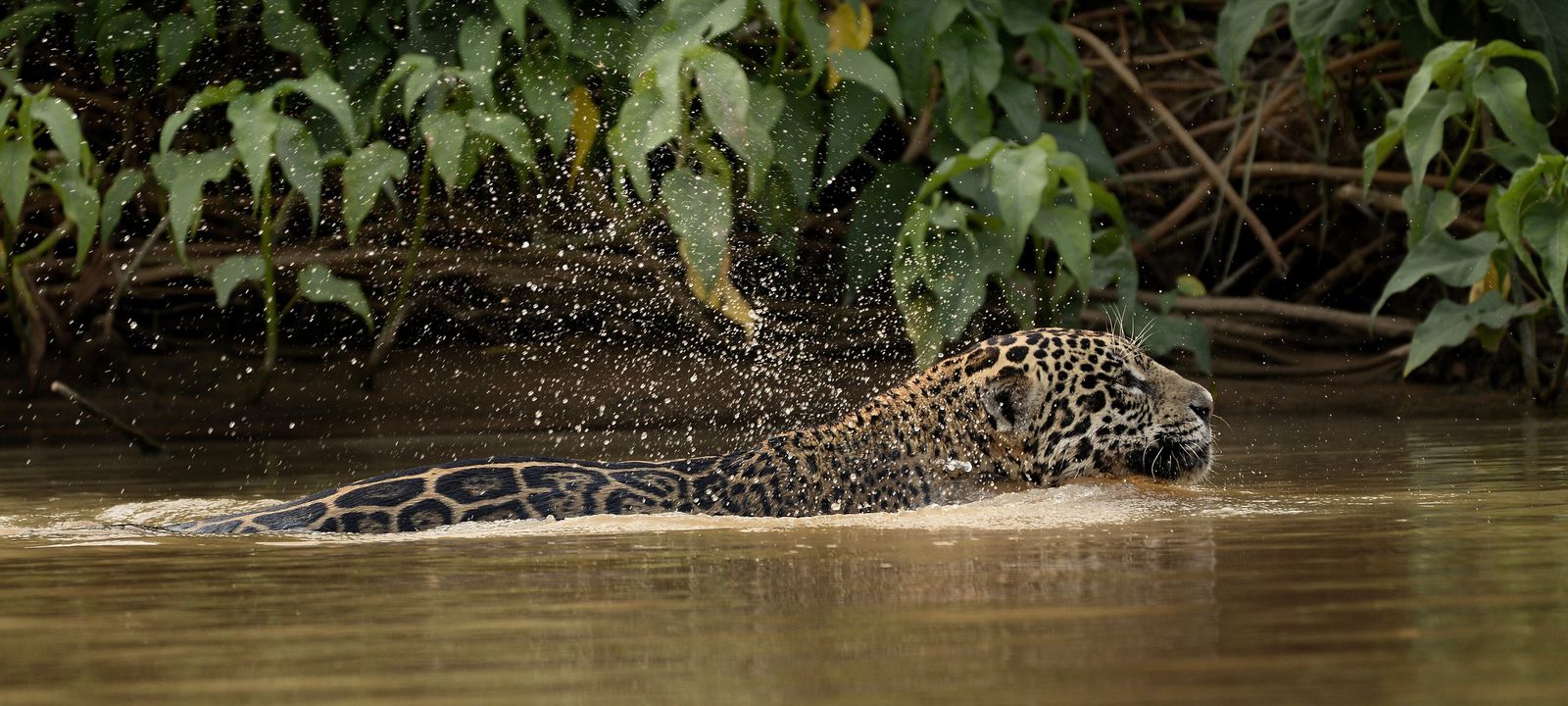
It is also, crucially for anyone hoping to see one, a solitary, largely crepuscular and nocturnal hunter that swims well and holds a large territory. Those habits — active at the edges of the day, comfortable in and around water, spread thin across huge areas — are exactly why the animal is so hard to see across most of its range, and exactly why the few places it is reliably seen share a specific set of conditions. The IUCN lists the jaguar as Near Threatened, its historic range roughly halved by deforestation, ranching and hunting, which makes the places where it still thrives both rarer and more worth protecting than they were a generation ago. If your interest is the wider cast of animals you'll actually encounter on a trip, our guide to the wildlife you're likely to see in the jungle is the realistic companion to this one; this piece is about the hardest, most coveted sighting of them all.
The one place it's nearly guaranteed: the Pantanal
If seeing a wild jaguar is the actual goal of your trip — not a hoped-for bonus, but the reason you're going — there is one honest answer, and it is not the Amazon. It's the Pantanal, the vast seasonal wetland that spreads across west-central Brazil and into Bolivia and Paraguay, and specifically its northern reaches around Porto Jofre and the Meeting of Waters State Park, at the end of the dirt Transpantaneira road in Mato Grosso.
Here, in the dry season, jaguar watching has become something close to a sure thing. Boats work the rivers where the cats come to the banks to drink, hunt caiman and cool off, and multi-day trips out of Porto Jofre report sighting success rates that no rainforest destination can approach — a good operator over several days on the water will find jaguars for you again and again, often hunting, swimming or lounging in full view on an exposed bank. It is the single reason the northern Pantanal has quietly become one of the world's great wildlife-watching destinations, mentioned in the same breath as the Serengeti or the Galápagos for the reliability of its headline animal.
You don't stay in deep rainforest to do this. You base yourself at a lodge, a pousada or a river-based boat hotel along the Transpantaneira or at Porto Jofre itself, and you go out by small boat morning and afternoon with a guide who knows the resident cats — many of which are individually recognized and even named by the researchers and guides who track them. The Pantanal is not part of our directory's core rainforest destinations, but it belongs at the very top of any honest list of where to see a jaguar, and no guide worth trusting would bury it lower.
Why the Pantanal works and the rainforest doesn't
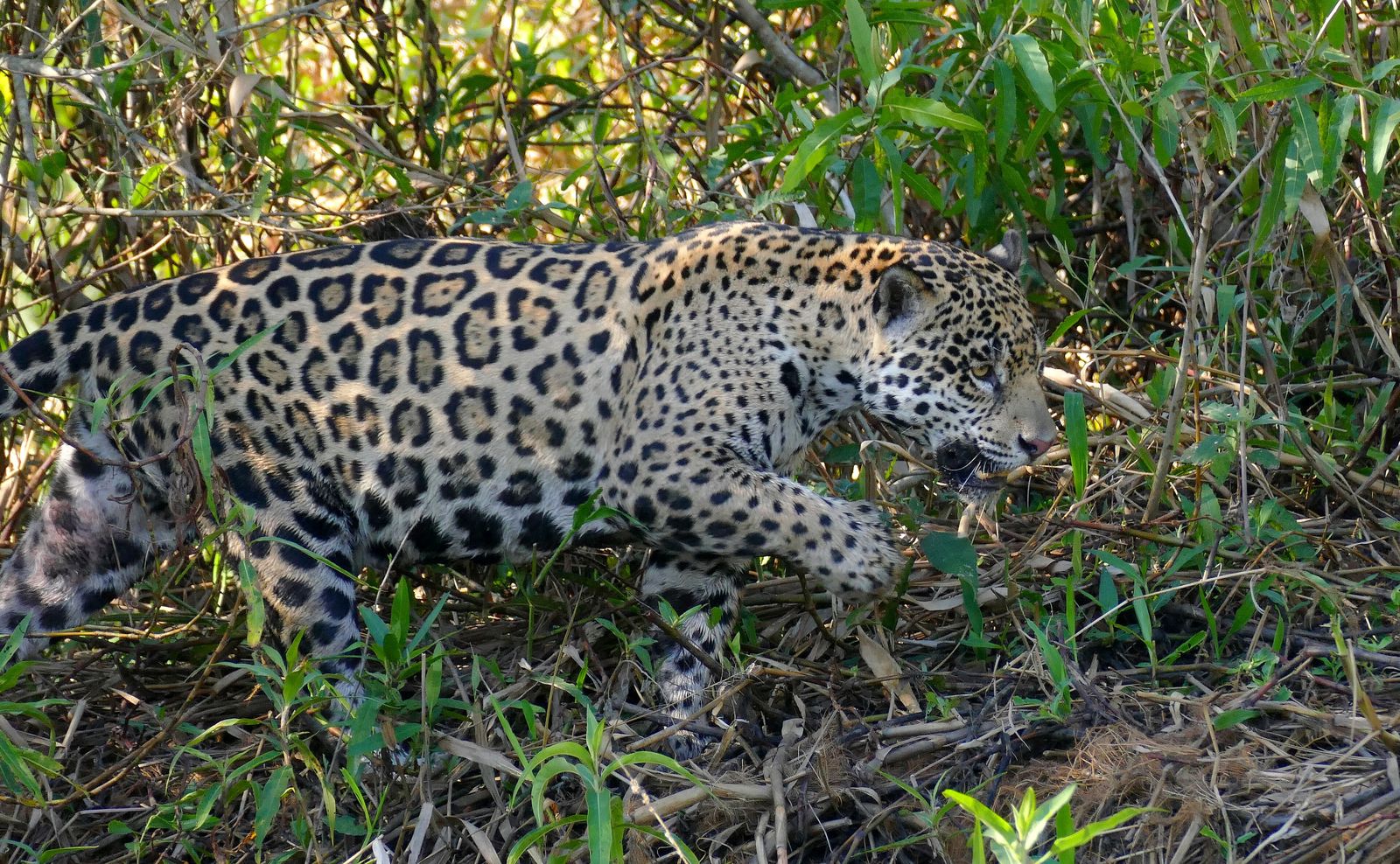
It's worth understanding why, because it explains every other entry on this list. The Pantanal is an open, seasonally flooded mosaic of wetland, grassland and gallery forest — not a closed rainforest canopy. In the dry season, from roughly June to October, the floodwaters retreat, wildlife concentrates around the shrinking rivers and lagoons, and the jaguars follow the prey to the water's edge. That combination — a cat that likes water, a landscape where you can actually see across open ground and along river banks, and a dry season that funnels everything toward a few visible corridors — is what turns the near-impossible into the near-guaranteed.
Rainforest offers none of that. Under a closed canopy, sightlines collapse to a few metres, the animals are dispersed rather than concentrated, and a solitary, camouflaged, largely nocturnal cat can pass within twenty metres of a trail and never be seen. This is the honest reason the great rainforest destinations — the Amazon especially — are poor places to actually lay eyes on a jaguar, however many of them are genuinely there. The forest that hides the jaguar so well from hunters hides it just as well from you.
The forest that protects the jaguar so completely is the same forest that keeps you from ever seeing it. Open water and a dry season are what change the odds.
The Amazon: real, but rare
Jaguars are present throughout the Amazon basin, and in some protected corners at healthy densities — but seeing one there is a genuine stroke of luck, not a plan. The most realistic Amazonian sightings come from boat-based trips along rivers and oxbow lakes, where, as in the Pantanal, the cats occasionally come to the banks and the water gives you the sightline the forest denies. Peru's Tambopata and Manu regions and the remote reaches of the Brazilian and Peruvian Amazon produce jaguar sightings every season, usually to travelers who were on the water a lot, stayed a while, and got lucky.
Set your expectations accordingly. A week in a good Amazon lodge might reward you with a jaguar on a riverbank at dawn, or — far more likely — with tracks in the mud, a distant roar at night, and the knowledge that one passed near your boat unseen. That's not a failure of the trip; the Amazon's rewards are the sheer density and variety of everything else, from monkeys and macaws to caiman and pink river dolphins. If the Amazon is where you're headed, go for the whole ecosystem and treat a jaguar as the rarest possible bonus, not the measure of success. Our guide to the best time to visit the Amazon and the Manaus and Anavilhanas guide both cover how to maximize river time, which is the single thing most correlated with a sighting there.
Central America and Mexico
North of the Amazon, a few strongholds keep the jaguar's story alive, and while none rival the Pantanal for sightings, several are meaningful for other reasons.
Belize: the world's first jaguar preserve
The Cockscomb Basin Wildlife Sanctuary in southern Belize holds a real place in conservation history as the world's first reserve established specifically to protect jaguars, set aside in the mid-1980s and formally declared a sanctuary in 1990. It protects a genuinely important population in dense tropical forest. The catch is the same one the whole rainforest presents: the cats are there, the forest is thick, and actual sightings are rare. What Cockscomb offers is the near-certainty of jaguar sign — tracks, scrapes, the occasional camera-trap image at the visitor center — and the meaningful experience of walking through forest a jaguar is genuinely using, even if it never shows itself. For most visitors that's the honest draw, alongside excellent birding and the sanctuary's waterfalls and trails.
Mexico: Calakmul and the Yucatán
The forests around Calakmul in the southern Yucatán protect one of Mexico's most significant jaguar populations, within a vast biosphere reserve that also happens to contain spectacular Maya ruins. As elsewhere in closed forest, sightings are uncommon and largely a matter of luck, but the density here is real and the region pairs jaguar country with archaeology in a way few places can. Our Mexico jungle travel guide covers the wider region for anyone building a trip around the Yucatán's forests.
Costa Rica and the long shot
Costa Rica has jaguars, and two places worth naming, but neither belongs on a list of reliable sightings — they belong on a list of the most extraordinary luck. Corcovado National Park on the Osa Peninsula holds the country's most intact lowland rainforest and a genuine jaguar population; a tiny number of visitors each year see one, and the rest come for the peninsula's staggering biodiversity and go home having seen nearly everything but. Tortuguero, on the Caribbean coast, has a rarer and stranger draw: jaguars there have learned to hunt sea turtles on the nesting beaches, a behavior researchers have documented in detail, though witnessing it is the province of the extraordinarily fortunate few.
The honest framing for Costa Rica is this: go for the sloths, the monkeys, the scarlet macaws and the sheer accessible richness of the place, all of which you're very likely to see, and hold any thought of a jaguar as the wildest of long shots. Our guides to where to see sloths and the monkeys of the rainforest are a far more realistic map of what a Costa Rican wildlife trip will actually deliver.
When to go
For the Pantanal — the answer that matters most — the season is clear: the dry season, roughly June through October, with the peak jaguar-watching months generally considered to run from July into early November, when the water has dropped, the prey has concentrated, and the cats are most reliably found along the rivers. The very start and end of that window trade slightly lower odds for fewer crowds and lower prices; the heart of it is when the boats find cats almost daily.
For the Amazon, river-based jaguar luck also tilts toward the drier months, when beaches and banks are exposed and boats can work the edges of the water, though the Amazon's seasons vary by region — our rainy season versus dry season guide breaks down why "dry" means different things in different basins. For Central America and Mexico, the dry season similarly makes forest travel easier and wildlife more active around water sources, though it changes the jaguar odds far less than it does in the open Pantanal. You can cross-check any destination against our month-by-month planner before you commit to dates.
Good to know
A jaguar sighting in the Pantanal is a multi-day proposition, not a day trip. Success rates that sound near-guaranteed are built on being out on the water morning and afternoon across three or four days, not a single afternoon's outing. Budget the time — most dedicated jaguar trips run four nights or more at Porto Jofre or along the Transpantaneira — and treat a same-day sighting as a bonus rather than the plan.
How to actually improve your odds
Choose the right destination
The single biggest factor is where you go, and it isn't close. A four-day Pantanal boat trip in the dry season and a four-day Amazon lodge stay are not two versions of the same jaguar trip — they're a likely sighting and a long shot, respectively. Decide first whether seeing a jaguar is the point of the trip or a hoped-for extra, and let that honest answer choose the destination, rather than hoping the Amazon will behave like the Pantanal because it's easier to reach.
Spend time on the water
Almost every reliable jaguar sighting anywhere in its range happens from a boat, because water gives you the sightlines closed forest takes away and because the cats themselves gravitate to river edges. More hours on the water, across more days, is the most direct lever you have on your odds — which is why serious jaguar trips are structured around long morning and afternoon boat outings rather than forest hikes.
Hire the right guide
In the Pantanal especially, experienced guides and boat operators radio each other about sightings and know the resident cats individually, which turns a needle-in-a-haystack search into a coordinated one. A good guide is the difference between drifting hopefully and being taken directly to a cat another boat has just found. This is not the place to economize on the cheapest operator.
Manage your own expectations everywhere else
Outside the Pantanal, the healthiest approach is to go for the whole ecosystem and let the jaguar be the rarest gift the forest can give. Travelers who stake a rainforest trip's success on a jaguar sighting usually come home disappointed; those who came for everything else come home thrilled, and occasionally with a jaguar story on top. Our honest look at whether the jungle is safe is also worth reading here, if the animal's fearsome reputation is part of what draws or worries you — the real risk picture is far calmer than the myth.
Seeing them responsibly
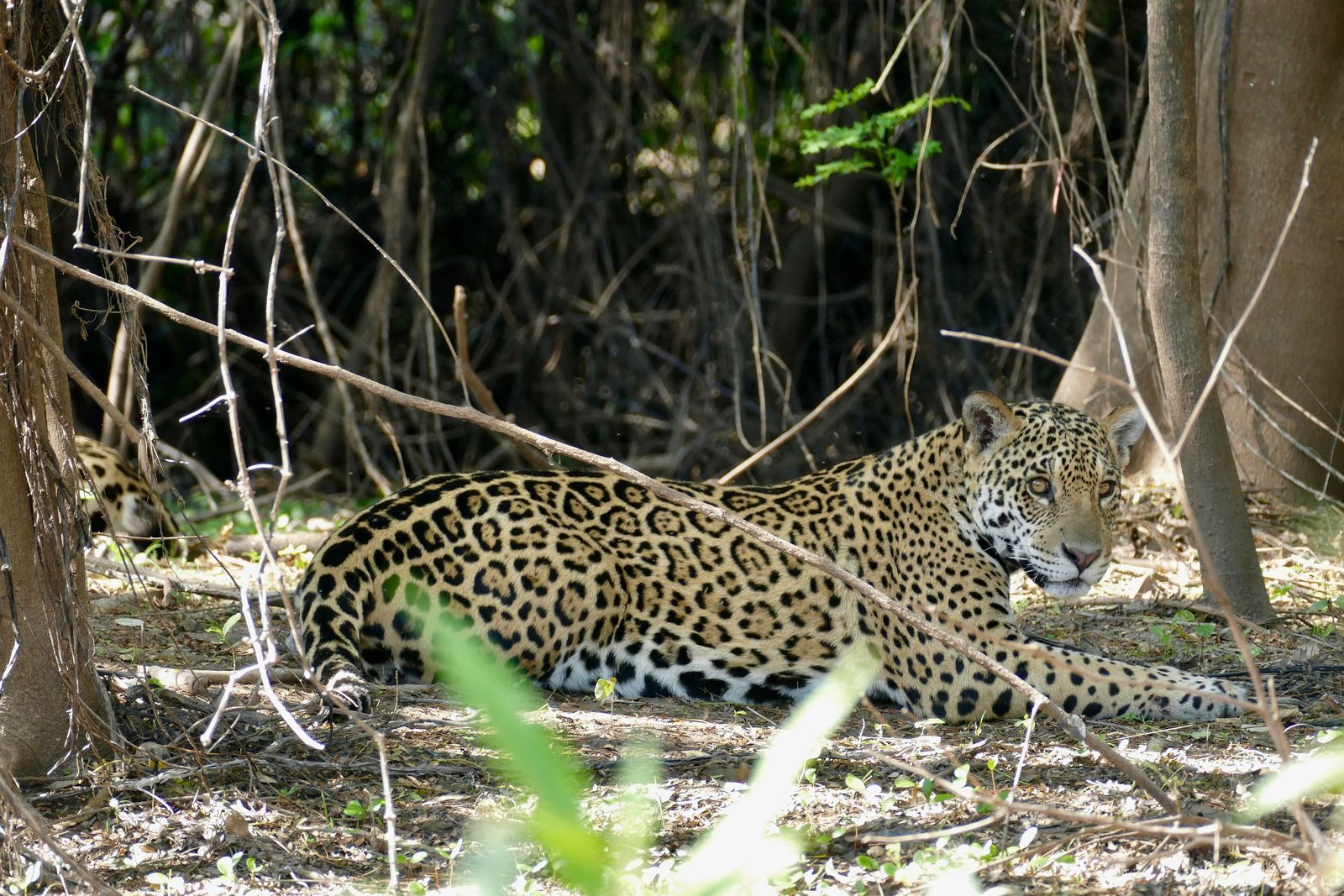
The jaguar's comeback as a wildlife-watching draw is, on balance, one of conservation's better recent stories: a living cat is now worth far more to the Pantanal's economy through tourism than a dead one ever was to a rancher protecting cattle, and that shift in the math is part of what's keeping the population healthy. But it only stays a good story if the watching is done well. That means keeping boats at a respectful distance, never baiting or crowding a cat for a better photograph, and choosing operators who follow — and enforce — sensible viewing guidelines rather than the ones who'll gun the engine to cut off a swimming jaguar for their guests.
The same principle applies in the forest reserves, where your visit's real value is the economic argument it makes for keeping the forest standing at all. Choosing conservation-minded lodges and guides, and reading our guide to sustainable jungle travel before you book, is how you make sure the trip is part of the reason there are still jaguars to see, rather than part of the pressure on them. The goal is a sighting the cat walks away from unbothered — which, as it happens, is also the kind that makes the best story.
Common questions
Where is the single best place in the world to see a wild jaguar?
The northern Pantanal in Brazil, specifically the rivers around Porto Jofre and the Meeting of Waters State Park, during the dry season. Nowhere else offers anything close to the same reliability — multi-day boat trips there routinely find jaguars, often hunting or swimming in full view, whereas rainforest destinations offer only rare, lucky glimpses.
Can I see a jaguar in the Amazon?
Yes, but rarely, and only as a matter of luck rather than a plan. Jaguars live throughout the Amazon, but the closed forest hides them almost completely; the best chance comes from spending a lot of time on rivers and oxbow lakes, where a cat may occasionally appear on a bank. Go to the Amazon for its overall density of wildlife and treat a jaguar as the rarest possible bonus.
Why are jaguars so much easier to see in the Pantanal than in the rainforest?
Because the Pantanal is open, seasonally flooded wetland rather than closed canopy. In the dry season the water retreats, prey concentrates around shrinking rivers, and the water-loving jaguars follow — all in a landscape where you can actually see across open ground and along banks. Rainforest offers dense cover, dispersed animals and sightlines of only a few metres, which hides the cat completely.
Are jaguars dangerous to humans?
Attacks on humans by wild jaguars are extremely rare. Like most big cats they generally avoid people, and the near-mythical fear around them far outstrips the actual risk to a traveler following a guide's instructions. The real danger runs the other way — human pressure on jaguars, through habitat loss and hunting, is why the species is classed as Near Threatened.
What's the difference between a jaguar and a leopard?
They're different species on different continents — jaguars in the Americas, leopards in Africa and Asia. Jaguars are stockier and more powerfully built, with a heavier head and a stronger bite, and their coat rosettes usually contain small spots inside them, which leopard rosettes lack. The "black panther" is a melanistic (all-dark) individual of either species, not a separate animal.
How many days should I budget for a jaguar-watching trip?
For the Pantanal, plan on at least three to four nights based at or near Porto Jofre, with boat outings each morning and afternoon. The high success rates depend on that cumulative time on the water; a single day's outing sharply lowers your odds. Elsewhere, no amount of time makes a sighting reliable, so budget days for the ecosystem as a whole rather than the cat alone.
Where to go from here
If a jaguar is genuinely the point, build the trip around the Pantanal's dry season and everything else will follow. If you're headed into true rainforest instead, go for the whole living ecosystem: our guides to rainforest monkeys, toucans and tropical birds and night walks in the rainforest map out what you're far more likely to actually see, and a night walk in particular is your best realistic shot at any of the forest's larger nocturnal animals. To choose a base, start with the full destination directory or browse jungle eco-lodges built for exactly this kind of wildlife-first trip.
- IUCN Red List — Panthera onca (Jaguar) — conservation status (Near Threatened), range contraction and threats.
- Panthera — Jaguar — biology, range, the Jaguar Corridor Initiative and the species' status across the Americas.
- WWF — Jaguar — habitat, behavior and the Pantanal's importance as a stronghold.
- UNESCO World Heritage — Pantanal Conservation Area — the wetland's ecology and seasonal flood dynamics.
- National Geographic — Jaguar facts — size ranking among big cats, bite strength and hunting behavior.
- Belize Audubon Society — Cockscomb Basin Wildlife Sanctuary — history as the world's first jaguar preserve.
More from the Journal.
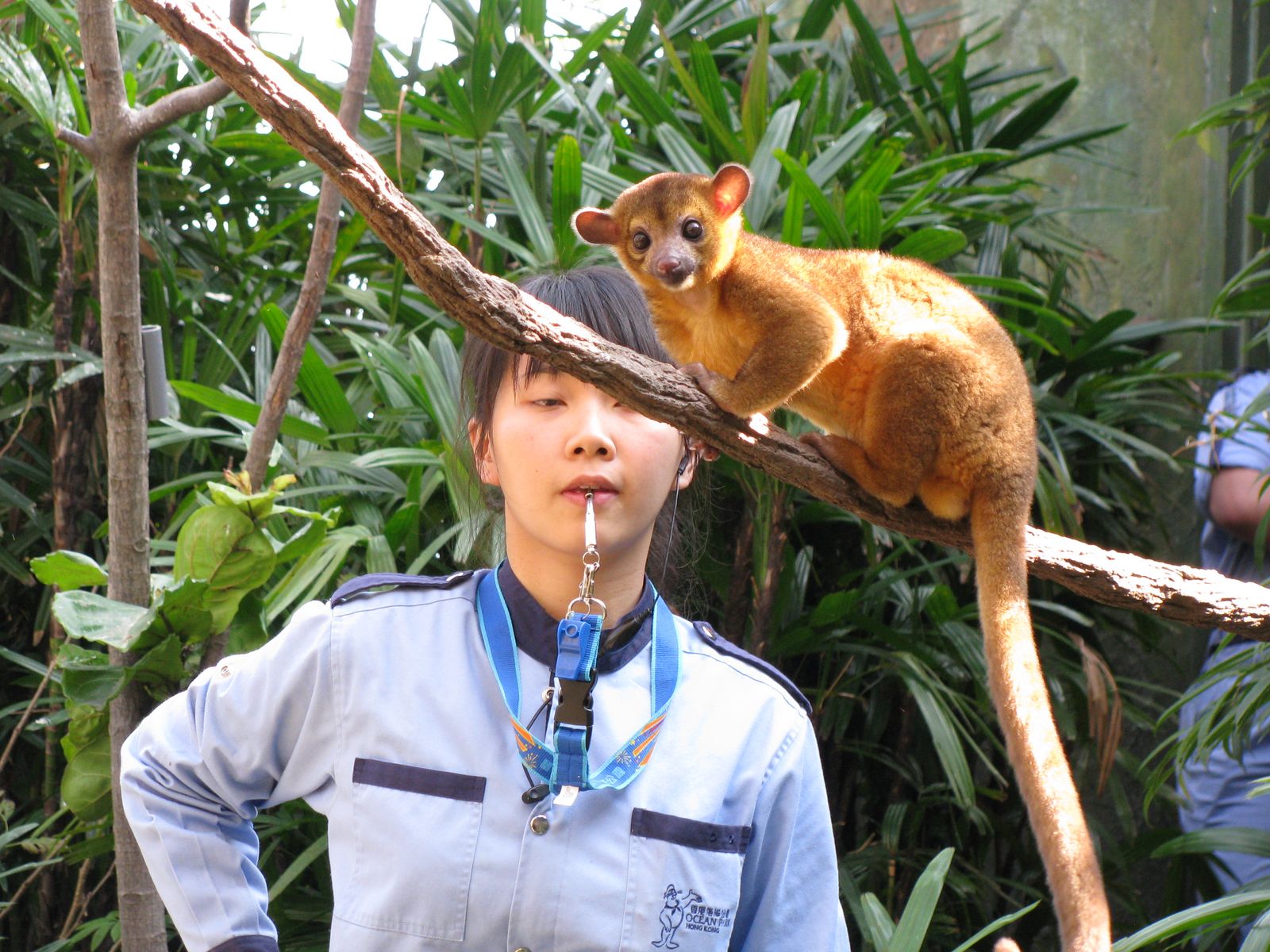 Photo: shankar s. from Dubai, united arab emirates, CC BY 2.0
Where to See Sloths in the Wild
The internet's favourite animal is real, wild and findable — where to reliably see sloths, how to spot them, and the stays that put you closest.
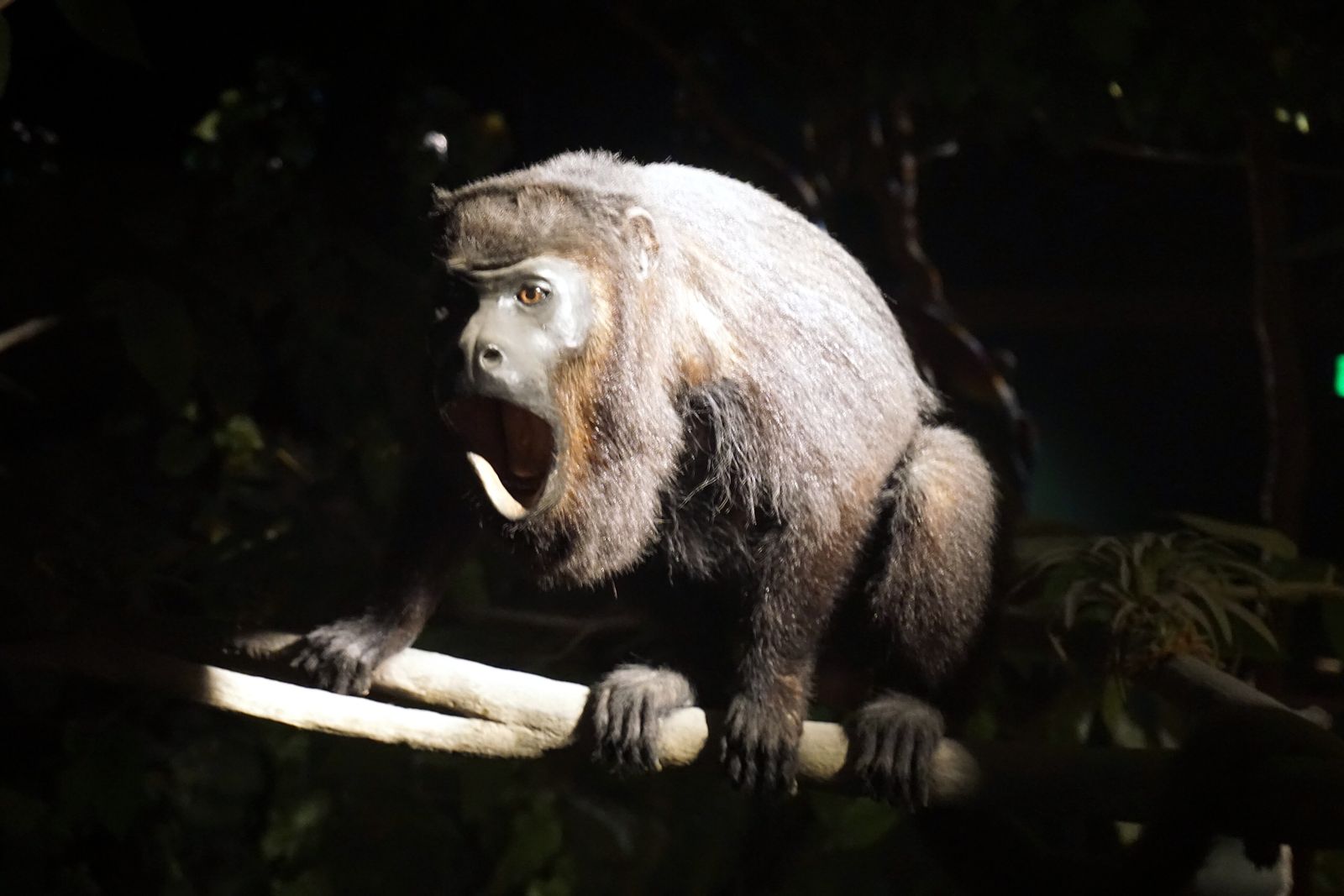 Photo: Michael Barera, CC BY-SA 4.0
The Monkeys of the Rainforest
Howlers waking you at dawn, capuchins raiding the deck — a field guide to the primates you will meet on a jungle stay, and where to meet which.
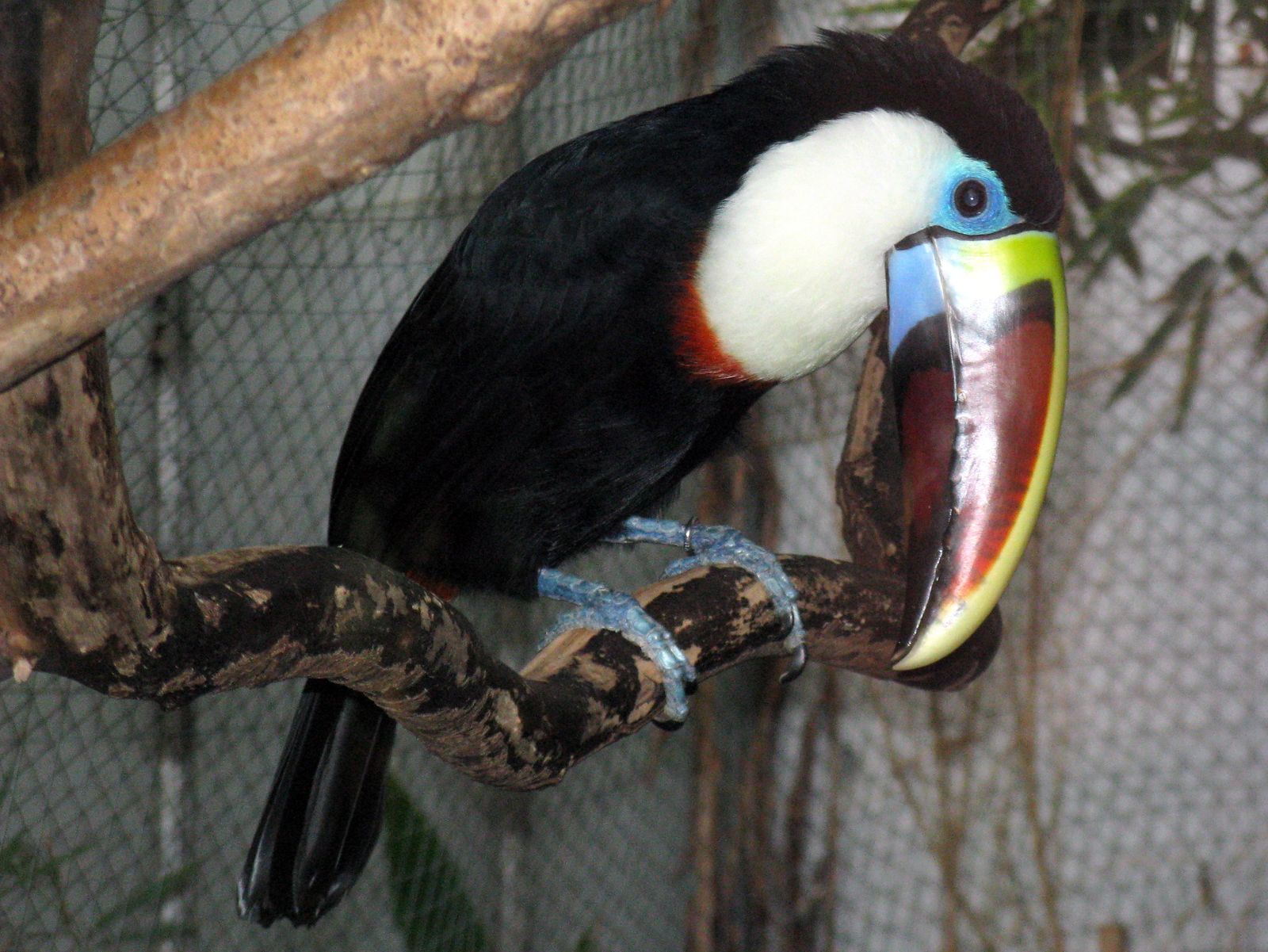 Photo: Charles Miller from Basingstoke, United Kingdom, CC BY 2.0
Toucans & the Tropical Birds You'll See
The rainforest is the richest bird habitat on earth. Toucans, macaws, quetzals and hummingbirds — what to look for, and the best places to look.
 Photo: Derek Ramsey (Ram-Man), CC BY-SA 4.0
Find your own piece of the canopy.
Treehouses, bamboo houses and rainforest villas across 17 destinations — found, vetted and written up honestly.
Browse all destinations